


💛 A quick favor, if you've got a second.
We're really happy that you chose to read one of our stories and sincerely hope you'll stick around to read more. We took our paywall down — for now — but that won't last forever, and when the gate goes back up, we'd love for you to already be on the inside.
It's free. So please enter your email here and don't forget to like and follow us on all of your favorite Social Media platforms!
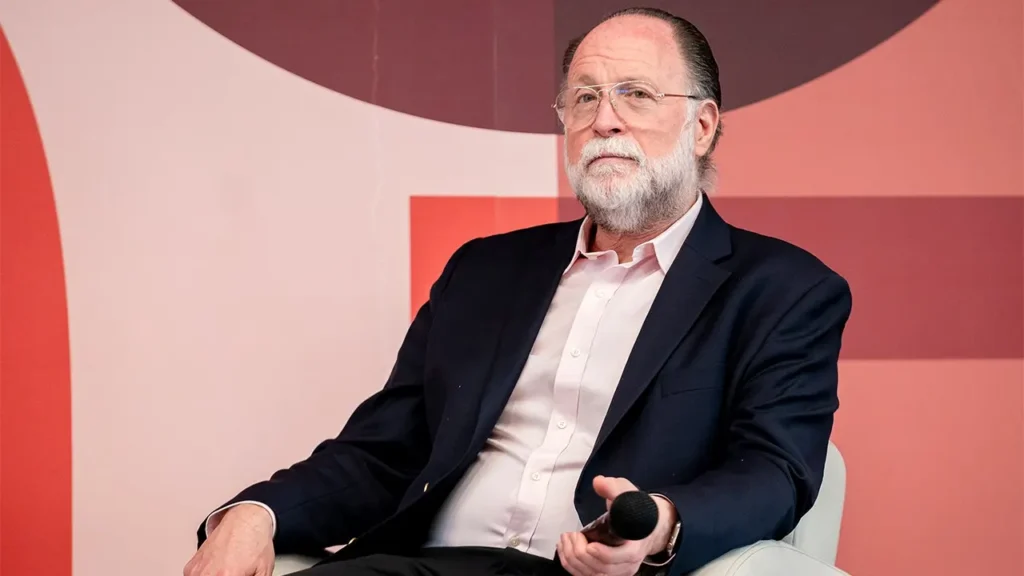
Harvard professor Ricardo Hausmann has come under fire after the Financial Times disclosed that artificial intelligence was employed to condense his opinion column prior to publication on August 13. The piece, titled “Trump is taxing the dark matter that pays America’s way,” examined the impact of recent U.S. tariff increases on the nation’s current account deficit. An editor’s note accompanying the article stated that the publication’s code of conduct explicitly prohibits AI use during the writing process.
The Financial Times indicated it would undertake a comprehensive editorial review of the column but declined further comment beyond the published note. Neither Harvard University nor Hausmann responded to requests for immediate comment on the matter. Hausmann, who directs the Harvard Growth Lab at the university’s John F. Kennedy School of Government, has not publicly addressed the disclosure.
The column argued that America’s 2025 current account deficit reached $1.18 trillion—essentially unchanged from the previous year—despite the most significant tariff increases in decades. Hausmann contended that tariffs cannot alter current account deficits, which he described as a function of savings and investment gaps rather than trade imbalances.
The revelation prompted swift reactions from media figures and academics online. Dartmouth political scientist Brendan Nyhan shared results from AI detection software indicating 71 percent of the text appeared machine-generated. Bloomberg journalist Joe Weisenthal expressed surprise at both the column’s composition and its acceptance by a major publication.
The incident underscores broader institutional challenges surrounding artificial intelligence in higher education. Harvard Senior Research Fellow Christopher Dede argued that universities are misdirecting their focus on preventing student AI misuse rather than preparing learners for an AI-saturated world, saying educational systems should emphasize skills that complement rather than compete with artificial intelligence.

More Stories
Trump Threatens FCC Action Against NBC’s Welker Over Endorsement Coverage
Trump Backs Christian-Led Initiative for Expedited U.S. Entry for Canadian Jews Facing Antisemitism
Trump Calls NASA to Congratulate Agency on Roman Space Telescope Launch