


💛 A quick favor, if you've got a second.
We're really happy that you chose to read one of our stories and sincerely hope you'll stick around to read more. We took our paywall down — for now — but that won't last forever, and when the gate goes back up, we'd love for you to already be on the inside.
It's free. So please enter your email here and don't forget to like and follow us on all of your favorite Social Media platforms!
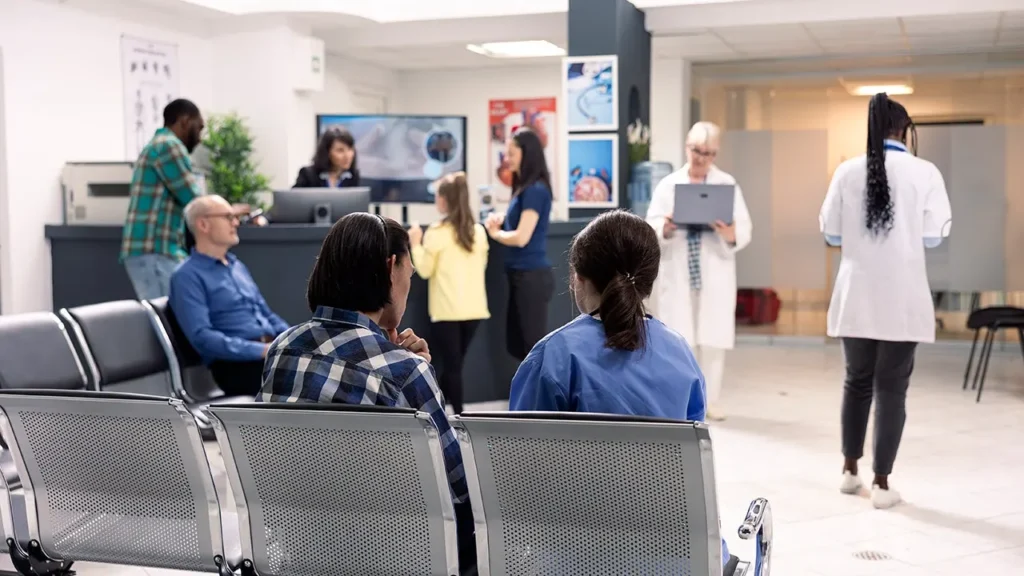
Cancer patients in the United States are waiting nearly two weeks longer to begin treatment than they did a decade ago, according to a comprehensive study published in JAMA Surgery. Researchers from UCLA and Massachusetts General Hospital examined national data spanning more than two million patients diagnosed between January 2012 and December 2023, tracking adults with early to locally advanced stages of six common cancers who received surgical intervention.
The analysis documented median wait times from diagnosis to initial treatment across breast, colon, lung, pancreatic, stomach and esophageal cancers, measuring delays whether surgery occurred first or followed pre-surgical therapy. All six cancer types showed increases exceeding 10 days, with stomach cancer experiencing the most dramatic rise—from 35 days to 49 days—followed by lung cancer, which grew from 41 to 53 days.
Breast cancer patients faced extended waits growing from 34 to 45 days, while colon cancer delays increased from 20 to 31 days. Pancreatic and esophageal cancers saw comparable increases, jumping from 23 to 32 days and 38 to 48 days respectively. The researchers also identified a growing population of patients waiting 60 days or longer before starting treatment.
Dr. Marc Siegel, senior medical analyst at Fox News, characterized the situation as a critical failure requiring immediate intervention. He noted that delays persist even at prestigious academic medical centers, calling the increasing wait times for non-metastatic cancer surgeries a systemic problem since 2012.
The burden of delays fell disproportionately on vulnerable populations, including Black patients, individuals enrolled in Medicaid, residents of lower-income areas and those requiring longer travel distances for care. Patients treated at academic and high-volume hospitals, along with those in western regions of the country, experienced longer waits, while robotic surgery adoption correlated with extended delays for non-breast cancers.
Previous medical research has established links between surgical treatment delays and elevated mortality rates, prompting concern among the study authors about long-term survival outcomes. Stanford School of Medicine physicians Lia Delaney and Sherry Wren warned in accompanying commentary that regional consolidation of cancer care may inadvertently create barriers to timely treatment unless capacity and coordination systems develop simultaneously.
The researchers acknowledged significant limitations in their analysis, noting that retrospective data from the National Cancer Database could not isolate specific reasons for individual delays—whether attributable to scheduling constraints, logistical barriers or patient preferences. The database also lacked information about symptom onset or initial medical consultation prior to formal diagnosis.

More Stories
Federal voting arrest in New Jersey adds new pressure point in Sherrill-Trump standoff
Colombia backs Trump security push while limiting U.S. role in anti-gang operations
Former NFL cheerleader and ex-aide face off in close Rhode Island GOP primary