


💛 A quick favor, if you've got a second.
We're really happy that you chose to read one of our stories and sincerely hope you'll stick around to read more. We took our paywall down — for now — but that won't last forever, and when the gate goes back up, we'd love for you to already be on the inside.
It's free. So please enter your email here and don't forget to like and follow us on all of your favorite Social Media platforms!
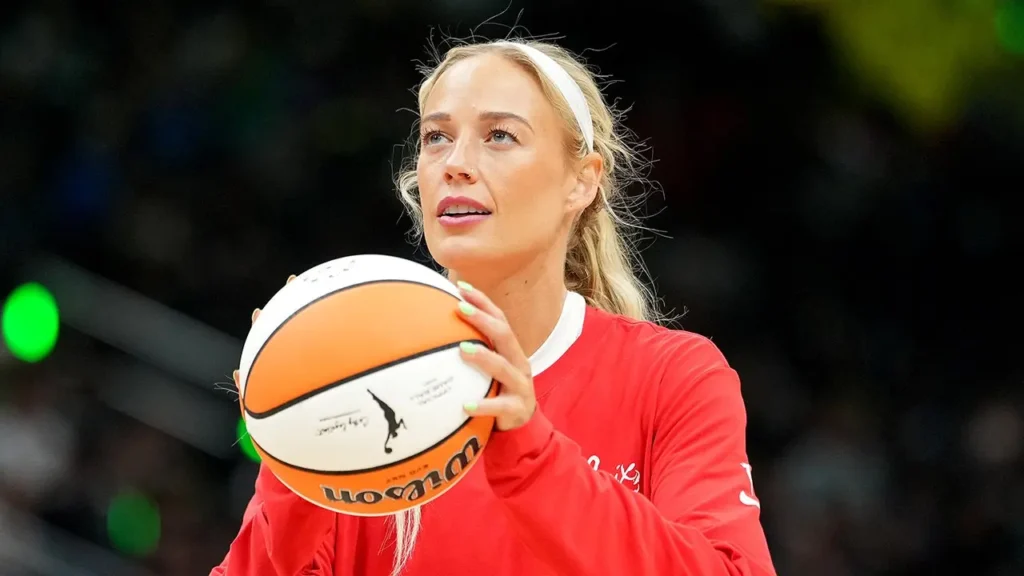
Sophie Cunningham voiced concerns about the fairness of women’s sports eligibility, following decades of messaging that encouraged women to trust their instincts and speak openly. Yet her public comments on the subject triggered swift backlash, raising questions about whether women genuinely feel empowered to express views on competitive opportunities in their own athletic sphere.
Women’s sports divisions exist fundamentally because biological differences significantly impact athletic performance and competition. The creation of separate female categories, along with corresponding teams, records, scholarships and championships, was intentional policy designed to create equitable opportunities. Athletic competition inherently involves difficult allocation decisions—roster spots, scholarships and medals go to some athletes while others are excluded.
Cunningham’s position aligns with mainstream policy across the nation. More than two dozen states have implemented restrictions on transgender participation in girls’ and women’s sports, and the Supreme Court upheld biological-sex-based eligibility rules in Idaho and West Virginia in June. Her views reflect established law in much of the country, yet public discussion remains contentious.
Private conversations among women reveal nuance absent from public discourse. Many women express support for transgender dignity and respect while simultaneously questioning whether biological differences should cease mattering in competitive eligibility determinations. This gap between private views and public silence illustrates how social consequences discourage candid discussion.
Self-censorship operates through anticipated consequences rather than formal prohibition. Observing others face criticism, ridicule or social penalties for expressing unpopular opinions teaches people to evaluate speech risk before speaking publicly. Young women, particularly, absorb these signals about which viewpoints invite approval versus criticism.
Feminism historically challenged expectations that women suppress their perspectives for others’ comfort. Yet some women now navigate pressure to remain silent specifically when discussing women’s sports and competitive fairness. This dynamic contradicts decades of progress toward female empowerment and authentic voice.
Disagreement among women on transgender athletes is legitimate and inevitable. Women advocating for inclusive policies should voice those positions forcefully, as should women supporting sex-based eligibility categories. Respect for transgender people need not require women to deny genuine competing interests or suppress substantive questions about fairness in women’s athletics.
Cunningham maintained her position despite criticism, demonstrating willingness to engage honestly in contested terrain. Whether audiences agree with her analysis, her example reveals how backlash against women’s speech on this topic discourages others from contributing to public deliberation about their own sports.

More Stories
Indiana coach Curt Cignetti tells restless Hoosiers fans not to gripe over 38-0 win
Packers Running Back Josh Jacobs Placed on Commissioner Exempt List Pending Misdemeanor Charges
Denver Broncos Linebacker Jonathon Cooper Placed on Commissioner’s Exempt List Amid Domestic Violence Charges