


💛 A quick favor, if you've got a second.
We're really happy that you chose to read one of our stories and sincerely hope you'll stick around to read more. We took our paywall down — for now — but that won't last forever, and when the gate goes back up, we'd love for you to already be on the inside.
It's free. So please enter your email here and don't forget to like and follow us on all of your favorite Social Media platforms!
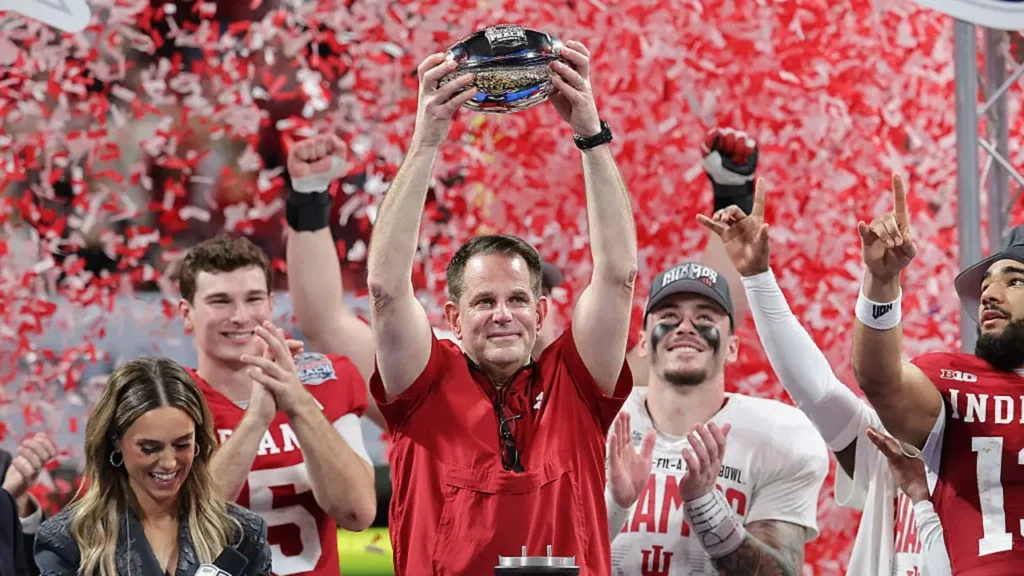
The release of the preseason AP Poll typically stirs considerable debate among college football fans, with many believing their favorite programs deserve higher rankings. For those frustrated by perceived slights to their teams, recent history offers encouraging evidence that early rankings prove far from determinative. Several championship-winning programs have overcome being ranked outside the top 10 in preseason polls to capture national titles over the past quarter-century.
Indiana’s 2024 national championship team provides the most recent example of this phenomenon. The Hoosiers arrived at the season with modest preseason expectations given questions about roster depth and an unproven coaching staff under second-year head coach Curt Cignetti. Yet Indiana not only returned to the College Football Playoff but won the championship while facing a significantly more difficult schedule than the previous season, with quarterback Fernando Mendoza emerging as a Heisman Trophy winner and top overall NFL Draft pick.
The 2013 Florida State Seminoles, ranked 11th in the preseason, captured the final BCS championship despite significant personnel losses from their prior season, which included an ACC Championship and Orange Bowl victory. Head coach Jimbo Fisher’s recruitment filled gaps left by departures to the NFL, while redshirt freshman Jameis Winston developed into a Heisman Trophy winner. The Seminoles ran through the ACC without mercy, defeating all four ranked conference opponents by a combined score of 200-35 en route to the program’s third national title.
Oklahoma’s 2000 championship team shared striking parallels with Indiana’s recent success, as both programs were led by second-year head coaches and ranked just outside the preseason top 10. The Sooners compiled a perfect 13-0 record under Bob Stoops despite skepticism following a 7-5 campaign the year prior. Oklahoma defeated Florida State for the national championship, with the offense showcasing its prowess by scoring 63 points against rival Texas.
Ohio State’s 2002 national championship team emerged from similar circumstances, with second-year coach Jim Tressel building a powerhouse defense that held conference opponents to 17 points or fewer. The Buckeyes, who struggled the previous season, defeated top-ranked Michigan by a score of 14-9 and upset heavily favored Miami in a double-overtime national championship game in the desert, toppling a program many historians regard as one of the sport’s greatest.
Auburn’s 2010 championship team perhaps best exemplifies the unpredictability of preseason rankings. Coach Gene Chizik, widely criticized upon his arrival following a 5-19 record at Iowa State, guided the Tigers to a perfect 14-0 season fueled almost entirely by quarterback Cam Newton’s remarkable performance. Newton captured the Heisman Trophy while leading Auburn to victories over six ranked opponents, with the Tigers leading the SEC in scoring offense despite lacking other skill position players who would play in the NFL, highlighting Newton’s singular impact on the championship run.

More Stories
Indiana coach Curt Cignetti tells restless Hoosiers fans not to gripe over 38-0 win
Packers Running Back Josh Jacobs Placed on Commissioner Exempt List Pending Misdemeanor Charges
Denver Broncos Linebacker Jonathon Cooper Placed on Commissioner’s Exempt List Amid Domestic Violence Charges