


💛 A quick favor, if you've got a second.
We're really happy that you chose to read one of our stories and sincerely hope you'll stick around to read more. We took our paywall down — for now — but that won't last forever, and when the gate goes back up, we'd love for you to already be on the inside.
It's free. So please enter your email here and don't forget to like and follow us on all of your favorite Social Media platforms!
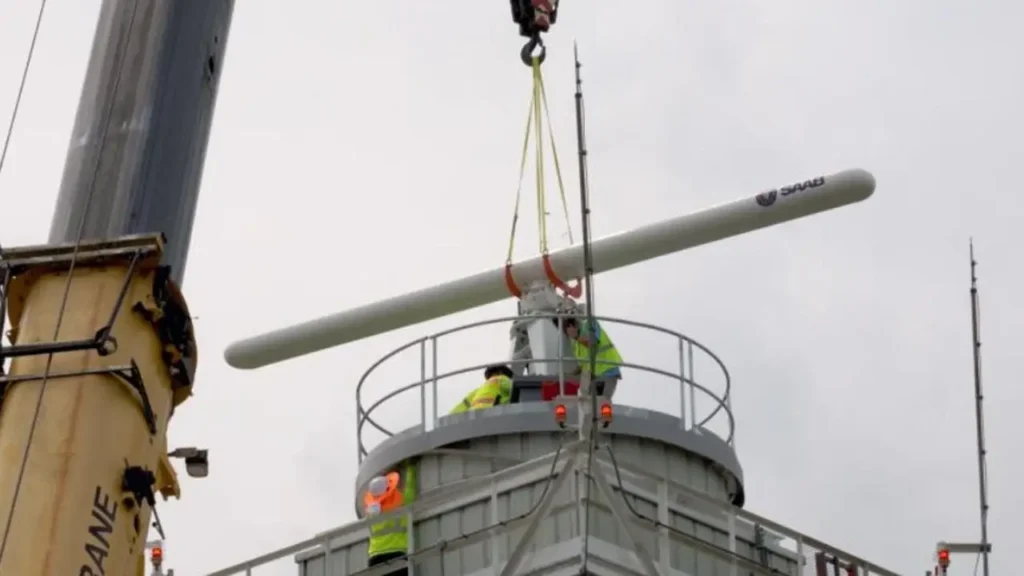
Ronald Reagan Washington National Airport has activated a Surface Movement Radar system, known as SMR-4, following a catastrophic midair collision in January 2025 that claimed 67 lives due to cascading safety failures. Transportation Secretary Sean Duffy announced the installation Friday, emphasizing the technology’s ability to enhance controller visibility of aircraft and ground vehicles across runways and taxiways regardless of weather conditions or limited sight lines.
The new radar provides air traffic controllers with substantially improved situational awareness of all airport activity, according to Duffy. Reagan National is the fifth airport nationally to receive the system, with Newark Liberty International Airport adopting the technology earlier this week.
The January 29, 2025 collision involved American Airlines Flight 5342, a regional jet operated by PSA Airlines, and a U.S. Army Black Hawk helicopter that collided over the Potomac River near the airport. All 64 passengers and crew aboard the American Eagle flight and all three military personnel aboard the helicopter perished in the crash.
A comprehensive year-long investigation by the National Transportation Safety Board concluded that systemic failures in airspace design, Federal Aviation Administration oversight, and Army risk management created conditions for the tragedy long before the collision occurred. The federal government has accepted liability for the incident.
Reagan National will receive $30.5 million over three years for safety and technology improvements, the Transportation Department announced.

More Stories
Federal voting arrest in New Jersey adds new pressure point in Sherrill-Trump standoff
Colombia backs Trump security push while limiting U.S. role in anti-gang operations
Former NFL cheerleader and ex-aide face off in close Rhode Island GOP primary