

💛 A quick favor, if you've got a second.
We're really happy that you chose to read one of our stories and sincerely hope you'll stick around to read more. We took our paywall down — for now — but that won't last forever, and when the gate goes back up, we'd love for you to already be on the inside.
It's free. So please enter your email here and don't forget to like and follow us on all of your favorite Social Media platforms!
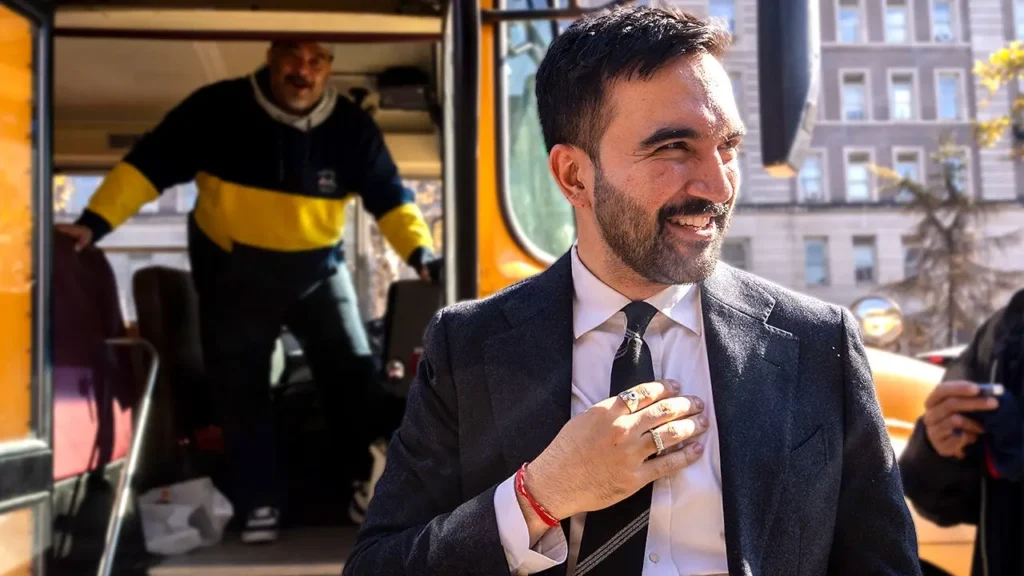
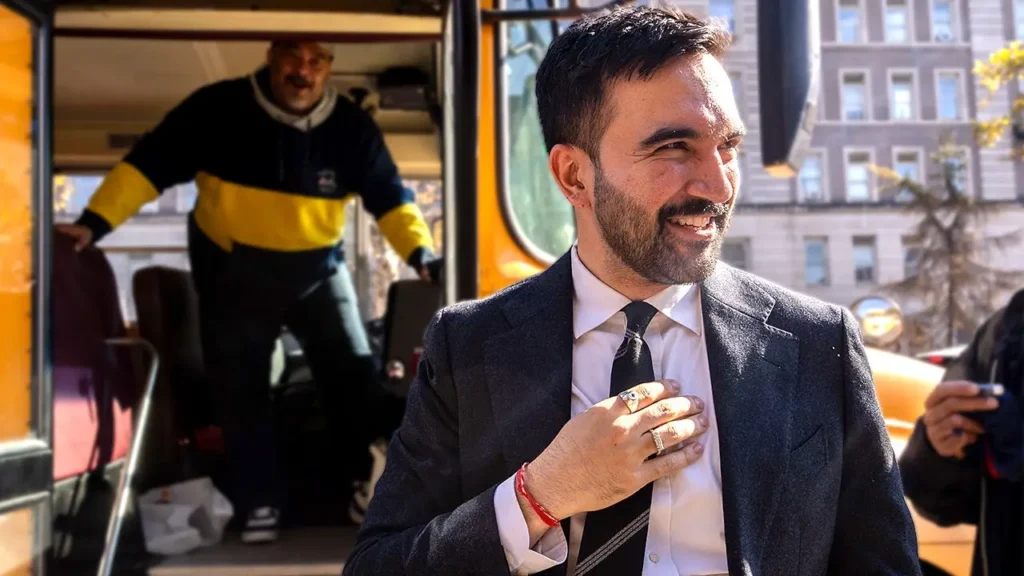
New York City’s Metropolitan Transportation Authority is grappling with a significant rise in fare evasion that officials attribute partly to political rhetoric surrounding free bus service. MTA Chairman Janno Lieber told reporters in July that campaign messaging promoting free transit has driven the troubling trend, though he did not directly name Mayor Zohran Mamdani. The agency estimates that nearly half of all bus riders now avoid paying the $3 fare.
Paid ridership on city buses dropped nearly 8 percent in June compared to the prior year, according to MTA data. During Mamdani’s first six months in office, bus fare revenue declined by $31 million relative to the opening half of 2025. The financial impact has become increasingly acute as the transit system faces mounting fiscal pressures.
Mamdani made “fast and free buses” a cornerstone of his 2025 mayoral campaign, despite the MTA being controlled by Democratic Governor Kathy Hochul and state government rather than City Hall. In early July, the mayor and Hochul announced a pivot toward accelerating bus service rather than eliminating fares. Nonetheless, transit experts and union officials contend that the earlier campaign messaging has already reshaped rider behavior.
John V. Chiarello, president of Transport Workers Union Local 100 representing over 40,000 transit workers, described current fare evasion as the worst his drivers have encountered. He recalled that buses operated free during the COVID-19 pandemic, then noted the MTA had worked to restore fare-paying habits before they resurged recently. Chiarello rejected the notion that fare evaders are predominantly low-income, observing that well-dressed commuters routinely board without payment.
MTA officials and union leaders have called on higher-earning riders to pay their fares rather than shift costs to other taxpayers. Lieber specifically addressed office workers with substantial incomes, urging them to recognize their responsibility to the system. The union has instructed drivers not to confront fare evaders due to past violent incidents.
Nicole Gelinas, a senior fellow at the Manhattan Institute focused on urban policy, outlined the fiscal stakes of eliminating bus fares entirely. The Independent Budget Office has estimated that free buses would cost the MTA approximately $1.1 billion annually in foregone revenue. The agency is already projecting a $300 million budget shortfall for the coming year, making the loss of such substantial fare income untenable without alternative funding sources.
Gelinas also identified a psychological dynamic at work, wherein paying passengers who observe fare evasion become increasingly likely to stop paying themselves. She warned that the system risks reaching a tipping point where paying riders subsidize non-payers at unsustainable rates. Mamdani has previously justified his fare-free proposal by pointing to affordability pressures facing city residents, though his office did not respond to requests for additional comment.
More Stories
Colombia backs Trump security push while limiting U.S. role in anti-gang operations
Chicago Mayor Issues Executive Order Requiring Contractor Diversity Disclosures and ICE Ties Reporting
University of Pennsylvania Climate Scientist Demands Supreme Court Packing Pledge From Democratic Candidates