

💛 A quick favor, if you've got a second.
We're really happy that you chose to read one of our stories and sincerely hope you'll stick around to read more. We took our paywall down — for now — but that won't last forever, and when the gate goes back up, we'd love for you to already be on the inside.
It's free. So please enter your email here and don't forget to like and follow us on all of your favorite Social Media platforms!
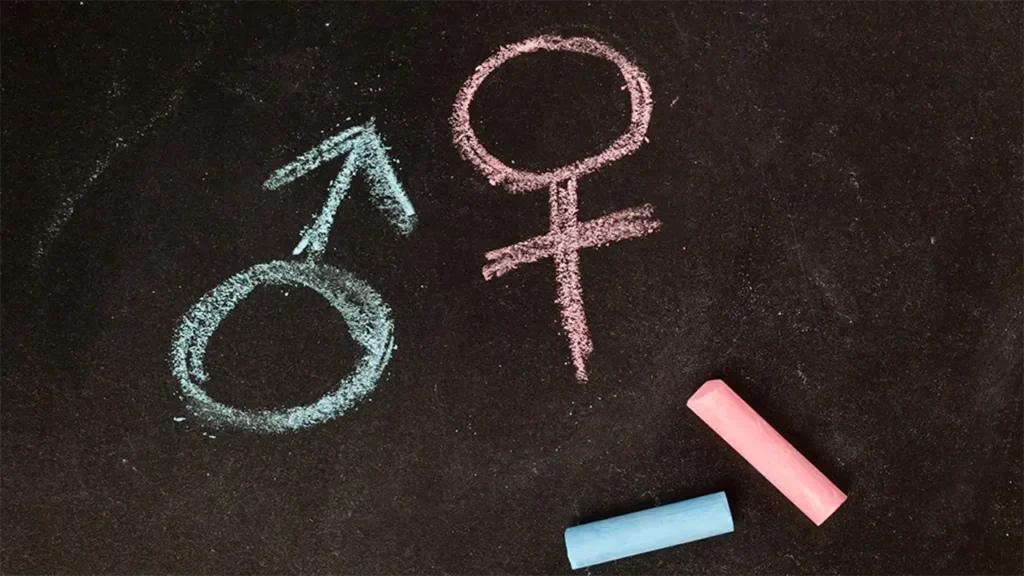
A Department of Health and Human Services report released Thursday features accounts from three people who say they were encouraged by medical professionals to pursue gender transition when they were teenagers. The report, titled “Wolves in White Coats: How Doctors and Hospitals Pushed and Profited from the Fraud of ‘Gender Medicine,'” examines cases involving Clementine Breen, Soren Aldaco and Luke Healy, alleging that financial incentives may have driven hospitals and doctors to recommend medical interventions and highlighting insurance billing practices warranting scrutiny.
Breen was 12 years old and dealing with puberty and unresolved trauma from sexual abuse when exposed to gender transition information online. According to the HHS report, physicians at Children’s Hospital Los Angeles told Breen’s parents the child was “100% trans” and faced elevated suicide risk without medical treatment. Breen received puberty blockers at age 12, testosterone at 13, and underwent a double mastectomy at 14.
After mental health declined, Breen discontinued testosterone at 18 following therapy that connected gender-related distress to earlier trauma, the report states. The individual later faced scrutiny and reduced provider responsiveness when seeking breast reconstruction, contrasting sharply with minimal questioning during the initial mastectomy procedure. Breen, now a theater student at UCLA, reported ongoing physical consequences from the treatments and questioned how informed consent could be obtained regarding fertility and breastfeeding loss.
Aldaco experienced gender-related distress during adolescence, with online communities presenting transition as the solution, according to the report. A doctor prescribed testosterone, and multiple specialists treated Aldaco for gender dysphoria without discussing alternative approaches outside what the report describes as a “sex rejection” model. Following a double mastectomy, Aldaco developed severe complications causing significant pain, yet providers did not reassess the treatment plan or provide adequate post-intervention support.
Healy discovered transgender identity discussions online at age 10 and identified as a girl by age 13. After consulting with counseling services, institutional providers quickly affirmed the new identity, though Healy’s parents declined to consent to puberty blockers or hormones during his minor years. At 18, Healy pursued estrogen and surgical consultations but grew skeptical when treatments failed to alleviate psychological distress.
Healy described experiencing escalating pressure for additional procedures, with one surgeon quoting approximately $200,000 for facial feminization surgery and another employing what he characterized as aggressive sales tactics for a tracheal shave. Eventually questioning whether he was receiving psychological support or being sold procedures, Healy redirected his focus toward addressing substance abuse problems developed during the transition process. The HHS report suggests Healy recognized similar destructive patterns between gender ideology and his prior addiction struggles.
More Stories
Federal voting arrest in New Jersey adds new pressure point in Sherrill-Trump standoff
Colombia backs Trump security push while limiting U.S. role in anti-gang operations
Former NFL cheerleader and ex-aide face off in close Rhode Island GOP primary