


💛 A quick favor, if you've got a second.
We're really happy that you chose to read one of our stories and sincerely hope you'll stick around to read more. We took our paywall down — for now — but that won't last forever, and when the gate goes back up, we'd love for you to already be on the inside.
It's free. So please enter your email here and don't forget to like and follow us on all of your favorite Social Media platforms!
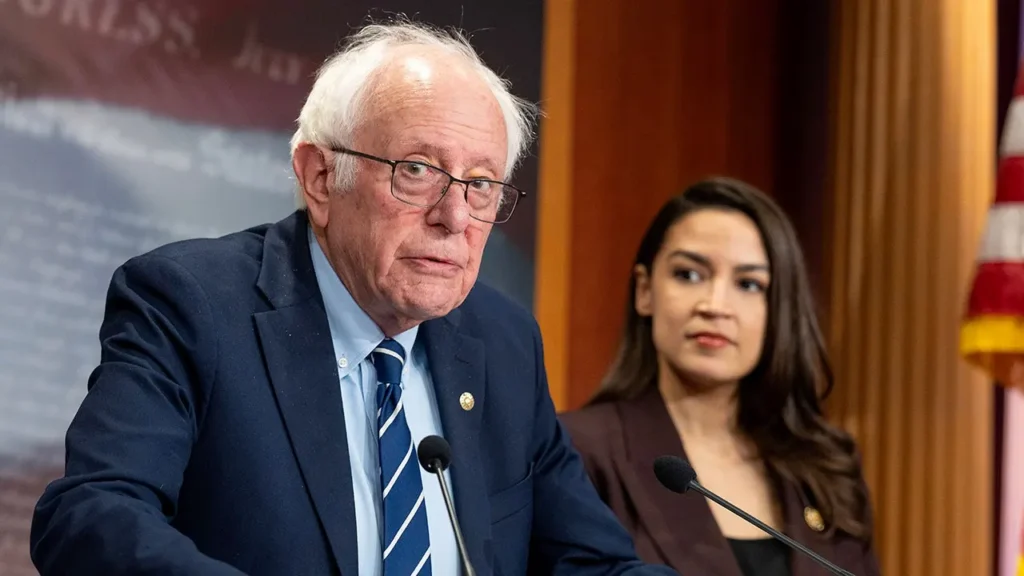
Democratic leaders including Sen. Bernie Sanders have sounded alarms about artificial intelligence’s threat to employment, calling for government action to prevent mass job displacement. Sanders warned at an April press conference that policymakers must plan for potential widespread unemployment rather than simply allowing workers to suffer consequences.
The U.S. labor market has painted a different picture since AI chatbots emerged in late 2022. According to the Bureau of Labor Statistics, the nation has continued adding jobs consistently while unemployment has remained at historically low levels, creating a disconnect between Democratic predictions and actual economic performance.
Richard Stern, an economist at Advancing American Freedom, attributes this gap to a fundamental ideological divide. He argues the debate reflects competing philosophies on free markets versus government planning, as well as different conceptions about human purpose and value creation in the economy.
Stern points to historical precedent, noting that technological breakthroughs have repeatedly eliminated certain jobs while creating opportunities for workers to transition into new fields. The Jacquard loom of the 1820s, which automated pattern replication, exemplifies how innovation redirects rather than eliminates labor.
Despite job growth, some Democrats cite research suggesting AI exposure has reduced employment for younger workers in specific sectors. Sen. Sanders referenced a Stanford paper documenting a 16% decline in jobs for younger workers in computer programming and customer service roles.
Rep. Greg Casar, chairman of the Congressional Progressive Caucus, argued the government has failed to address AI’s workforce impact. He criticized a Trump-backed proposal seeking a 10-year moratorium on state AI regulation, which was ultimately removed from legislation.
Trump administration officials countered Democratic concerns, with former deputy chief of staff Taylor Budowich asserting that AI will enhance worker productivity and employability rather than cause displacement. The dispute underscores a fundamental disagreement about whether markets or government intervention better serves workers.

More Stories
Colombia backs Trump security push while limiting U.S. role in anti-gang operations
Chicago Mayor Issues Executive Order Requiring Contractor Diversity Disclosures and ICE Ties Reporting
University of Pennsylvania Climate Scientist Demands Supreme Court Packing Pledge From Democratic Candidates