


💛 A quick favor, if you've got a second.
We're really happy that you chose to read one of our stories and sincerely hope you'll stick around to read more. We took our paywall down — for now — but that won't last forever, and when the gate goes back up, we'd love for you to already be on the inside.
It's free. So please enter your email here and don't forget to like and follow us on all of your favorite Social Media platforms!
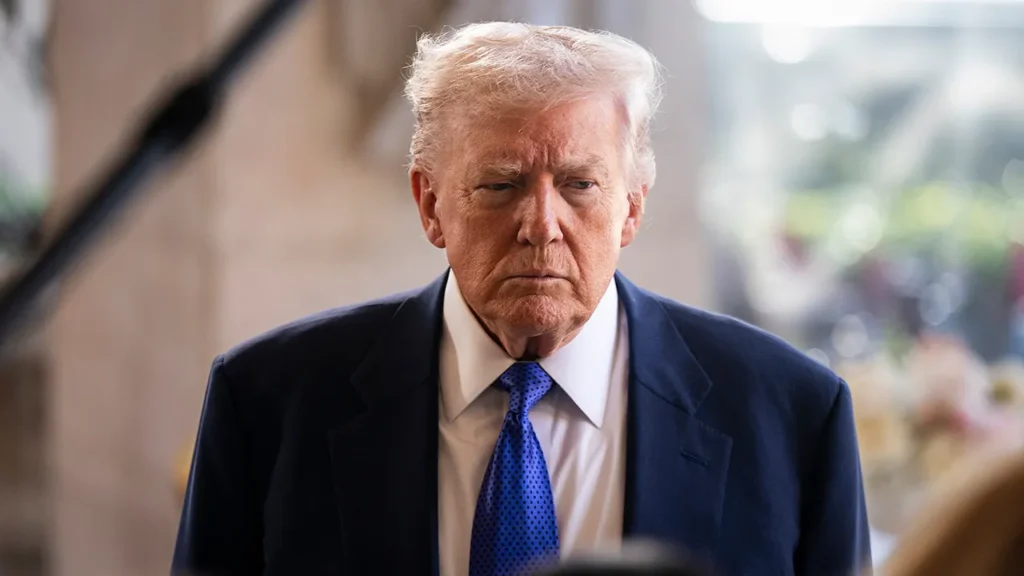
President Donald Trump on Monday issued a sweeping demand for Iran to compensate Americans killed or wounded in attacks originating from Tehran, while simultaneously rejecting Iranian requests for war reparations. The president instructed his negotiating team to incorporate these compensation demands into all future diplomatic discussions with Iran, according to statements made at the White House.
Trump’s position emerged after senior Iranian officials, including Mohammad Bagher Zolghadr, secretary of Iran’s Supreme National Security Council, called for Washington to pay reparations as a condition for reopening the Strait of Hormuz. The Iranian demands included an end to U.S. military operations, sanctions relief, and the release of frozen assets.
The president characterized Iran’s compensation request as “an interesting idea” before laying out his own demands spanning five decades. Trump called for payments covering Americans killed by Iranian roadside bombs, attacks attributed to General Soleimani, casualties aboard the USS Cole, and combat deaths. He also demanded compensation for families of protesters killed by the Iranian regime over the past 50 years, citing 52,000 deaths in the preceding five months alone.
Trump extended his reparations framework beyond direct U.S.-Iran conflicts, stating Iran should be held accountable for “damages and death caused to the people of Lebanon, Syria, Yemen, and Gaza.” He reiterated his position during an executive order signing, telling reporters that if damages must be paid, Iran should bear that responsibility.
Iran’s Supreme National Security Council said the Strait of Hormuz would remain closed until the United States corrected its conduct. On Aug. 8, Iranian Foreign Minister Abbas Araqchi stated Iran and Oman were “very close” to establishing an alternative shipping route, though conditions including compensation for alleged U.S. violations of an accord remained under discussion.
When pressed about whether Tehran retained negotiating opportunities, Trump declined to provide specifics, telling reporters they would “find out.” He previously stated the United States was “only semi-negotiating” with Iran and did not rule out military action, including potential decapitation strikes.



More Stories
Colombia backs Trump security push while limiting U.S. role in anti-gang operations
Trump Threatens FCC Action Against NBC’s Welker Over Endorsement Coverage
Chicago Mayor Issues Executive Order Requiring Contractor Diversity Disclosures and ICE Ties Reporting