



💛 A quick favor, if you've got a second.
We're really happy that you chose to read one of our stories and sincerely hope you'll stick around to read more. We took our paywall down — for now — but that won't last forever, and when the gate goes back up, we'd love for you to already be on the inside.
It's free. So please enter your email here and don't forget to like and follow us on all of your favorite Social Media platforms!
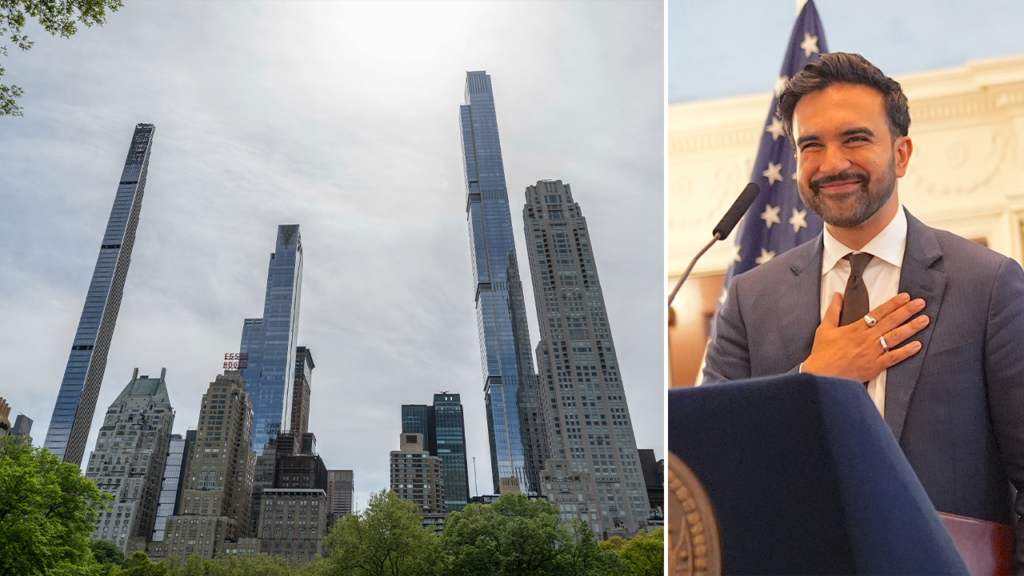
A New York state judge issued a temporary restraining order Monday that halts implementation of Mayor Zohran Mamdani’s contentious surcharge on luxury second homes, compelling City Hall to remove a publicly accessible database listing the names, addresses and property valuations of more than 900,000 New York City residents. Judge Wayne Ozzi’s decision also prohibits the city from enforcing collection deadlines, assessing fees or sending additional notices to homeowners identified on the supplemental property roll until the city completes individualized determinations as required by state law.
The ruling stemmed from a lawsuit filed by three homeowners challenging how the Mamdani administration executed the tax rather than its underlying legality. Attorney Randy Mastro, representing the plaintiffs, argued the city failed to determine which properties actually qualified as non-primary residences before releasing the database and mailing notices. He contended the administration improperly shifted the burden to homeowners to prove their primary residence status, when city officials should have conducted this review initially using available information.
Mastro criticized the city’s rollout as fundamentally flawed, telling the court the administration “screwed this up” and “got it wrong,” and characterized the publication of homeowner information as effectively doxxing residents. One plaintiff, Simon Hedley, eventually received an exemption after submitting tax documentation, which Mastro used to demonstrate the city could have conducted such determinations itself rather than inundating homeowners with notices.
The city defended its approach through attorney Steven Banks, arguing that freezing the process would harm taxpayers seeking exemptions and disrupt administrative deadlines. Banks characterized the implementation as lawful, though the hearing became contentious as the two attorneys clashed over terminology and the administration’s execution of the tax initiative.
Judge Ozzi found that the notices caused irreparable harm and that homeowners were likely to succeed on the merits based on the city’s procedural missteps. While acknowledging he could not undo notices already sent, Ozzi stated he could prevent further errors and criticized the city for failing to exercise adequate due diligence before implementation.
The Mamdani administration vowed to appeal the decision immediately, with spokesman Matt Rauschenbach asserting confidence in both the surcharge’s legality and the city’s ability to implement it effectively. Rauschenbach emphasized the tax targets only those owning second homes valued above $5 million and would fund public safety, education and city services.
Mayor Mamdani took a combative stance before the ruling, quipping that “death, taxes and Randy Mastro filing a lawsuit” were certainties in New York City. The mayor maintained the surcharge affects only approximately 17,000 of the city’s 8.5 million residents and noted the administration’s extension of an exemption deadline.
The case moves forward expeditiously, with the defense required to submit its response by August 24, plaintiff replies due August 27, and oral arguments on the merits scheduled for August 31.



More Stories
Federal voting arrest in New Jersey adds new pressure point in Sherrill-Trump standoff
Colombia backs Trump security push while limiting U.S. role in anti-gang operations
Former NFL cheerleader and ex-aide face off in close Rhode Island GOP primary