


💛 A quick favor, if you've got a second.
We're really happy that you chose to read one of our stories and sincerely hope you'll stick around to read more. We took our paywall down — for now — but that won't last forever, and when the gate goes back up, we'd love for you to already be on the inside.
It's free. So please enter your email here and don't forget to like and follow us on all of your favorite Social Media platforms!
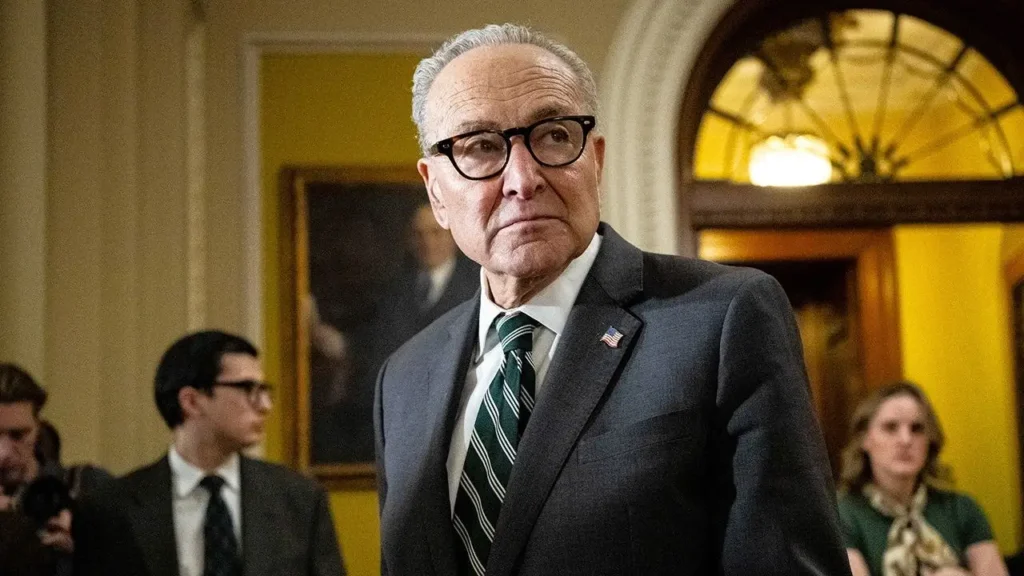
The Senate moved forward Saturday with legislation preventing a government shutdown, concluding months of political brinkmanship between the two chambers. Senate Minority Leader Chuck Schumer of New York and the Democratic caucus accepted the agreement they had previously negotiated with Republicans, ensuring federal operations would continue well beyond Election Day into December.
Senate Majority Leader John Thune of South Dakota attributed the Democratic concession to political calculation, suggesting the party wanted to avoid spending three months defending criticism about triggering a shutdown. Thune told Fox News Digital that Democrats appeared concerned about polling implications during the election season and viewed government closure as creating uncertainty harmful to their electoral prospects.
Schumer claimed the outcome as a victory on the Senate floor, contending that Democrats had maintained their commitment to keeping government open and secured concessions regarding a Trump administration rule change affecting federal grants within the bipartisan continuing resolution. He emphasized that the funding measure provided necessary time for lawmakers to negotiate a comprehensive budget addressing affordability for working families.
Republicans have argued for months that Democrats would willingly shut down government operations, leading to Senate proposals requiring lawmakers to forfeit paychecks during any closure. Previous shutdowns lasted 43 and 76 days respectively, though Thune suggested the current political environment did not favor Democratic leverage in funding negotiations.
The House still faces its own shutdown debate, though passage of the Senate measure would extend the lame-duck negotiating period into the post-election landscape. Senator John Kennedy of Louisiana expressed skepticism about completing a full budget by the December 11 deadline, calling the prospect extremely unlikely.

More Stories
Colombia backs Trump security push while limiting U.S. role in anti-gang operations
Chicago Mayor Issues Executive Order Requiring Contractor Diversity Disclosures and ICE Ties Reporting
University of Pennsylvania Climate Scientist Demands Supreme Court Packing Pledge From Democratic Candidates