


💛 A quick favor, if you've got a second.
We're really happy that you chose to read one of our stories and sincerely hope you'll stick around to read more. We took our paywall down — for now — but that won't last forever, and when the gate goes back up, we'd love for you to already be on the inside.
It's free. So please enter your email here and don't forget to like and follow us on all of your favorite Social Media platforms!
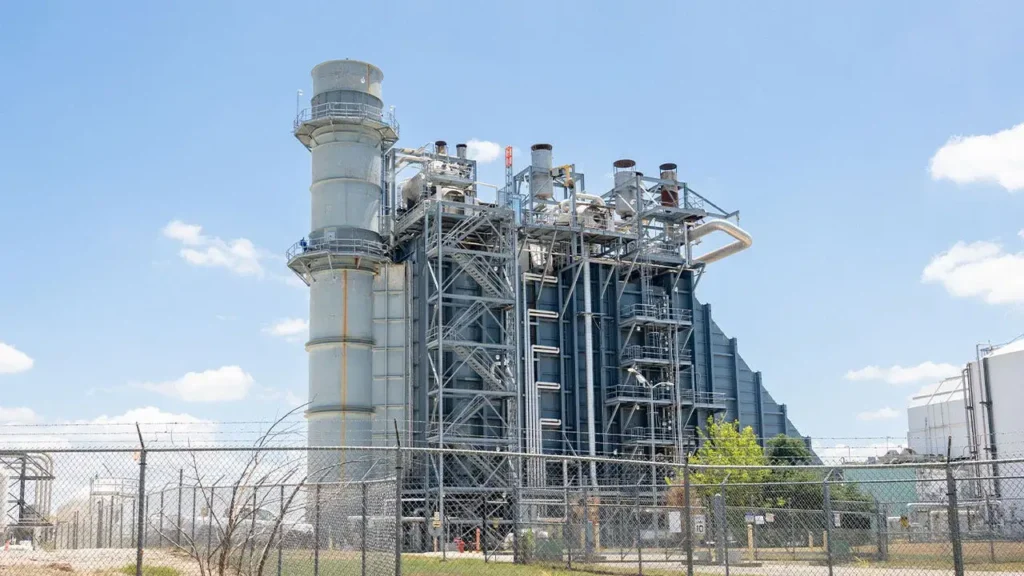
The U.S. electricity sector spent two decades operating under a fundamental miscalculation. From 2010 to 2020, national consumption barely budged, declining roughly 1% as LED technology, efficient motors and stricter appliance standards neutralized the power demands of new construction and industrial expansion. Industry planners treated this plateau as permanent rather than temporary, reshaping their strategies around indefinite stagnation.
When demand remains flat, rational business decisions become destructive. Utilities, transformer manufacturers and steel producers abandoned apprenticeship programs, eliminated specialized expertise from payrolls and stopped recruiting young talent into sectors they viewed as permanently mature. The skilled workforce aged without replacement, and the pipeline of future workers evaporated entirely.
Since 2020, the electricity market has reversed abruptly. Consumption has climbed approximately 7% over the past four years, and demand for large power transformers—the critical equipment through which nearly all American electricity flows—has surged 116% since 2019. Data center expansion, domestic manufacturing reshoring and grid reinforcement initiatives collided simultaneously with an industry wholly unprepared for growth.
The consequences are severe and immediate. Approximately 80% of large power transformers installed in the United States are now imported. Grain-oriented electrical steel, the essential material at the core of every transformer, has only one domestic producer. Standard transformer lead times have stretched to roughly 30 months, with larger units requiring even longer delivery schedules. Prices have climbed more than 77% since 2019.
The existing transformer fleet presents another critical vulnerability. The average unit currently operating is 38 years old, and more than 70% of the entire fleet has exceeded 25 years in service. The nation faces the dual challenge of replacing aging equipment while simultaneously expanding capacity for unprecedented demand.
The hardware shortage, however significant, pales beside the human shortage. No university in America currently offers training in large power transformer design or manufacturing. The few remaining power-engineering programs that survived the last two decades have shrunk further as students pursued software and artificial intelligence careers instead. Approximately half the utility workforce is now over 45 years old, with substantial numbers eligible for retirement within the decade.
The specialized knowledge required—coil winding, core design, high-voltage testing—exists almost entirely in the minds of experienced workers who learned through decades on factory floors. These skills were rarely documented and cannot be quickly taught or expedited. Building a new transformer factory requires two years; developing a master winder requires far longer, and no recruitment pathway exists.
Closing the capability gap will require at least two decades under the most optimistic scenarios, assuming demand cooperates. Every forecast indicates electrical load will climb steadily through 2050. The nation must treat electricity as a growth industry again, establishing apprenticeships, issuing long-term demand signals to justify new manufacturing lines and rebuilding a domestic materials base resilient enough to withstand supply disruptions.
Capital investment must flow toward electrical infrastructure capacity, not merely toward the data centers and industries that will consume that power. Most critically, policymakers must discard the assumption that sustained neglect of physical infrastructure remains acceptable as long as existing systems function. Two decades of disinvestment based on that miscalculation have now produced a bill due in full.



More Stories
Colombia backs Trump security push while limiting U.S. role in anti-gang operations
Chicago Mayor Issues Executive Order Requiring Contractor Diversity Disclosures and ICE Ties Reporting
University of Pennsylvania Climate Scientist Demands Supreme Court Packing Pledge From Democratic Candidates