


💛 A quick favor, if you've got a second.
We're really happy that you chose to read one of our stories and sincerely hope you'll stick around to read more. We took our paywall down — for now — but that won't last forever, and when the gate goes back up, we'd love for you to already be on the inside.
It's free. So please enter your email here and don't forget to like and follow us on all of your favorite Social Media platforms!
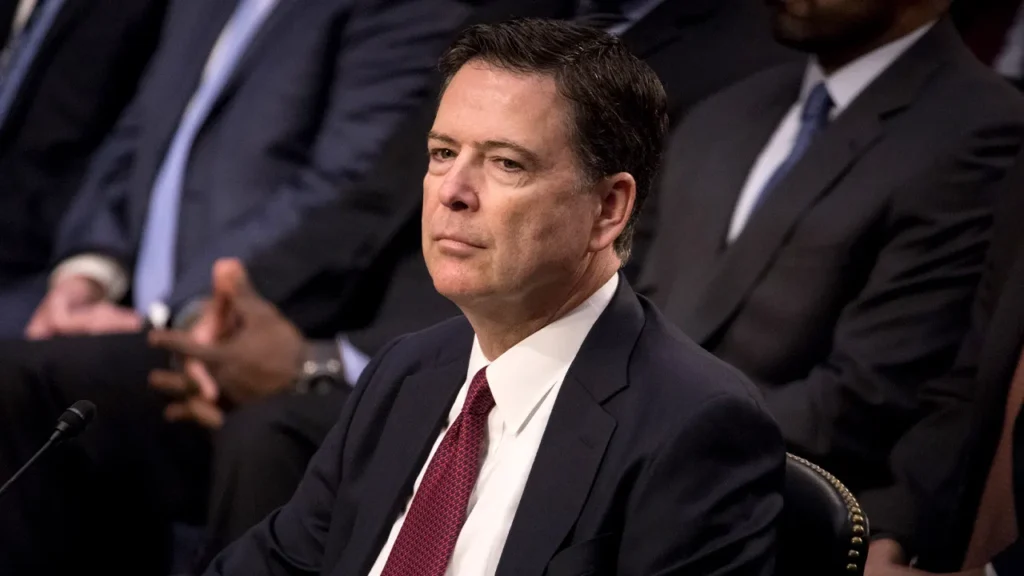
The White House on Wednesday released declassified documents detailing a 2017 FBI counterintelligence investigation that examined potential connections between President Donald Trump and Russia following his dismissal of FBI Director James Comey. The probe, identified by the codename “Oxferd Comma,” was initiated after Trump fired Comey in May 2017, according to the released materials. The spelling deviation in the operation’s name has sparked speculation that it may have been deliberately altered to complicate searches through Freedom of Information Act requests.
An FBI memo dated May 16, 2017, outlined investigators’ intent to determine whether Trump was “directed by, controlled by, and/or coordinated activities with, the Russian Federation in a manner constituting a threat to the national security of the United States and/or a violation of federal criminal statutes.” The investigation also examined whether Trump or associates had obstructed or attempted to obstruct a separate FBI inquiry. The probe drew from information gathered during Crossfire Hurricane, the broader counterintelligence investigation into potential coordination between Trump’s 2016 campaign and Russian government efforts to interfere in the election.
The investigation considered multiple factors, including Trump’s interactions with Comey, the administration’s evolving justifications for the dismissal, campaign discussions regarding the Republican platform’s stance on Ukraine assistance, and Trump’s business dealings and real estate holdings in Russia. Trump initially attributed Comey’s termination to his handling of the Hillary Clinton email investigation but subsequently indicated the Russia probe had influenced his decision. The FBI memo suggested circumstances surrounding Comey’s removal could reasonably support the conclusion that the bureau’s counterintelligence inquiry factored into Trump’s determination.
Special counsel Robert Mueller, appointed in 2017 to investigate Russian election interference, concluded in 2019 that his investigation did not establish coordination between the Trump campaign and Russia and declined to make a prosecutorial judgment regarding obstruction. The inquiry’s opening did not signify that underlying suspicions had been substantiated, officials noted. Attorney General William Barr appointed John Durham in 2019 to examine the origins and handling of the FBI’s Russia investigation, with Durham’s 2023 report concluding the FBI had insufficient evidentiary support for opening the full Crossfire Hurricane investigation.
A 2019 Justice Department inspector general review reached a different conclusion, determining that the FBI possessed adequate information under its standards to initiate Crossfire Hurricane, though the review identified significant errors and omissions in surveillance applications targeting former Trump campaign adviser Carter Page. The White House released the documents through its newly established Government Transparency Task Force.



More Stories
Colombia backs Trump security push while limiting U.S. role in anti-gang operations
Trump Threatens FCC Action Against NBC’s Welker Over Endorsement Coverage
Chicago Mayor Issues Executive Order Requiring Contractor Diversity Disclosures and ICE Ties Reporting