




💛 A quick favor, if you've got a second.
We're really happy that you chose to read one of our stories and sincerely hope you'll stick around to read more. We took our paywall down — for now — but that won't last forever, and when the gate goes back up, we'd love for you to already be on the inside.
It's free. So please enter your email here and don't forget to like and follow us on all of your favorite Social Media platforms!
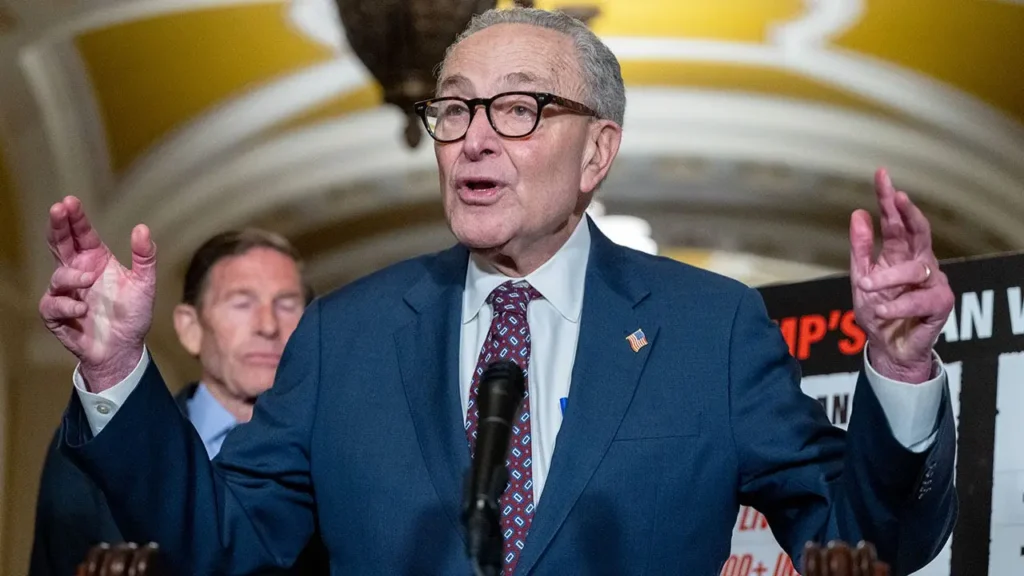
The Senate moved forward with a crucial procedural vote Wednesday on legislation designed to prevent a government shutdown, with the chamber advancing a continuing resolution with unanimous support. The action signals both parties want to avoid federal funding lapses heading into the midterm elections, marking a significant shift from shutdown brinkmanship that characterized recent fiscal negotiations. The measure still requires a final vote and presidential signature to become law.
Senate Democrats, led by Minority Leader Chuck Schumer of New York, characterized the spending bill as a major win for their party. Schumer argued the continuing resolution, negotiated by top appropriators from both parties, successfully blocked the Trump administration’s efforts to withhold federal grants from Democratic-leaning states, describing the situation as fundamentally unfair where identical projects receive different treatment based on political geography.
Republicans contested the Democratic claim of victory, with Sen. John Kennedy of Louisiana suggesting Schumer misunderstood the compromise. Kennedy stated that while the continuing resolution delays implementation of the Office of Management and Budget’s grant rules until December 11, the Trump administration plans to reissue those regulations once the stopgap funding expires, meaning the outcome amounts to a temporary pause rather than a permanent defeat.
The continuing resolution’s passage reflects ongoing tension between the White House’s push for greater control over federal grant distribution and Democratic concerns about politicizing the allocation process. If signed into law, the measure will prevent the OMB rule change from taking effect until mid-December.



More Stories
Colombia backs Trump security push while limiting U.S. role in anti-gang operations
Chicago Mayor Issues Executive Order Requiring Contractor Diversity Disclosures and ICE Ties Reporting
University of Pennsylvania Climate Scientist Demands Supreme Court Packing Pledge From Democratic Candidates