

💛 A quick favor, if you've got a second.
We're really happy that you chose to read one of our stories and sincerely hope you'll stick around to read more. We took our paywall down — for now — but that won't last forever, and when the gate goes back up, we'd love for you to already be on the inside.
It's free. So please enter your email here and don't forget to like and follow us on all of your favorite Social Media platforms!
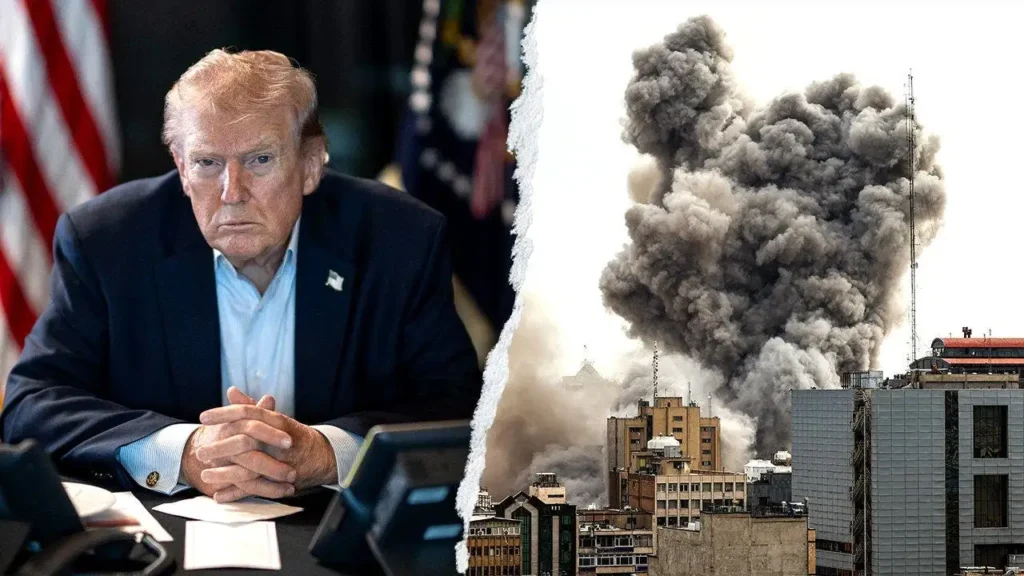
President Donald Trump has issued a stark warning to Iran that time is running out to reach a negotiated settlement, claiming that diplomatic channels persuaded him to cancel a large-scale military strike. The Iranian government, however, has publicly disputed Trump’s characterization of ongoing negotiations, creating confusion about whether substantive talks are actually taking place between the two nations.
Trump said he shelved plans for what would have been the largest American military operation since World War II based on assurances from Iran and allied Middle Eastern nations requesting additional time to finalize an agreement. The proposed deal would involve reopening the Strait of Hormuz to commercial shipping and addressing Iran’s nuclear weapons program. Iran’s Foreign Ministry spokesman Esmail Baghaei rejected these claims, stating that Tehran is neither engaged in talks with the United States nor expecting an American delegation to visit.
Ali Vaez, deputy program director for the Middle East at the International Crisis Group, noted that while formal negotiations between officials are not occurring, some form of engagement continues indirectly. Trump has proposed a two-phase approach: first reopening the Strait, then moving to nuclear disarmament discussions. Iran has not publicly committed to either phase of this framework.
A June ceasefire agreement between the nations quickly unraveled when disputes erupted over shipping arrangements through the Strait. The United States accused Iran of firing on commercial vessels, prompting American strikes in early July. Iran denied responsibility and accused Washington of attempting to impose new shipping protocols unilaterally. The conflict has since devolved into repeated cycles of brief calm followed by renewed fighting, with Iranian missile attacks on U.S. forces in Jordan occurring just days after the most recent pause.
Jonathan Schanzer, executive director of the Foundation for Defense of Democracies, characterized the conflict as a “ceasefire war” marked by intermittent military clashes. Regional pressure from Saudi Arabia and other Gulf allies has complicated Trump’s position, as these nations fear further Iranian retaliation against their territories. Without a breakthrough on the shipping question, negotiations over Iran’s nuclear capability appear unlikely to advance in the near term.

More Stories
Federal voting arrest in New Jersey adds new pressure point in Sherrill-Trump standoff
Colombia backs Trump security push while limiting U.S. role in anti-gang operations
Former NFL cheerleader and ex-aide face off in close Rhode Island GOP primary