




💛 A quick favor, if you've got a second.
We're really happy that you chose to read one of our stories and sincerely hope you'll stick around to read more. We took our paywall down — for now — but that won't last forever, and when the gate goes back up, we'd love for you to already be on the inside.
It's free. So please enter your email here and don't forget to like and follow us on all of your favorite Social Media platforms!
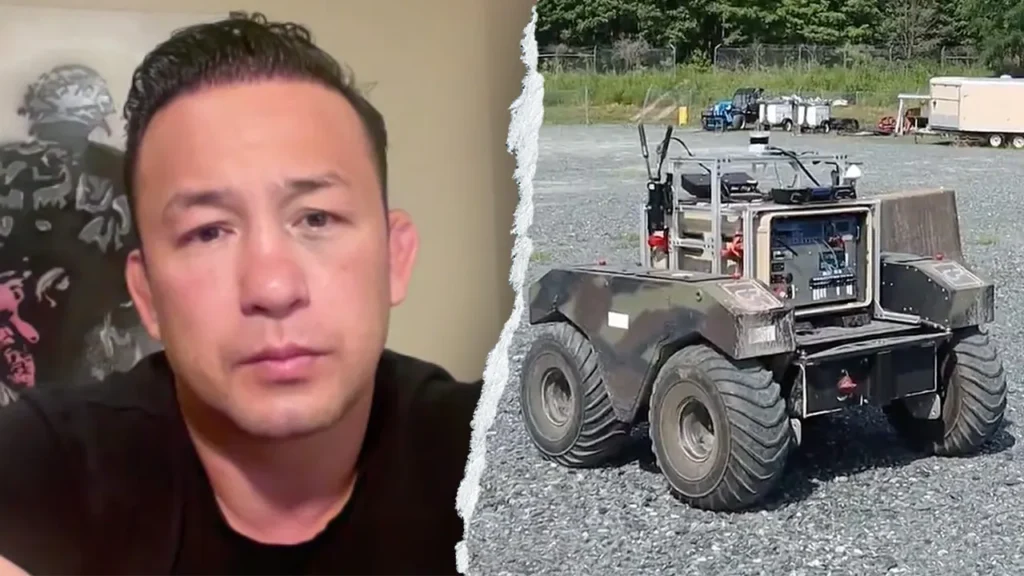
The U.S. Army Research Laboratory has joined forces with defense technology company EdgeRunner AI to create autonomous military robots equipped with artificial intelligence systems that can operate independently on the battlefield. The onboard AI technology eliminates reliance on cloud computing or internet connections, allowing robots to function effectively in environments where connectivity is compromised or unavailable.
EdgeRunner AI founder and CEO Tyler Saltsman emphasized the strategic importance of embedding neural networks directly into robots, describing the devices as edge platforms similar to smartphones and laptops but designed for combat support. The system grants robots contextual awareness during missions, enabling them to assist soldiers without maintaining constant communication with human operators.
The initiative reflects escalating competition between the United States and China to integrate artificial intelligence into military operations, with both nations viewing AI advancement as essential for technological superiority in future conflicts. Saltsman cautioned that remaining ahead in the global AI race is vital, particularly given China’s significant progress in drone manufacturing capabilities.
Rather than deploying generalized AI systems, EdgeRunner’s technology targets specific military applications including explosive detection, ammunition transport, route reconnaissance and enemy position reporting. The specialized approach provides warfighters with actionable intelligence tailored to individual operational needs rather than broad analytical capabilities.
When communications systems are jammed or disabled, the integrated neural networks allow robots to continue executing missions autonomously while maintaining situational awareness. Saltsman warned against relying on satellite internet systems like Starlink during combat operations, noting that their use could inadvertently reveal military positions to adversaries.
The development phase technology addresses a critical gap in autonomous systems by enabling robots to comprehend their visual surroundings rather than simply detecting objects. Saltsman stressed that safety protocols built using transparent datasets are fundamental to the technology, allowing developers to identify and mitigate potential AI biases before deployment.



More Stories
Federal voting arrest in New Jersey adds new pressure point in Sherrill-Trump standoff
Colombia backs Trump security push while limiting U.S. role in anti-gang operations
Former NFL cheerleader and ex-aide face off in close Rhode Island GOP primary