



💛 A quick favor, if you've got a second.
We're really happy that you chose to read one of our stories and sincerely hope you'll stick around to read more. We took our paywall down — for now — but that won't last forever, and when the gate goes back up, we'd love for you to already be on the inside.
It's free. So please enter your email here and don't forget to like and follow us on all of your favorite Social Media platforms!
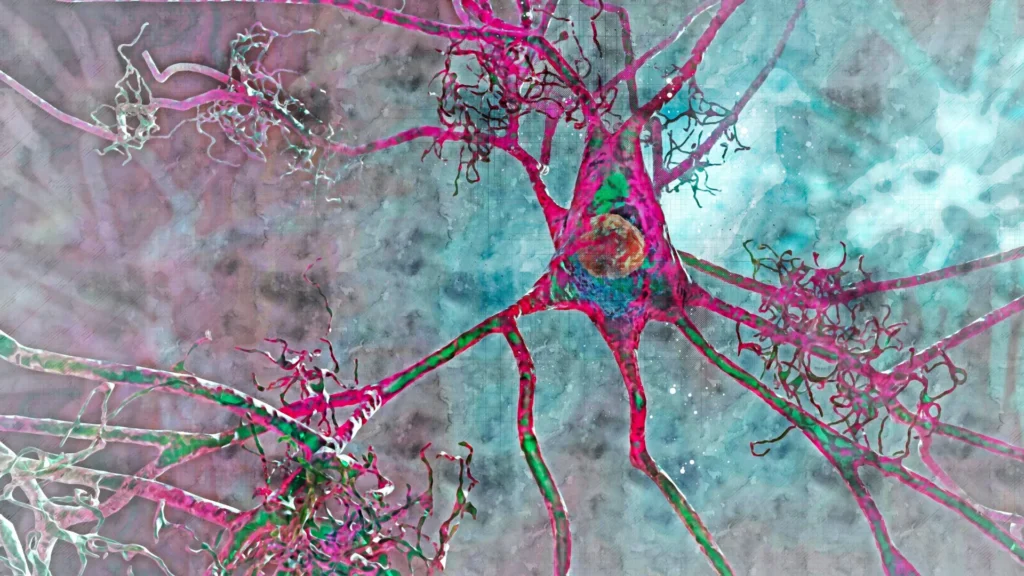
Researchers have pinpointed a molecular mechanism that could explain why advancing age increases susceptibility to devastating neurological conditions including ALS and Huntington’s disease. The discovery centers on EPS8, a protein that accumulates over time and initiates a cascade of cellular signals promoting the formation of harmful protein clumps that damage nerve cells. The findings emerged from studies conducted in laboratory worms and suggest a previously unknown connection between aging and neurodegeneration.
When EPS8 levels rise with age in the organism, it activates signaling pathways that cause toxic proteins to cluster together in ways that impair neuronal function. The resulting protein aggregates progressively damage brain cells, ultimately contributing to shortened lifespan and loss of nerve function. This mechanism appears central to how aging primes the nervous system for disease vulnerability.
Researchers demonstrated that diminishing EPS8 activity blocked the formation of these damaging protein clusters and maintained normal nerve cell operation. The findings could eventually inform therapeutic strategies targeting age-related neurological decline, though further research in mammals will be necessary before potential treatments can be developed for human patients.


More Stories
New York Health Officials Sound Alarm Over Rising Measles Cases as School Year Approaches
CareCloud Breach Compromises 3.75 Million Patient Records, Among Largest Healthcare Data Thefts of 2026
Month-Long HEPA Use Linked to Faster Cognitive Processing in Middle-Aged Adults