


💛 A quick favor, if you've got a second.
We're really happy that you chose to read one of our stories and sincerely hope you'll stick around to read more. We took our paywall down — for now — but that won't last forever, and when the gate goes back up, we'd love for you to already be on the inside.
It's free. So please enter your email here and don't forget to like and follow us on all of your favorite Social Media platforms!
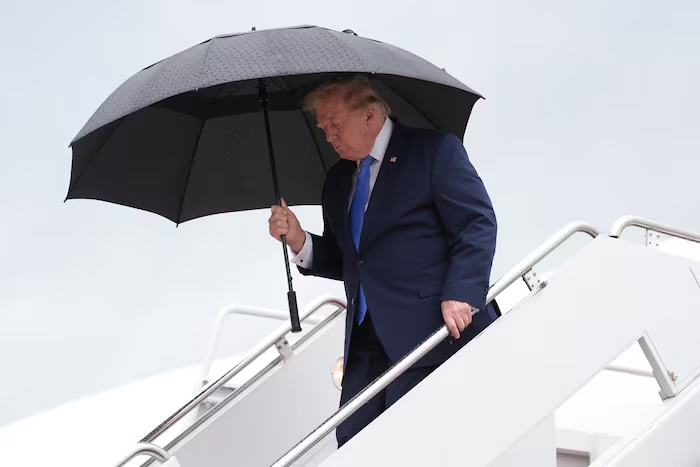
President Donald Trump has cycled through the same confrontational script multiple times during the five-month conflict with Iran, beginning with stark threats to devastate Tehran’s infrastructure before pivoting to claims of diplomatic headway. The pattern emerged anew Friday when Trump, flanked by Cabinet members, expressed diminishing confidence in negotiations and signaled imminent heavy military action. White House Press Secretary Karoline Leavitt amplified the rhetoric with a statement suggesting Iran would face mounting costs until accepting Trump’s terms for peace.
By late Saturday night, Trump reversed course via social media, declaring signs of progress had emerged and postponing planned large-scale strikes. He attributed the shift Sunday to entreaties from Iranian officials and leaders of Gulf states including Qatar, Saudi Arabia, and the United Arab Emirates to continue diplomatic efforts. Trump suggested the intervention prevented what would have been catastrophic consequences for Iran and its regional partners.
Earlier instances of this cycle include an April agreement reached hours before a Trump deadline, a May announcement delaying strikes while negotiations supposedly advanced, and June threats to seize Iran’s Kharg Island energy infrastructure that were subsequently retracted. Critics note such military control over Iranian territory would demand ground forces—a politically fraught proposition for a president who campaigned against prolonged foreign military commitments.
Trump’s phone conversation with Saudi Crown Prince Mohammed bin Salman on Saturday proved pivotal to abandoning the latest strike plan, according to a person briefed on the discussion. The crown prince warned that Iranian retaliation against U.S. Gulf allies could destabilize global energy markets, while cautioning that Kuwait faced particular vulnerability to attacks by Iran-backed Iraqi militias.
Public opposition to the Iran conflict shapes Republican calculations as midterm elections approach. Roughly two-thirds of Americans polled by The Associated Press-NORC Center for Public Affairs Research deemed the war unjustified, including 37 percent of Republicans. Louisiana Senator John Kennedy, a prominent Trump ally, suggested Sunday that intensified conflict could spike already-elevated energy prices and fuel inflation, advocating instead for maintaining current conditions and tightening sanctions.


More Stories
Former NFL cheerleader and ex-aide face off in close Rhode Island GOP primary
Trump Threatens FCC Action Against NBC’s Welker Over Endorsement Coverage
Chicago Mayor Issues Executive Order Requiring Contractor Diversity Disclosures and ICE Ties Reporting