




💛 A quick favor, if you've got a second.
We're really happy that you chose to read one of our stories and sincerely hope you'll stick around to read more. We took our paywall down — for now — but that won't last forever, and when the gate goes back up, we'd love for you to already be on the inside.
It's free. So please enter your email here and don't forget to like and follow us on all of your favorite Social Media platforms!
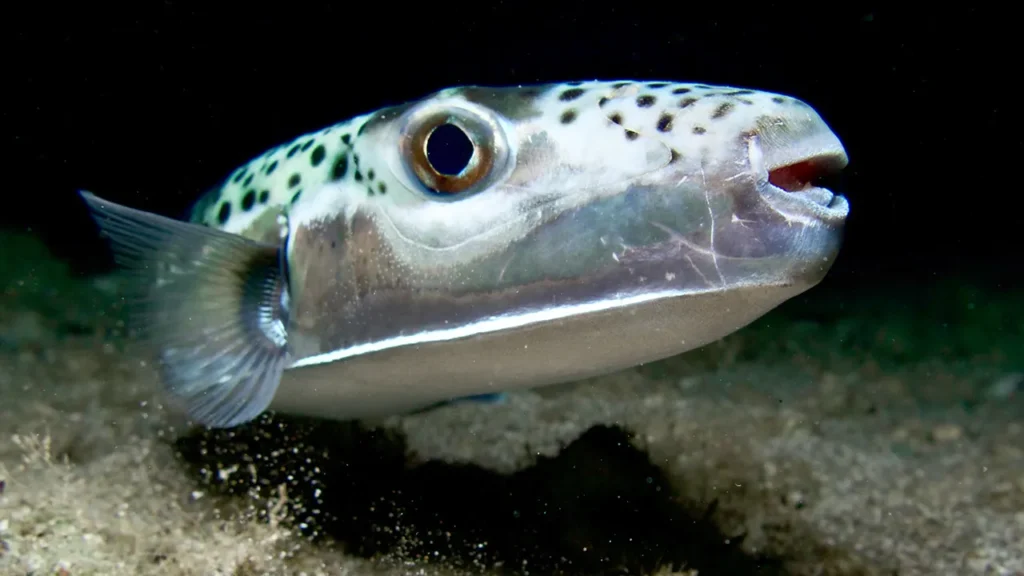
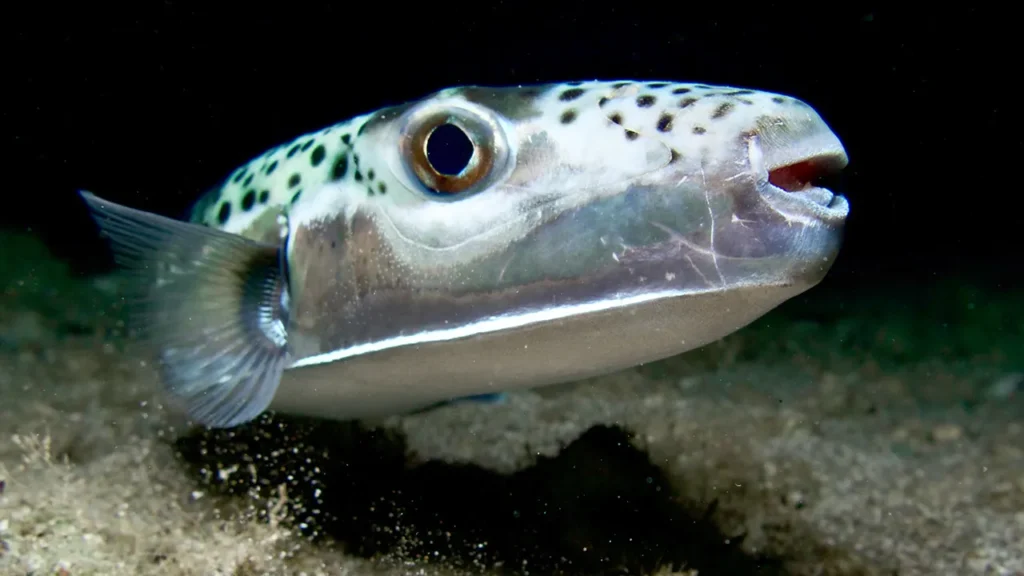
An invasive species of puffer fish carrying a potent neurotoxin is establishing itself throughout Mediterranean waters, spurring regional authorities to implement protective measures for swimmers and beachgoers. The silver-cheeked toadfish, also known as harefish, has expanded its territory significantly as ocean temperatures have risen, entering the Mediterranean through the Suez Canal and establishing breeding populations across multiple countries.
The fish poses a dual threat to human safety through its flesh, which contains tetrodotoxin—a deadly neurotoxin concentrated in internal organs—and its powerful beak-like jaws capable of crushing bone and shredding fishing equipment. A 2024 study in the peer-reviewed journal Toxics documented 198 human incidents across the eastern Mediterranean between 2004 and 2023, including 28 physical attacks, at least 144 non-lethal poisoning cases, and 27 fatalities linked to consumption of the species.
Researchers noted that reported incidents surged dramatically after 2019, though they cautioned that increased media coverage may account for some of the uptick rather than population growth alone. The Hellenic Red Cross issued formal warnings in June advising that no portion of the fish is safe for consumption due to unpredictable toxin distribution throughout its body.
Greek officials have taken concrete steps to protect swimmers, installing floating barriers and protective nets across bathing areas in the Gulf of Euboea and surrounding regions. Antonis Spanos, vice-mayor of Chalkida on the island of Evia, stated that authorities prioritize citizen safety and deployed 2.5 kilometers of netting in gulf bays to allow visitors a secure summer experience.
While the fish has not been documented in designated swimming areas at Greek island resorts, fishermen off Crete and other islands have reported significant damage to nets from the species. The Greek government announced it would compensate fishermen at 5.33 euros per kilogram—approximately $2.75 per pound—to harvest the invasive fish and control population growth.
Experts emphasize that unprovoked attacks remain uncommon; incidents typically occur when individuals attempt to catch, handle, or consume the fish. The species lacks natural predators in Mediterranean waters, allowing its population to expand unchecked in the region’s warming conditions.



More Stories
Federal Prosecutors Convene Special Grand Jury to Investigate D.C. Schools’ Attendance and Graduation Practices
State Department Reissues Level 3 Travel Advisory for Israel Amid Terrorism and Armed Conflict Concerns
Forest Service Proposes Steep Fee Increases at Lake Tahoe Recreation Sites