



💛 A quick favor, if you've got a second.
We're really happy that you chose to read one of our stories and sincerely hope you'll stick around to read more. We took our paywall down — for now — but that won't last forever, and when the gate goes back up, we'd love for you to already be on the inside.
It's free. So please enter your email here and don't forget to like and follow us on all of your favorite Social Media platforms!
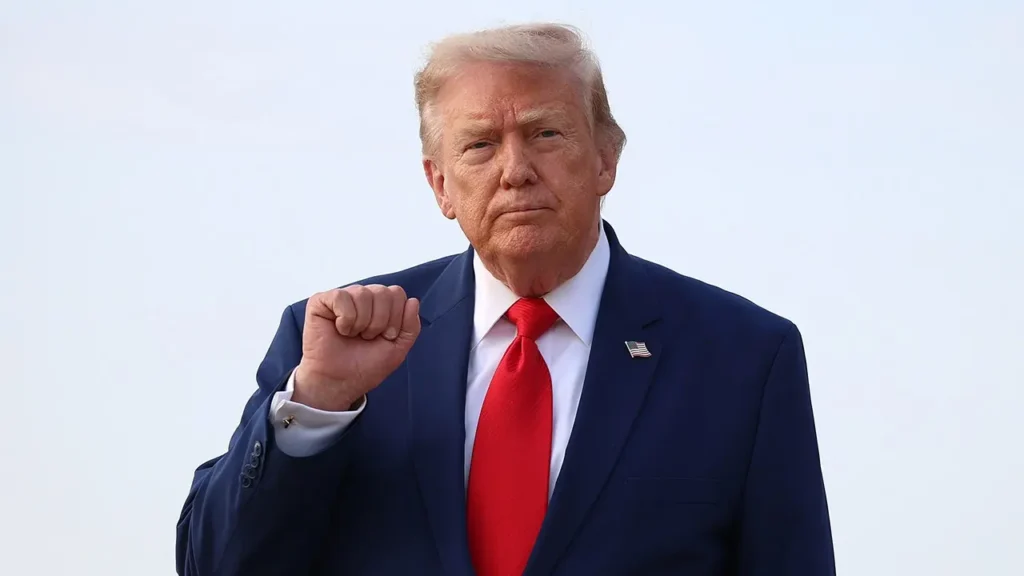
The Trump White House has moved to restrict federal student loan borrowing, implementing new caps on July 1 through the Department of Education. Graduate students may now borrow a maximum of $20,500 annually or $100,000 total, while professional degree candidates in fields like medicine face limits of $50,000 per year or $200,000 overall. The administration also capped the Parent Plus program at $20,000 per dependent per year, with a maximum of $65,000 per child.
Federal student debt has ballooned to $1.9 trillion as of 2024, up from $520 billion in 2006, driven by decades of government spending on higher education that failed to control tuition growth. Research shows college costs have risen 229.8 percent when adjusted for inflation since the 1963-64 academic year, more than 32 times the nominal increase. Graduate student borrowing now accounts for nearly half of all new federal loans made in the 2021-2022 academic year, making the sector a focal point for reform.
Advocates for the policy change argue that unchecked lending has allowed universities to raise tuition without accountability while enabling students to pursue degrees with limited earning potential. Studies indicate that increasing loan availability to graduate students failed to boost minority enrollment as intended but instead prompted schools to raise costs. The average graduate student now owes approximately $103,000, compared to less than $30,000 for undergraduates.
Previous administrations attempted to address student debt through interest rate reductions, loan forgiveness programs, and income-based repayment plans, but the Trump approach represents the first effort to directly cap total borrowing amounts. Education officials contend that restraining loan availability will force market discipline on both institutions and borrowers, potentially moderating both tuition increases and enrollment in low-value degree programs.


More Stories
Modern Science Finally Supports & Strengthens Biblical Account of the Crucifixion of Jesus Christ
Chicago Mayor Issues Executive Order Requiring Contractor Diversity Disclosures and ICE Ties Reporting
Federal Prosecutors Convene Special Grand Jury to Investigate D.C. Schools’ Attendance and Graduation Practices