



💛 A quick favor, if you've got a second.
We're really happy that you chose to read one of our stories and sincerely hope you'll stick around to read more. We took our paywall down — for now — but that won't last forever, and when the gate goes back up, we'd love for you to already be on the inside.
It's free. So please enter your email here and don't forget to like and follow us on all of your favorite Social Media platforms!
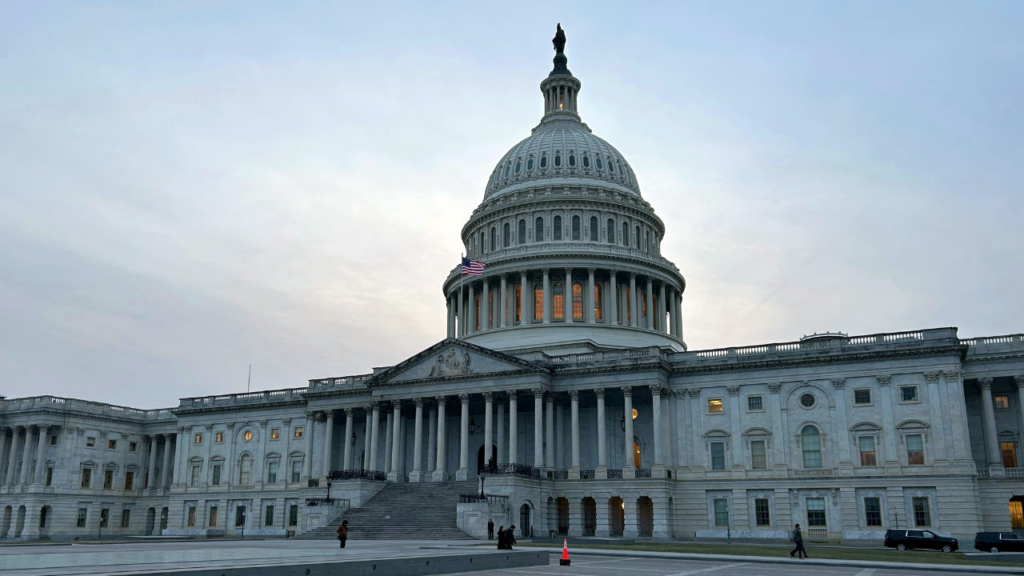
With the House adjourned until August 31, Republican leadership is preparing an aggressive campaign to distinguish their party from Democrats heading into the fall midterms. House Majority Leader Steve Scalise of Louisiana framed the contrast as a choice between “communism and freedom,” while GOP lawmakers have begun targeting what they characterize as an influx of far-left Democratic candidates in races across New York and Colorado.
Republicans aim to capitalize on concerns that progressive Democratic Socialists of America-backed candidates may alienate independents and moderate Democrats from their party. House Speaker Mike Johnson of Louisiana highlighted Democratic votes against bills on military funding, government appropriations, and voter identification requirements—votes he said Republicans plan to use in campaign messaging this fall.
A contentious House vote last week on banning stock trades by members illustrated the partisan divide. The measure passed 232-198, with only 13 Democrats supporting it against unified Republican backing, but the GOP attached a voter ID mandate that transformed the proposal into what Democrats called a political trap. Representative Alexandria Ocasio-Cortez of New York criticized the amendment as a “bait-and-switch tactic” designed to undermine mail-in voting access.
The House and Senate diverged sharply on military authority regarding Iran operations. Four Republicans defected from their party to join Democrats in voting to limit the president’s war powers, while the Senate ultimately rejected the measure. Pentagon funding remains stalled as lawmakers debate a defense policy bill and a separate $95 billion budget resolution, potentially delaying Congressional approval until after the November elections.
Democrats are attempting to use Iran as a campaign issue but face criticism for lacking a concrete exit strategy. Senate Minority Leader Chuck Schumer urged Republicans to intervene in the conflict, while Senator Chris Coons of Delaware and House Minority Leader Hakeem Jeffries acknowledged disagreement with current policy without offering detailed alternatives—a contrast to 2006, when Democrats flipped both chambers partly by campaigning on ending the Iraq War with a specific plan in hand.


More Stories
Former NFL cheerleader and ex-aide face off in close Rhode Island GOP primary
Trump Threatens FCC Action Against NBC’s Welker Over Endorsement Coverage
Chicago Mayor Issues Executive Order Requiring Contractor Diversity Disclosures and ICE Ties Reporting