


💛 A quick favor, if you've got a second.
We're really happy that you chose to read one of our stories and sincerely hope you'll stick around to read more. We took our paywall down — for now — but that won't last forever, and when the gate goes back up, we'd love for you to already be on the inside.
It's free. So please enter your email here and don't forget to like and follow us on all of your favorite Social Media platforms!
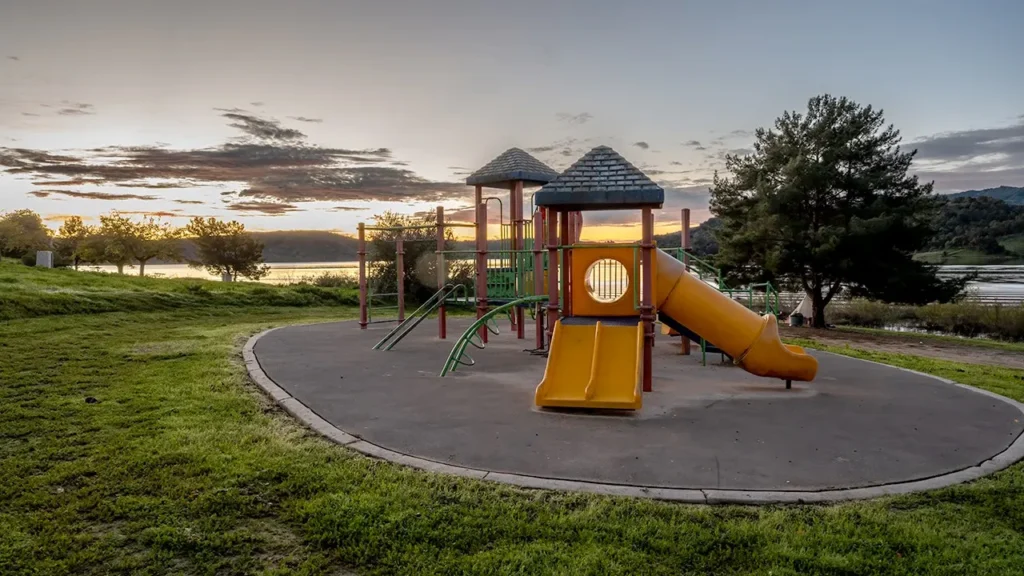
The nation’s quarter-millennium milestone arrives amid growing calls to reassess educational priorities, particularly regarding how schools structure the school day. A fundamental question has emerged: how can institutions best prepare young people to become engaged citizens and leaders capable of sustaining American democracy in the decades ahead?
The American Academy of Pediatrics addressed that question this summer with an updated policy statement on recess, its first comprehensive revision since 2013. The new guidance draws on substantially expanded scientific literature, growing from approximately 44 references in the earlier statement to more than 100 recent studies examining recess’s impact on childhood development.
That body of research confirms what 19th-century education reformers like Horace Mann intuited: schools must develop the whole child rather than narrowing focus exclusively to test performance and information transfer. The German word “kindergarten,” meaning “children’s garden,” reflects this historical understanding that young minds require space to explore, play and grow organically.
Educational policy shifted markedly following the 1983 “A Nation at Risk” report and intensified through the No Child Left Behind era, when schools prioritized standardized test results and maximized instructional minutes. Recess frequently became expendable, treated as downtime rather than integral to learning and development.
Modern neuroscience has now validated what educational philosophers long argued: recess functions as far more than physical exercise or break time. Child-directed play enables students to negotiate conflicts, develop leadership capabilities, build peer relationships, manage emotional stress and solve problems collaboratively—precisely the capacities that drive innovation and civic engagement across society.
The Academy’s position remains consistent with its 2013 guidance: schools must protect recess and never withhold it as punishment or sacrifice it for additional classroom instruction. The strengthened scientific foundation now supports this recommendation with substantially more evidence about recess’s contributions to cognitive development, emotional well-being and long-term success.
Currently, only twelve states mandate daily recess in schools, though several states including New York are advancing legislation to change that requirement. As back-to-school season approaches and states consider mandatory recess bills in upcoming legislative sessions, the nation faces decisions about prioritizing children’s play, social connection and mental health.
The qualities developed on playgrounds—creativity, collaboration, resilience, curiosity and problem-solving confidence—form the foundation upon which tomorrow’s professionals, leaders and citizens will build their careers and communities. Balancing rigorous academic instruction with protected time for play and fresh air represents an investment in America’s future capacity for innovation and democratic participation.

More Stories
Federal voting arrest in New Jersey adds new pressure point in Sherrill-Trump standoff
Colombia backs Trump security push while limiting U.S. role in anti-gang operations
Former NFL cheerleader and ex-aide face off in close Rhode Island GOP primary