


💛 A quick favor, if you've got a second.
We're really happy that you chose to read one of our stories and sincerely hope you'll stick around to read more. We took our paywall down — for now — but that won't last forever, and when the gate goes back up, we'd love for you to already be on the inside.
It's free. So please enter your email here and don't forget to like and follow us on all of your favorite Social Media platforms!
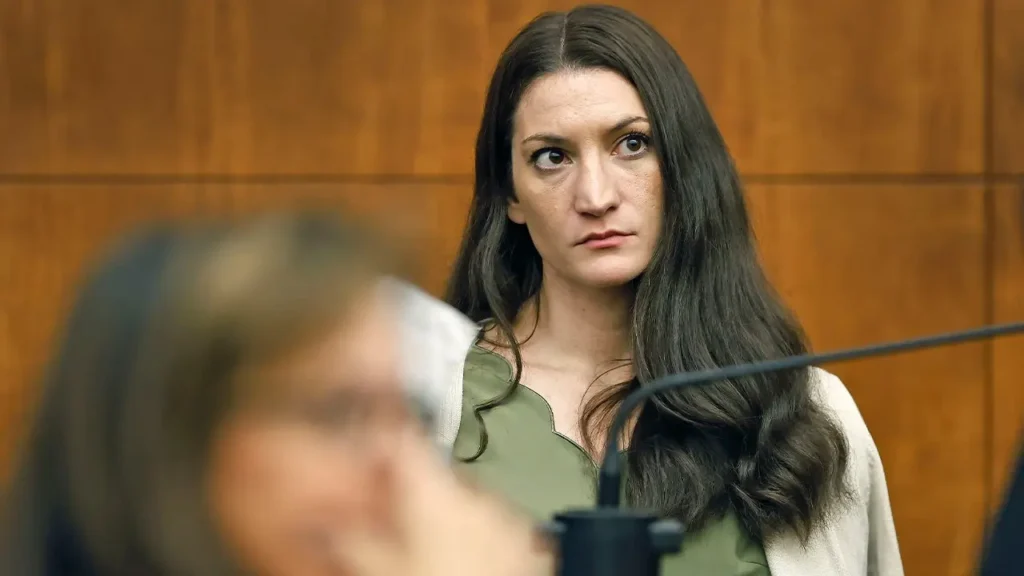
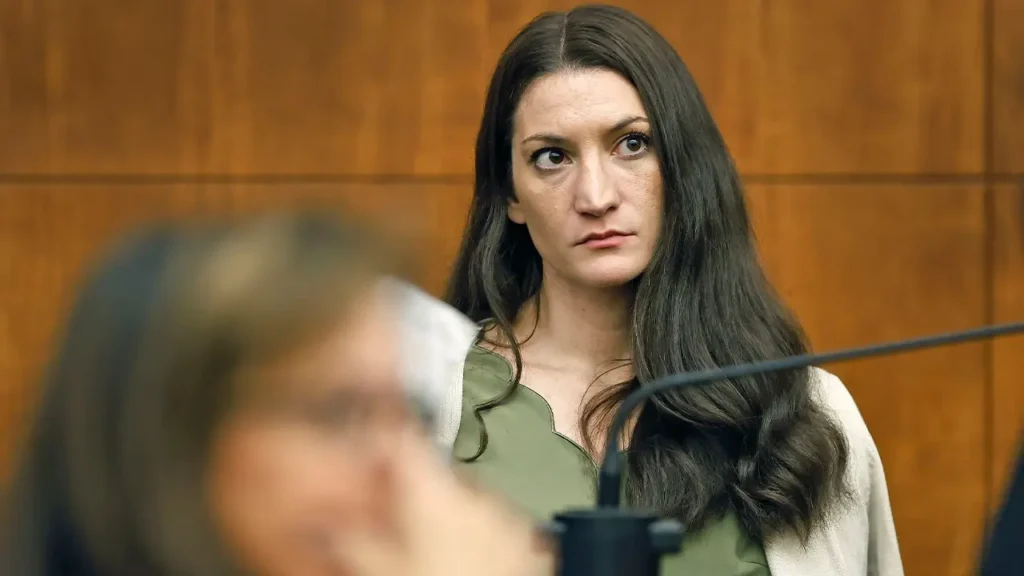
Plymouth Superior Court finalized a jury panel Thursday in the murder trial of Lindsay Clancy, 32, a former labor and delivery nurse accused of strangling her three young children at the family’s Duxbury home. The 18-member jury, composed of 12 women and six men, clears the way for opening statements scheduled to begin Monday morning at 9 a.m. The trial is expected to focus not on whether Clancy caused the deaths but on whether she was legally responsible for her actions at the time.
Clancy has pleaded not guilty to three counts each of murder and strangulation in the deaths of Cora, 5, Dawson, 3, and Callan, 8 months. Her defense team does not dispute that she killed the children but plans to argue that she was experiencing severe postpartum psychosis and therefore lacked criminal responsibility. Prosecutors contend the killings were intentional and carefully planned, according to court documents.
On January 24, 2023, Patrick Clancy left the family home to purchase takeout and pharmacy items. While he was away, prosecutors allege Lindsay Clancy used exercise bands to strangle the children before jumping from a second-story window in an apparent suicide attempt. The fall left her paralyzed, and she now uses a wheelchair.
Cora and Dawson were pronounced dead at Plymouth Hospital, while Callan was airlifted to Boston Children’s Hospital and died several days later. The medical examiner determined that Cora and Dawson died from asphyxia, and Callan died from complications of asphyxia.
According to lawsuits filed by Lindsay and Patrick Clancy against her medical providers, she had been struggling with depression, sleeplessness, suicidal thoughts, and voices before the incident. She was admitted to a psychiatric hospital weeks prior and prescribed several medications as her condition allegedly worsened. The lawsuits claim she heard a voice on the day of the killings telling her it was her “last chance” to kill the children and herself.
Judge William Sullivan ruled Friday that the media and public cannot record, display, reproduce, or distribute Patrick Clancy’s initial 911 call or autopsy photographs of the children. Reporters may describe what is heard or shown in court but cannot broadcast or publish the materials themselves. The ruling followed a heated courtroom exchange Thursday in which both the defense and prosecution sparred over the handling of sensitive evidence.
Patrick Clancy’s attorney, David Meier, requested the restrictions to prevent lasting emotional harm to his client, arguing the request would not close the courtroom or prevent jurors from viewing evidence. Lindsay Clancy’s defense attorney, Kevin Reddington, supported the motion and accused prosecutors of planning to present evidence in a manner designed to “inflame” the jury, calling the prosecution’s approach “reprehensible.”
Reddington emphasized Patrick Clancy’s suffering and his efforts to rebuild his life, noting he had divorced, remarried, and started a new family. He argued that calling multiple first responders would produce cumulative testimony intended primarily to stir jurors’ emotions rather than establish facts.
Assistant District Attorney Juan Sprague countered that the defendant, not the prosecution, determined the number and ages of the victims. Sullivan interrupted the exchange to clarify that the immediate issue concerned only media access to the materials, not prosecutors’ right to introduce them at trial.

More Stories
Christa Pike Survives Botched Double Execution Attempt; Tennessee Halts Remaining 2026 Executions
Tennessee’s Lone Death Row Female is Scheduled for Execution Wednesday for 1995 Torture/Murder
Federal voting arrest in New Jersey adds new pressure point in Sherrill-Trump standoff