


💛 A quick favor, if you've got a second.
We're really happy that you chose to read one of our stories and sincerely hope you'll stick around to read more. We took our paywall down — for now — but that won't last forever, and when the gate goes back up, we'd love for you to already be on the inside.
It's free. So please enter your email here and don't forget to like and follow us on all of your favorite Social Media platforms!
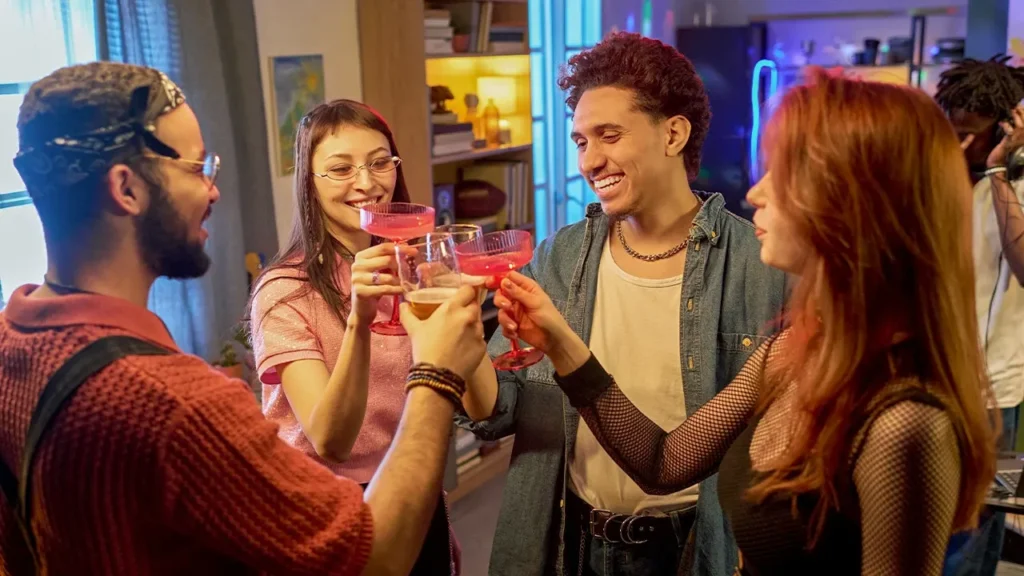
A significant decline in alcohol consumption among American adults has prompted the beverage industry to recalibrate its approach to younger drinkers. According to a 2025 Gallup poll, only 54% of U.S. adults reported consuming alcohol, marking the lowest percentage in the organization’s 90-year tracking history and a sharp drop from the 60%-plus figures recorded between 1997 and 2023.
Rather than abandoning drinking entirely, Generation Z is fundamentally changing consumption patterns by prioritizing quality and intentionality. Ryan Close, CEO and founder of Bartesian, an automated at-home cocktail machine manufacturer, contends that younger consumers are shifting away from quantity-based drinking toward curated beverage experiences with premium ingredients and craftsmanship.
Market research corroborates Close’s observations about evolving consumer preferences. A January 2 report from NielsenIQ identified quality-focused purchasing as a dominant trend, finding that 67% of spirits drinkers and 52% of average drinkers expressed willingness to pay premium prices for higher-quality beverages, though the analysis focused on bar and restaurant settings rather than home consumption.
Close attributes part of this shift to pandemic-era experiences, when many Gen Z consumers reached legal drinking age while establishments operated under restrictions. This cohort increasingly views home entertaining as equivalent to professional bar and restaurant experiences, driving demand for sophisticated at-home cocktail options with quality ingredients and customizable alcohol content.
Economic factors have also accelerated the trend toward home-based premium drinking. Close noted that escalating cocktail prices at establishments—citing a $24 martini he purchased in New York City—have made consumers more discerning about expenditures and more likely to recreate similar drinks at home for significantly lower costs.

More Stories
Looney Tunes’ ‘Coyote vs. Acme’ Debuts With $15.5 Million as ‘Spider-Man’ Holds Box Office Crown
Country Music Legend Dolly Parton Laid to Rest; Niece Shares Touching Remembrance
Britt Baker’s Surprise Return Helps Persephone Capture AEW TBS Championship at All In