


💛 A quick favor, if you've got a second.
We're really happy that you chose to read one of our stories and sincerely hope you'll stick around to read more. We took our paywall down — for now — but that won't last forever, and when the gate goes back up, we'd love for you to already be on the inside.
It's free. So please enter your email here and don't forget to like and follow us on all of your favorite Social Media platforms!
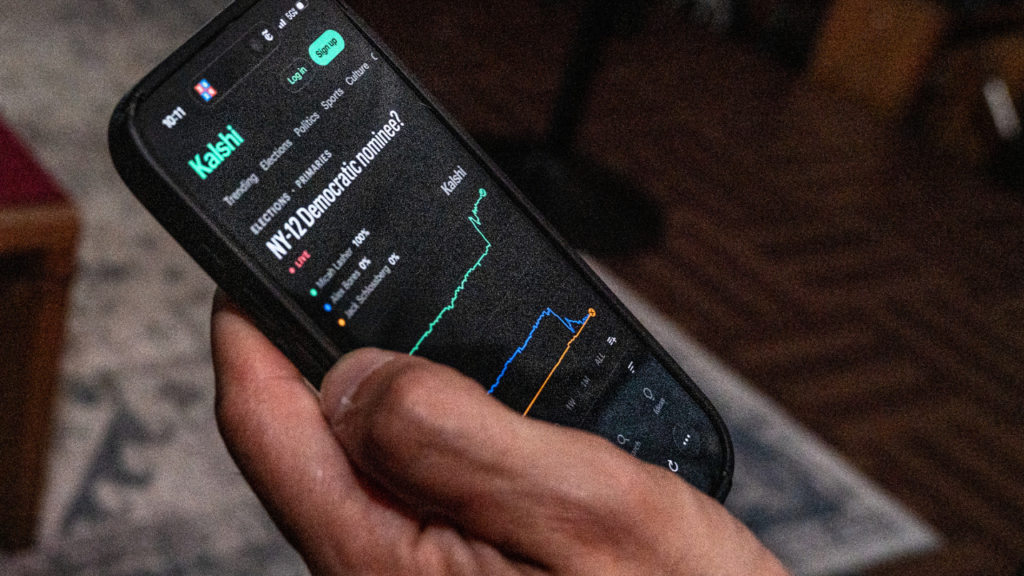
The landscape of legal gambling has transformed dramatically since the 1970s, expanding from casinos in Las Vegas and Atlantic City to online platforms and now prediction markets. Companies like Kalshi and Polymarket have democratized wagering by allowing bets on virtually any outcome, from corporate earnings to entertainment releases, fundamentally changing who holds valuable inside information.
This shift carries serious consequences. Thousands of people now possess non-public knowledge about events that move prediction market prices—information once confined to corporate insiders and government officials. A soldier profited from advance knowledge of military operations in Venezuela this year, while a White House teleprompter operator capitalized on foreknowledge of President Donald Trump’s speeches, exemplifying how broadly insider information now spreads.
Traditional insider trading prosecution focuses on wealthy financiers and members of Congress. Prediction markets have shattered that paradigm, enabling anyone with relevant knowledge to potentially profit. A reporter holding an unreleased story about a political candidate could legally bet on that race, while operatives could place wagers to create artificial momentum for campaigns in smaller elections.
Regulators at state and federal levels have begun addressing prediction markets, but enforcement remains challenging. Without shutting down the industry entirely, authorities cannot prevent hundreds of thousands of potential insider traders from participating across tens of thousands of available markets, experts say.
The core problem reflects a recurring 21st-century pattern: technological innovation outpaces society’s ability to establish ethical guidelines or regulatory frameworks. Prediction markets continue growing as alternatives to traditional polling and focus groups in politics, yet their fundamental mechanics remain largely unregulated.
Ultimately, decision-making falls to individuals. Workers, consultants and ordinary citizens must determine independently whether wagering on information they possess crosses ethical boundaries, as legal prohibitions remain largely undefined in this emerging market segment.

More Stories
Federal voting arrest in New Jersey adds new pressure point in Sherrill-Trump standoff
Colombia backs Trump security push while limiting U.S. role in anti-gang operations
Former NFL cheerleader and ex-aide face off in close Rhode Island GOP primary