


💛 A quick favor, if you've got a second.
We're really happy that you chose to read one of our stories and sincerely hope you'll stick around to read more. We took our paywall down — for now — but that won't last forever, and when the gate goes back up, we'd love for you to already be on the inside.
It's free. So please enter your email here and don't forget to like and follow us on all of your favorite Social Media platforms!
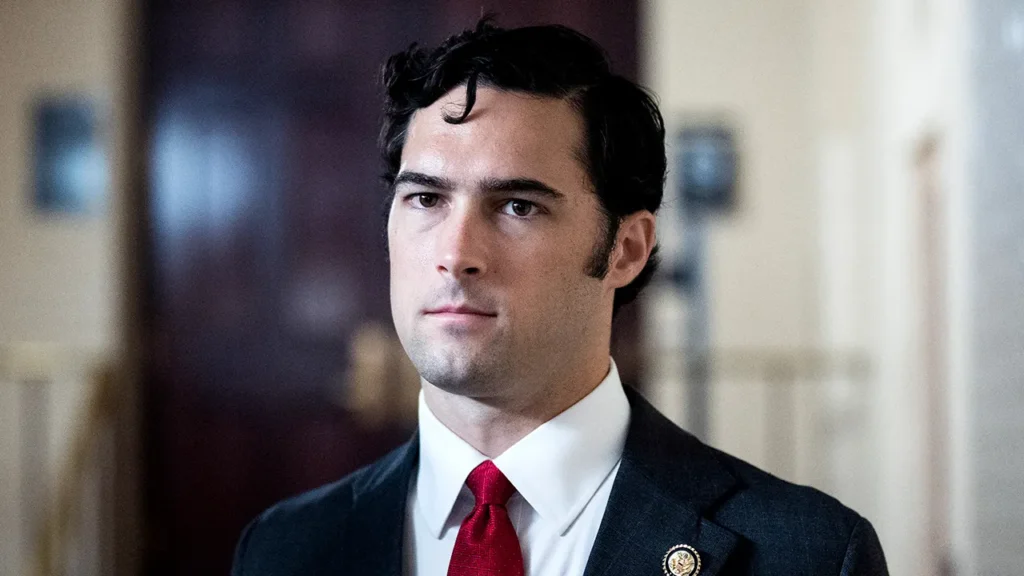
Republican Rep. Brandon Gill of Texas confronted American Bar Association President Michelle A. Behnke during a Wednesday House Oversight Committee hearing, demanding she clarify whether the organization’s diversity commitments would support rejecting additional Black nominees to the Supreme Court. The contentious exchange underscored GOP concerns that the ABA has weaponized its law school accreditation authority to impose race-conscious diversity policies across the legal profession.
Gill, who chairs the Task Force on Defending Constitutional Rights and Exposing Constitutional Abuses, has long maintained that the ABA pressures law schools to adopt race-conscious admissions standards and mandatory diversity-related coursework. “DEI is a cancerous ideology that promotes unlawful discrimination and steals opportunities from Americans who would otherwise earn jobs and law school admissions spots on merit,” Gill stated before the hearing commenced.
When Gill pressed Behnke on whether a Supreme Court that “roughly resembles America’s racial makeup” would be desirable, she repeatedly avoided a direct answer, instead emphasizing that the ABA opposes quotas. Gill noted that two of nine justices are Black, representing approximately 22 percent of the Court compared with roughly 13 percent of the U.S. population, then asked whether that proportion justified rejecting a third Black nominee solely on racial grounds.
Behnke defended the organization’s diversity stance, arguing it strengthens the legal profession by drawing on varied perspectives and experiences. “When we have diverse teams, our profession is stronger,” she told lawmakers, insisting the ABA does not support discrimination.
Gill also questioned Behnke about President Joe Biden’s 2022 commitment to nominate the first Black woman to the Supreme Court, asking whether race factored into Justice Ketanji Brown Jackson’s selection and whether Biden improperly excluded other demographic groups from consideration.
The ABA’s influence over legal education remains substantial because most states require graduation from an ABA-approved law school as the primary path to bar exam eligibility. While the organization maintains its accreditation council operates independently, Republicans argue the connection runs deeper than publicly acknowledged.
Several states including Texas, Florida, Alabama, and Tennessee have begun exploring alternatives to relying exclusively on ABA accreditation for bar eligibility, signaling broader dissatisfaction with the organization’s standards and approach.

More Stories
Colombia backs Trump security push while limiting U.S. role in anti-gang operations
Modern Science Finally Supports & Strengthens Biblical Account of the Crucifixion of Jesus Christ
Chicago Mayor Issues Executive Order Requiring Contractor Diversity Disclosures and ICE Ties Reporting