


💛 A quick favor, if you've got a second.
We're really happy that you chose to read one of our stories and sincerely hope you'll stick around to read more. We took our paywall down — for now — but that won't last forever, and when the gate goes back up, we'd love for you to already be on the inside.
It's free. So please enter your email here and don't forget to like and follow us on all of your favorite Social Media platforms!
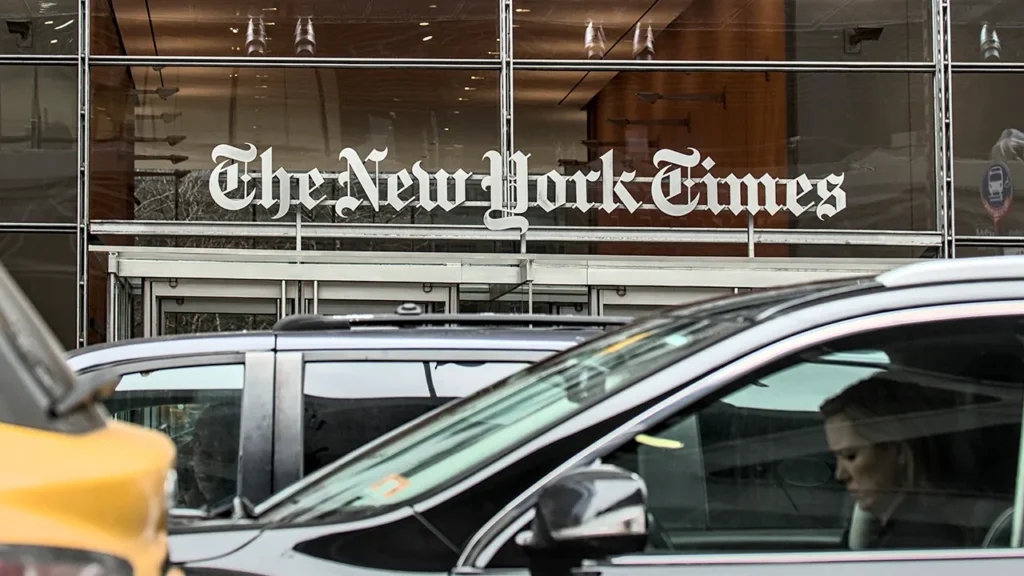
The Justice Department abandoned subpoenas Thursday that had been issued against three journalists at the New York Times as part of an ongoing leak investigation. The DOJ had previously sought grand jury testimony and phone records from reporters Tyler Pager, Julian Barnes, Eric Schmitt and Eric Lipton, who co-authored an article published earlier this month examining Trump’s decision to use his older Air Force One aircraft instead of a new Boeing 747-8 gifted by Qatar during his departure from the NATO summit in Turkey.
The Times story, relying on unnamed sources, reported that security concerns prompted the aircraft switch, a claim Trump has disputed. The report’s publication triggered a Justice Department inquiry aimed at identifying the government officials who provided the classified information to the newspaper’s journalists.
David McCraw, senior vice president and deputy general counsel at the New York Times, said in a statement that the withdrawal represented vindication for press freedom. McCraw asserted the government had acknowledged the subpoenas violated the law and should never have been issued, while promising continued reporting without interference.
Trump had characterized the aircraft change as routine, posting on Truth Social that the stop at Mildenhall was arranged to allow service members stationed there to view the new plane. The dispute highlighted elevated military tensions between the United States and Iran following the NATO summit.
The subpoena decision had drawn criticism from press advocates and legal scholars who contended it violated First Amendment protections. The Justice Department previously defended its investigative tactics by emphasizing the seriousness of national security breaches and the government’s obligation to prosecute unauthorized disclosures of classified material.

More Stories
Federal voting arrest in New Jersey adds new pressure point in Sherrill-Trump standoff
Colombia backs Trump security push while limiting U.S. role in anti-gang operations
Former NFL cheerleader and ex-aide face off in close Rhode Island GOP primary