


💛 A quick favor, if you've got a second.
We're really happy that you chose to read one of our stories and sincerely hope you'll stick around to read more. We took our paywall down — for now — but that won't last forever, and when the gate goes back up, we'd love for you to already be on the inside.
It's free. So please enter your email here and don't forget to like and follow us on all of your favorite Social Media platforms!
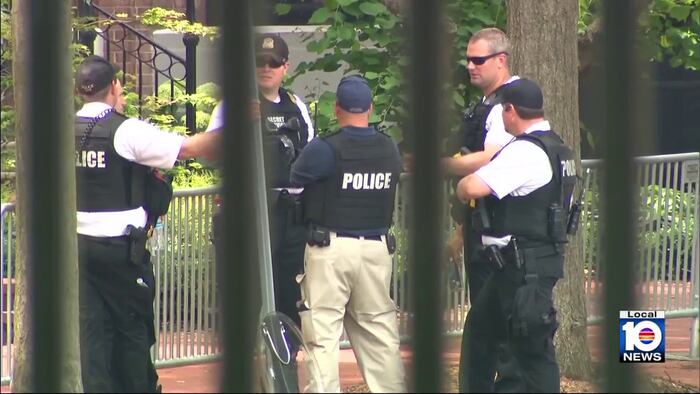
The U.S. Secret Service is navigating what officials describe as an exceptionally perilous security landscape while safeguarding President Donald Trump against a diverse array of threats spanning physical attacks, unmanned aircraft and digital radicalization. Director Sean Curran disclosed during an unusual public presentation on protective protocols that the agency is contending with an extraordinary number of threats targeting the president at levels he characterized as unprecedented in his 24 years of service.
The agency’s assessment follows a series of security breaches and attack attempts over the past two years. Most notably, a gunman opened fire at a Trump campaign rally in Butler, Pennsylvania, in 2024, striking the president’s right ear and fatally wounding an attendee. Additionally, an armed individual carrying multiple weapons bypassed security screening at the White House Correspondents’ Dinner in April before being apprehended by law enforcement.
Deputy Director Matthew Quinn acknowledged that the Secret Service has reassessed its protective protocols for former presidents pursuing elected office. “At that time, a former president wasn’t getting the resources that they potentially should have been getting,” Quinn stated, signaling a recalibration of resource allocation following the Pennsylvania incident.
Drone technology has emerged as an escalating concern for protective operations. Officials emphasized that commercially available unmanned systems have become sophisticated instruments deployed in combat zones and present mounting challenges for securing major gatherings and protected facilities. Federal prosecutors recently charged eight individuals with terrorism offenses for allegedly planning an explosive drone assault on a UFC event at the White House South Lawn.
Quinn reported that counter-drone technology has been deployed to defend the president and other officials. “The threat continues to get tougher and tougher. You’re talking fiberoptic-controlled drones now, dark drones, so it’s a constant challenge to keep up with it, but we’re doing a tremendous job to stay ahead of the threat,” he said.
Beyond tangible security measures, the Secret Service has intensified its capacity to detect threats at earlier stages through monitoring online communications and evaluating behavioral indicators among individuals expressing violent intentions toward the president. Officials confirmed that advance teams are already implementing heightened security preparations for Friday’s rescheduled White House Correspondents’ Dinner, with every presidential engagement subject to maximum-level protective protocols.

More Stories
Federal voting arrest in New Jersey adds new pressure point in Sherrill-Trump standoff
Colombia backs Trump security push while limiting U.S. role in anti-gang operations
Former NFL cheerleader and ex-aide face off in close Rhode Island GOP primary