


💛 A quick favor, if you've got a second.
We're really happy that you chose to read one of our stories and sincerely hope you'll stick around to read more. We took our paywall down — for now — but that won't last forever, and when the gate goes back up, we'd love for you to already be on the inside.
It's free. So please enter your email here and don't forget to like and follow us on all of your favorite Social Media platforms!
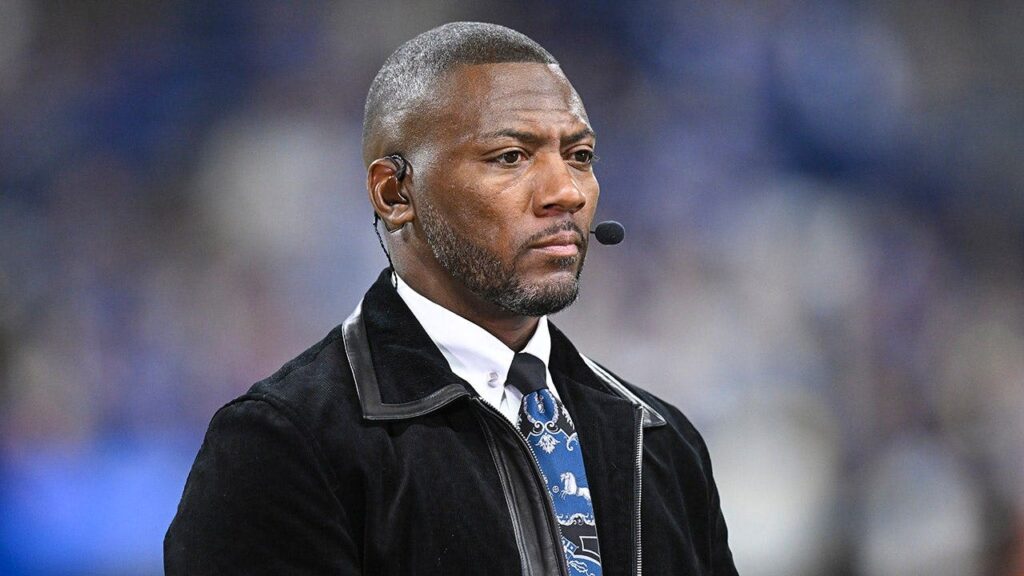
The decision by ESPN to end its relationship with analyst Ryan Clark was neither unexpected nor difficult to understand from a business standpoint. Multiple factors converged to make the separation a logical choice for the network, though the move represents broader questions about talent evaluation and organizational priorities in sports media.
Clark commanded roughly $2 million annually, approximately four times the compensation earned by the typical NFL analyst working in the industry. His tenure generated consistent negative publicity for the network, ranging from controversial remarks about interracial marriages to disputed claims regarding police conduct. Additionally, his popularity with audiences remained limited, and internal relationships with both staff and on-air colleagues suffered from strain.
A pattern of controversial statements marked Clark’s recent years at ESPN. He shamed Robert Griffin III over his marriage to a White woman and made factually questionable assertions about law enforcement in a case ultimately ruled a suicide. He created tension by publicly dismissing colleague Peter Schrager’s credibility based on his lack of playing experience, even as the network began developing new programming around Schrager.
From a purely financial perspective, Clark generated no measurable increase in viewership or revenue for ESPN. Sources within the company indicate his appearances actually corresponded with slight declines in quarter-hour ratings for NFL-specific programming. The absence of quantifiable value made the accumulation of controversies particularly damaging to his employment case.
ESPN’s recent layoffs signal a strategic refocus rather than ideological realignment, according to internal sources. The network aims to prioritize personalities who concentrate on sports coverage while entertaining audiences, moving away from unnecessary political and racial commentary. Current leadership, including CEO Jimmy Pitaro, has shifted away from the approach favored by former head John Skipper, who deliberately recruited personalities without sports backgrounds to discuss broader cultural topics.
The network has identified specific on-air talent for advancement, including Pat McAfee, Peter Schrager, Laura Rutledge, Mina Kimes, Ian Rapoport and Kendrick Perkins. Meanwhile, ESPN made strategic errors in other personnel decisions, most notably allowing reporter Tom Pelissero to depart. Pelissero consistently breaks major NFL stories alongside Adam Schefter and Ian Rapoport, and his exit represents a competitive disadvantage for the network in an area where it maintains significant advantage in basketball coverage.

More Stories
Trump Threatens FCC Action Against NBC’s Welker Over Endorsement Coverage
Looney Tunes’ ‘Coyote vs. Acme’ Debuts With $15.5 Million as ‘Spider-Man’ Holds Box Office Crown
Country Music Legend Dolly Parton Laid to Rest; Niece Shares Touching Remembrance