

💛 A quick favor, if you've got a second.
We're really happy that you chose to read one of our stories and sincerely hope you'll stick around to read more. We took our paywall down — for now — but that won't last forever, and when the gate goes back up, we'd love for you to already be on the inside.
It's free. So please enter your email here and don't forget to like and follow us on all of your favorite Social Media platforms!
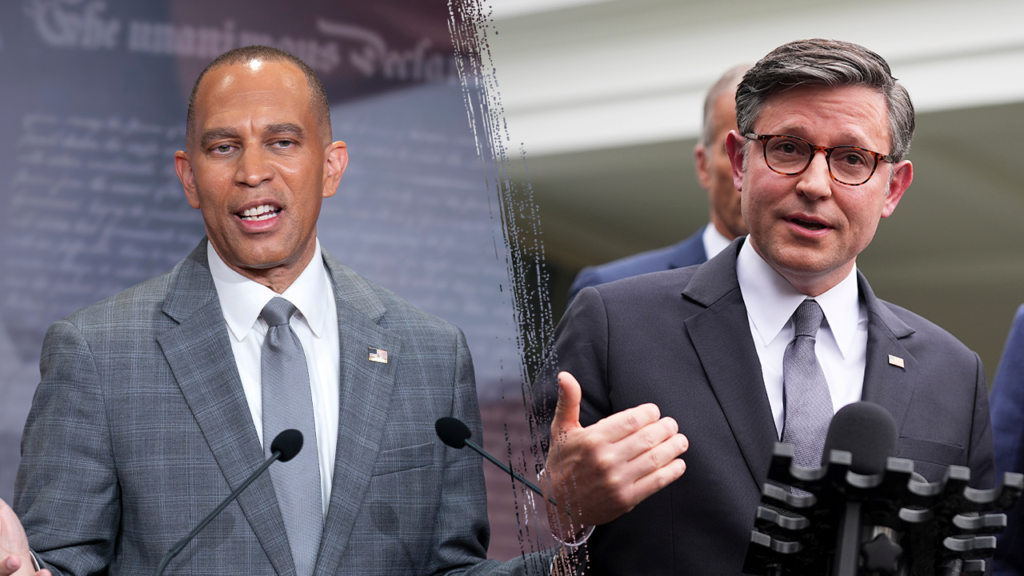
The House cleared a procedural hurdle Tuesday in Speaker Mike Johnson’s strategy to circumvent Senate Democratic opposition to election-related provisions backed by President Donald Trump. The vote represented a significant step forward for Republicans in their push to reshape voting requirements, a move Democrats characterize as voter suppression while the GOP frames it as election security.
Lawmakers voted largely along party lines to advance debate on a $95 billion fiscal package that allocates $10 billion toward state implementation of voter identification laws and proof-of-citizenship requirements for voter registration. These provisions form the core of the Safeguarding American Voter Eligibility, or SAVE, America Act, which has stalled in the Senate despite Trump’s backing.
Johnson’s maneuver employs the budget reconciliation process, a legislative mechanism that allows the majority party to bypass the 60-vote filibuster threshold in the Senate and pass spending measures with only a simple majority. The process restricts included provisions to those directly affecting federal spending and revenues, placing election policy on uncertain legal footing within the bill.
The broader measure encompasses $73 billion for military operations against Iran and $12 billion in agricultural assistance. A framework vote directing committees to develop specific budget allocations is scheduled for Wednesday afternoon, though passage remains uncertain amid opposition from Democrats and resistance from Republican fiscal conservatives concerned about spending without offsetting cuts.

More Stories
Colombia backs Trump security push while limiting U.S. role in anti-gang operations
Chicago Mayor Issues Executive Order Requiring Contractor Diversity Disclosures and ICE Ties Reporting
University of Pennsylvania Climate Scientist Demands Supreme Court Packing Pledge From Democratic Candidates