


💛 A quick favor, if you've got a second.
We're really happy that you chose to read one of our stories and sincerely hope you'll stick around to read more. We took our paywall down — for now — but that won't last forever, and when the gate goes back up, we'd love for you to already be on the inside.
It's free. So please enter your email here and don't forget to like and follow us on all of your favorite Social Media platforms!
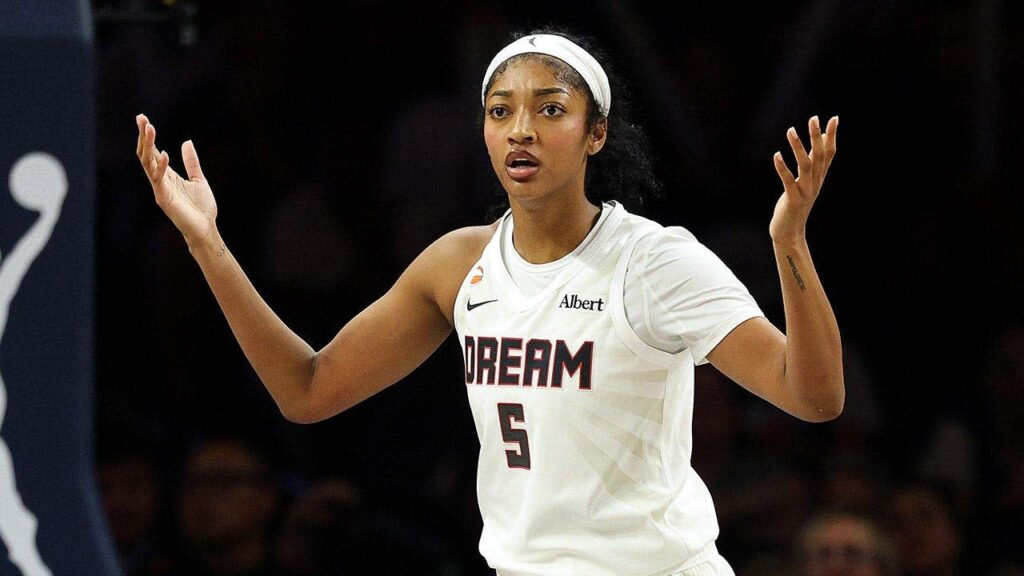
Toronto Tempo coach Sandy Brondello faced a one-game suspension without pay after being caught on microphone calling Angel Reese a “protected species” during a weekend game. The phrase, common in Australian sports vernacular to describe athletes receiving preferential treatment, sparked immediate backlash when Reese and her social media followers interpreted it through a racial lens despite Brondello’s explanation that her frustration targeted the officiating of a foul call.
Brondello, an Australian coach, drew the phrase from her cultural context where it has been applied to rugby players, referees and other athletes regardless of race. Former NASCAR driver and white athlete Danica Patrick was similarly described as a “protected species” in 2012. Yet critics ignored this background, assigned American racial meaning to an Australian expression and condemned Brondello for not conforming to American speech norms—an irony given repeated lectures about cultural sensitivity directed at others.
The suspension equaled the penalty imposed on Alyssa Thomas for driving her fist into Caitlin Clark’s throat, raising questions about the WNBA’s disciplinary priorities. Reese publicly thanked the league for the suspension and framed the comment as discriminatory, despite the documented Australian usage of the term and Brondello’s clear explanation about officiating frustration.
Reese’s victimhood narrative gained momentum after LSU’s 2023 national championship win over Iowa. Following the final seconds, during which Reese repeatedly taunted Clark with gestures and pointed to her championship ring, criticism emerged about excessive behavior. Reese reframed the sports debate as racial discrimination, claiming she was targeted for not fitting a certain narrative and being “too hood” or “too ghetto.”
During the 2025 WNBA season opening, the league investigated allegations of hateful fan comments directed at Reese following a Chicago Sky-Indiana Fever game. No video or audio evidence was released, no fan was identified and no public witness corroborated the claim. Despite the investigation finding no substantiation, media outlets and Reese treated the unproven allegation as established fact, smearing Fever fans with racism accusations.
Reese has accused Clark’s fanbase of creating fake sexual images, sending them to her family and stalking her while making racist threats. She has offered no public evidence connecting these alleged offenders to Clark’s supporters or proof the threats were reported to police. When questioned about these serious allegations, Reese provided no documentation, instead expecting acceptance of her claims without corroboration.
In June 2024, a man approached Reese’s then-teammate Chennedy Carter outside the team’s hotel with a camera to ask about a cheap shot she had delivered to Clark. Reese characterized the encounter as dangerous harassment requiring intervention, though video showed the man asking a simple question before security moved him away without incident. One year later, Reese claimed she had “never had a negative encounter in person, ever,” effectively erasing this incident from her narrative.
Reese’s distrust of media intensified from dismissing journalists as word-twisters during her rookie season to claiming fear of reporters by late 2025. Yet nearly all her controversies stem from her own recorded statements rather than misquoting. She said Clark gets a “special whistle,” accused Clark’s fans of racism and stalking, and claimed to “embrace being a villain”—all documented in video and audio her control.
When Reese herself suggested Clark received preferential treatment from officials, the comment drew no league suspension. The same sentiment directed at her prompted Brondello’s one-game ban, illustrating what Reese frequently discusses as double standards, though she appears blind to her own application of them.
The Chicago Sky player has become one of basketball’s most recognizable figures, securing endorsement deals, launching a successful podcast and building a massive social media presence. She benefited significantly from the Clark rivalry that media outlets, including ESPN and OutKick, heavily promoted. During her podcast’s debut episode, Reese dedicated extended segments to discussing Clark despite previously downplaying Clark’s role in the WNBA’s popularity surge.
Online abuse directed at public figures is widespread and undeniably problematic, affecting athletes across all demographics and sports. Reese experienced disgusting fake sexual imagery created when she was 21—an indefensible violation. However, presenting such harassment as unique to her or her race ignores the documented reality that virtually every prominent public figure receives similar trolling, threats and vicious social media attacks.
Reese’s celebrity status provides benefits—wealth, sponsorships, platform influence and millions of followers—that accompany predictable drawbacks inherent to fame in the digital age. She maintains the option to reduce media exposure by limiting public statements or stepping back from social platforms, choices she has repeatedly rejected in favor of continued visibility and the accompanying financial benefits.
Her success as a self-promoter and her ability to position herself at the center of ongoing narratives demonstrates strategic acumen. However, consistently attributing criticism to racism, misquoting and persecution while simultaneously profiting from the attention she describes as burdensome reflects a pattern rather than legitimate grievance. The victimhood brand has proven lucrative and effective, yet claiming unique persecution while enjoying unprecedented opportunities and wealth presents a contradiction Reese has not adequately addressed.

More Stories
Indiana coach Curt Cignetti tells restless Hoosiers fans not to gripe over 38-0 win
Trump Threatens FCC Action Against NBC’s Welker Over Endorsement Coverage
Packers Running Back Josh Jacobs Placed on Commissioner Exempt List Pending Misdemeanor Charges