


💛 A quick favor, if you've got a second.
We're really happy that you chose to read one of our stories and sincerely hope you'll stick around to read more. We took our paywall down — for now — but that won't last forever, and when the gate goes back up, we'd love for you to already be on the inside.
It's free. So please enter your email here and don't forget to like and follow us on all of your favorite Social Media platforms!
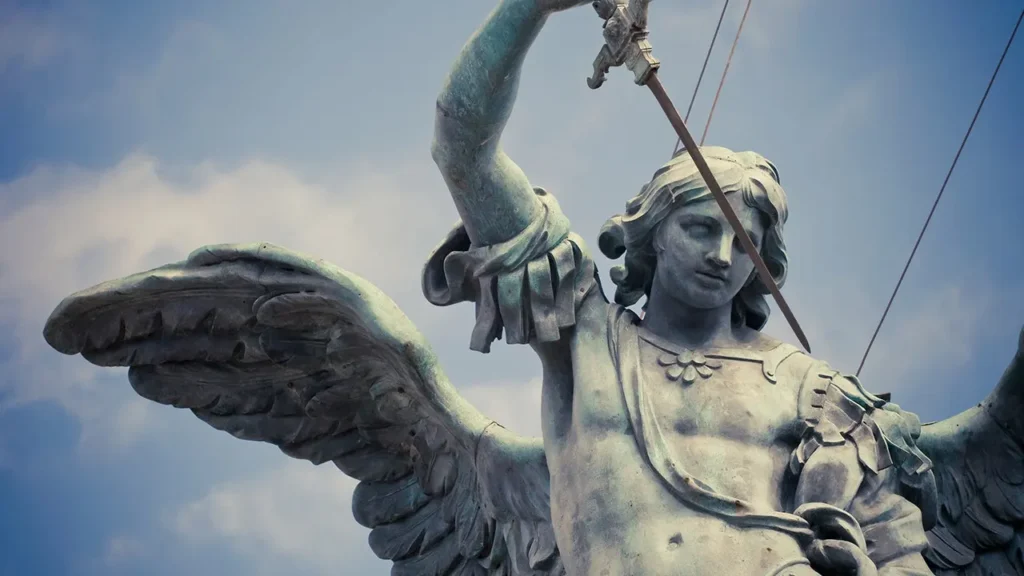
A constitutional dispute over two bronze statues planned for a Massachusetts police and fire headquarters could escalate to the nation’s highest court, with both sides contending the outcome will establish precedent for religious imagery on government buildings. The Becket Fund for Religious Liberty, defending Quincy’s position, expects the Massachusetts Supreme Court to announce its decision imminently, according to statements made to Fox News Digital.
Quincy Mayor Thomas Koch selected the 10-foot statues—depicting St. Michael the Archangel and St. Florian—to be placed outside the city’s new public safety facility. St. Michael serves as the patron saint of law enforcement while St. Florian represents firefighters. The Italian-crafted sculptures were intended to honor first responders and bolster their morale, Koch stated in court filings.
The lawsuit emerged in May 2025 after residents and taxpayers filed suit in Norfolk Superior Court, claiming the installation violated the Massachusetts Constitution’s requirement for government religious neutrality. The ACLU of Massachusetts, the national ACLU, Americans United for Separation of Church and State, and the Freedom From Religion Foundation represent the plaintiffs.
The ACLU argues the statues lack a secular purpose and their permanent placement as the building’s sole adornments advances religion in violation of state constitutional protections. Joseph Davis, lead counsel for Quincy at the Becket Fund, countered that the city has the right to display civic art honoring public servants, asserting nothing in state law prohibits such displays.
The Fraternal Order of Police countered in its brief that St. Michael is revered across multiple faiths and professions, extending beyond Christian or Catholic traditions alone. The Massachusetts Supreme Judicial Court’s ruling could determine whether similar religious commemorations survive constitutional scrutiny nationwide.

More Stories
Federal voting arrest in New Jersey adds new pressure point in Sherrill-Trump standoff
Colombia backs Trump security push while limiting U.S. role in anti-gang operations
Former NFL cheerleader and ex-aide face off in close Rhode Island GOP primary