


💛 A quick favor, if you've got a second.
We're really happy that you chose to read one of our stories and sincerely hope you'll stick around to read more. We took our paywall down — for now — but that won't last forever, and when the gate goes back up, we'd love for you to already be on the inside.
It's free. So please enter your email here and don't forget to like and follow us on all of your favorite Social Media platforms!
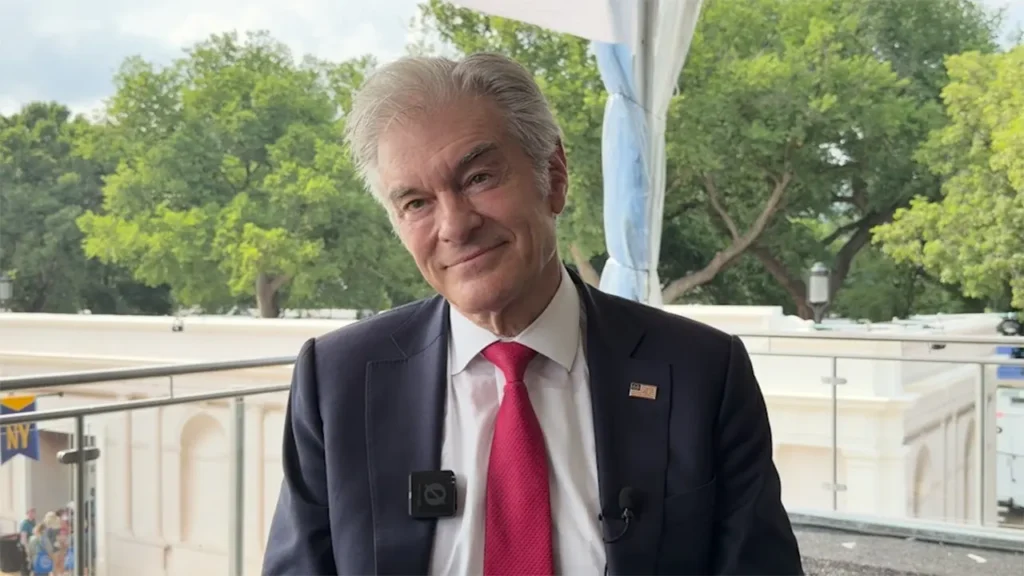
Dr. Mehmet Oz, administrator of the Centers for Medicare & Medicaid Services, outlined a vision for reducing health care expenditures while keeping Americans engaged in the workforce during remarks at the Great American State Fair in Washington, D.C. Speaking with Fox News Digital, Oz emphasized that the cornerstone of his approach involves prioritizing quality care and preventive health measures across the nation’s health system.
Poor-quality care represents the costliest component of American medicine, Oz explained, as substandard treatment necessitates expensive corrections and generates complications requiring additional intervention. He argued that this cycle of inefficiency drives up costs substantially and diverts resources from more productive uses. The solution, he contended, requires a fundamental shift toward value-based care that prioritizes patient outcomes over volume of services delivered.
Oz highlighted the role of technological innovation and artificial intelligence in democratizing access to quality health services by reaching patients in their homes and communities. Advanced screening tools and updated medications, combined with behavioral interventions encouraging wellness, position the nation to achieve measurable health improvements, he said. The CMS chief also noted that despite free annual wellness examinations available to all Medicare beneficiaries, fewer than half utilize this preventive benefit.
Oz projected that elevating Americans’ health to the point where workers remain in the labor force an additional year could generate $1 trillion in economic value through increased productivity, tax revenue, and reduced social program expenditures. He asserted that many aging workers desire continued employment but withdraw from the workforce due to declining physical capacity. Strategic investment in population health could therefore simultaneously reduce medical spending while strengthening national economic output, he concluded.

More Stories
Looney Tunes’ ‘Coyote vs. Acme’ Debuts With $15.5 Million as ‘Spider-Man’ Holds Box Office Crown
Forest Service Proposes Steep Fee Increases at Lake Tahoe Recreation Sites
New York Health Officials Sound Alarm Over Rising Measles Cases as School Year Approaches