



💛 A quick favor, if you've got a second.
We're really happy that you chose to read one of our stories and sincerely hope you'll stick around to read more. We took our paywall down — for now — but that won't last forever, and when the gate goes back up, we'd love for you to already be on the inside.
It's free. So please enter your email here and don't forget to like and follow us on all of your favorite Social Media platforms!
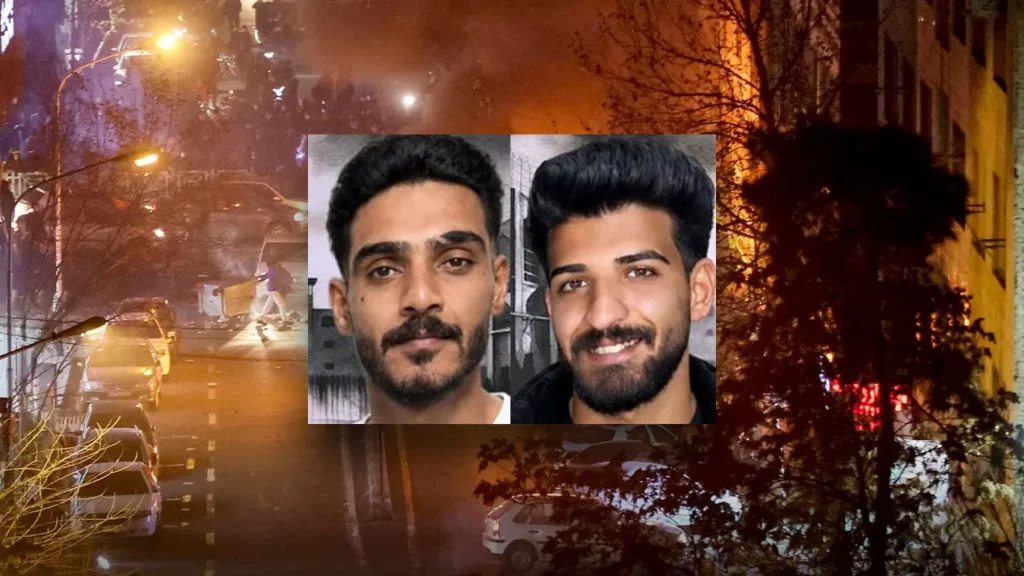
Two young men were executed by public hanging Tuesday in Isfahan’s Shahid Alikhani Square, according to the National Council of Resistance of Iran, an exiled opposition group monitoring the cases. Abolfazl Sepahi Badjani and Amirhossein Safari Hosseinabadi were put to death based on allegations connected to January’s nationwide anti-government demonstrations, with Iranian state media confirming the proceedings occurred in the presence of spectators.
Witnesses chanted “Dishonorable, dishonorable!” as security forces deployed tear gas to disperse onlookers, the NCRI reported. Heavy security presence including rooftop positions surrounded the execution site, according to opposition accounts of the event.
Iran’s judiciary charged both men with moharebeh, or “enmity against God,” efsad-fil-arz, or “corruption on Earth,” property destruction, and arson related to January 8 demonstrations in the square. Authorities also alleged the pair possessed firearms and Molotov cocktails and bore responsibility for the deaths of four State Security Force members during the unrest.
The NCRI contended the defendants were prevented from selecting their own counsel and that court-appointed lawyers lacked access to case materials. The judiciary countered that legal representation was provided, appeals were filed, and convictions relied on police reports, cellular data, witness accounts, confessions, and crime scene evidence.
The executions mark the fourth and fifth deaths in what became known as the Alikhani Square case, with two other defendants executed July 19. Seven additional defendants sentenced to death in the same proceedings remain at risk, according to UN experts who warned of imminent execution threats this week.
Human rights organizations have documented systematic violations, including denial of due process, coerced confessions, and unfair trials. Human Rights Watch documented at least 50 executions over four months on vague national security charges, while UN experts called the closed-door hearing procedures violations of international fair trial standards.
International observers characterized the public executions as state terror designed to suppress dissent. The demonstrations began in late December amid economic hardship and evolved into one of the Islamic Republic’s largest anti-government movements in recent history.


More Stories
Packers Running Back Josh Jacobs Placed on NFL Commissioner’s Exempt List Following Domestic Arrest
Federal Prosecutors Convene Special Grand Jury to Investigate D.C. Schools’ Attendance and Graduation Practices
Denver Broncos Linebacker Jonathon Cooper Placed on Commissioner’s Exempt List Amid Domestic Violence Charges