



💛 A quick favor, if you've got a second.
We're really happy that you chose to read one of our stories and sincerely hope you'll stick around to read more. We took our paywall down — for now — but that won't last forever, and when the gate goes back up, we'd love for you to already be on the inside.
It's free. So please enter your email here and don't forget to like and follow us on all of your favorite Social Media platforms!
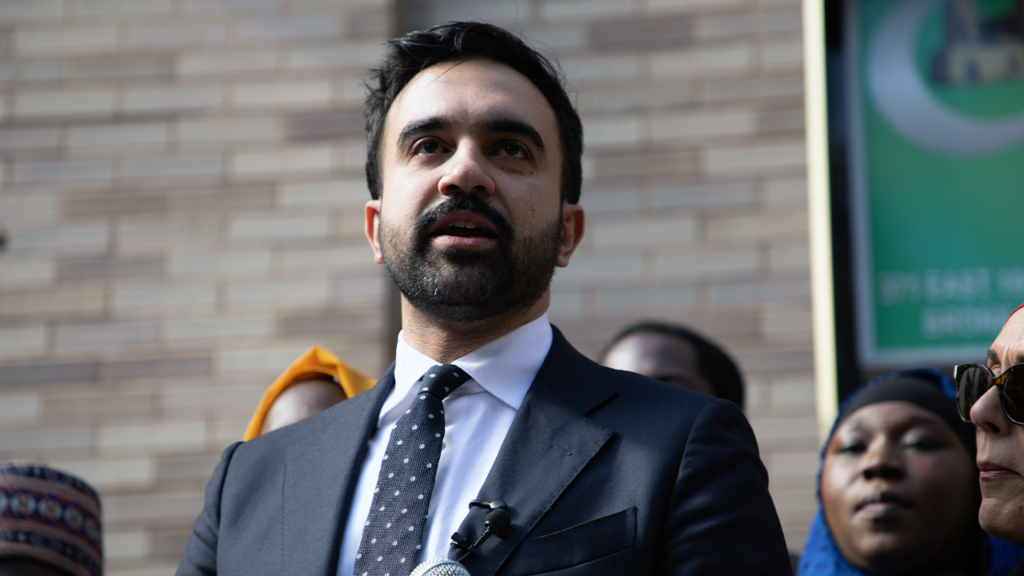
A knife attack on Manhattan’s Upper West Side on Tisha B’Av, the Jewish calendar’s most solemn observance, left two men stabbed by an assailant who shouted “Allahu Akbar.” The victims, aged 50 and 57, survived the assault, which authorities are investigating as a potential hate crime. The timing coincided with intensifying scrutiny of political rhetoric in New York City.
Hours before the stabbing, NYC Mayor Zohran Mamdani released a video accusing Israel of war crimes and genocide, calling for the arrest of Benjamin Netanyahu. The Institute for the Study of Global Antisemitism & Policy published a 2025 report examining Mamdani’s ideological origins and political positions, tracing connections to what researchers characterize as Muslim Brotherhood strategic influence in North America.
According to the ISGAP report, Mamdani co-founded a Students for Justice in Palestine chapter while attending Bowdoin College. Following October 7, he minimized the Hamas attack while describing Israel’s military response as genocide, refused to condemn the phrase “globalize the intifada,” and sponsored legislation targeting New York institutions supporting Israel.
The report documents Mamdani’s acceptance of a $100,000 donation from the Council on American-Islamic Relations, identified by federal prosecutors as an unindicted co-conspirator in a terrorism-financing case. His associations include Imam Siraj Wahhaj, who provided character testimony for an individual convicted of planning the 1993 World Trade Center bombing.
Researchers argue Mamdani’s rhetoric aligns with what internal Muslim Brotherhood documents from 1982 and 1991 describe as “civilization jihad”—exploiting Western democratic freedoms to undermine them gradually. The analysis contends his political messaging translates this ideology into progressive terminology, making it more palatable to mainstream audiences while advancing objectives shared by both Sunni Brotherhood organizations and Shia Iran.
Mamdani’s first mayoral action involved removing the International Holocaust Remembrance Alliance’s antisemitism definition from city policy. He has called for massive demonstrations when Netanyahu visits for the UN General Assembly in September, prompting concern from law enforcement. NYC Police Benevolent Association President Patrick Hendry warned that mayoral activism could embolden violent agitators who interpret such calls as implicit permission.
Critics argue that characterizing Israel as an aggressor state and its opponents as victims creates a moral framework normalizing violence against Jewish Americans. The stabbing incident, occurring hours after Mamdani’s inflammatory statements, illustrates the tangible risks of political rhetoric that frames Jewish communities as legitimate targets of resistance movements.

More Stories
Former NFL cheerleader and ex-aide face off in close Rhode Island GOP primary
Trump Threatens FCC Action Against NBC’s Welker Over Endorsement Coverage
Chicago Mayor Issues Executive Order Requiring Contractor Diversity Disclosures and ICE Ties Reporting