

💛 A quick favor, if you've got a second.
We're really happy that you chose to read one of our stories and sincerely hope you'll stick around to read more. We took our paywall down — for now — but that won't last forever, and when the gate goes back up, we'd love for you to already be on the inside.
It's free. So please enter your email here and don't forget to like and follow us on all of your favorite Social Media platforms!
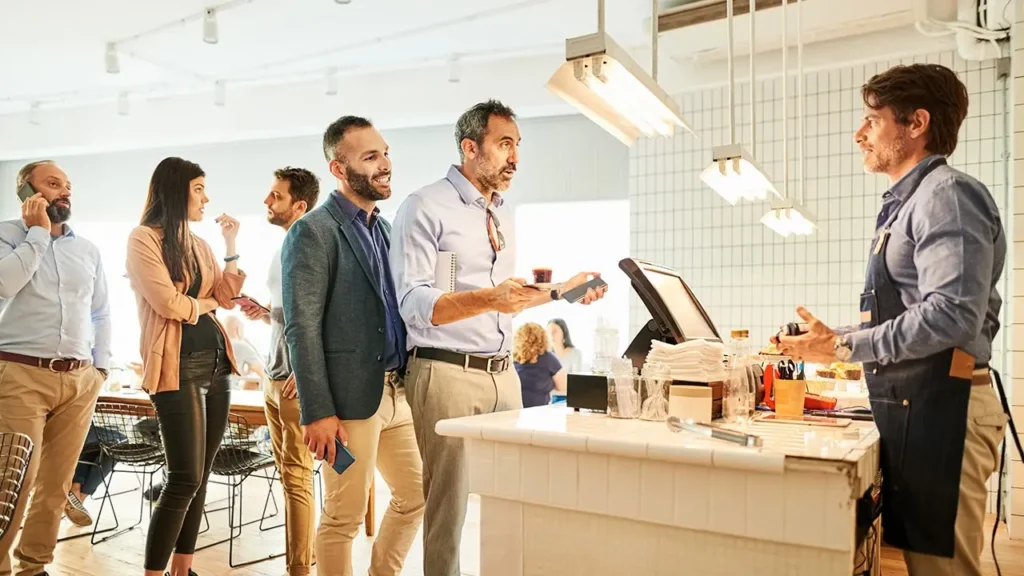
A thriving industry has emerged around consumer demand for trendy food items, with entrepreneurs hiring professional line waiters to secure coveted products for time-strapped customers willing to pay premium fees. Line sitting—a practice whereby hired workers queue on behalf of paying clients—has long existed in major metropolitan areas but has accelerated dramatically in recent years, driven largely by social media platforms amplifying food trends to millions of users simultaneously.
Robert Samuel, founder of Same Ole Line Dudes in New York, attributes much of the surge to TikTok’s influence on consumer behavior. His company now employs approximately 35 line sitters who fulfill requests across New York and beyond for anything requiring an extended wait. Pricing starts at $50 for a two-hour minimum, with additional hours charged at $25 and half-hour increments at $15, subject to adjustments for weather conditions and rush requests.
One early example showcasing the service’s appeal involved cronuts—a crossover pastry combining croissant and doughnut characteristics. Samuel recalled a client hiring six of his workers to purchase multiple units of the item to impress visiting Japanese business associates. More recently, dot cakes from Manhattan’s Butterfield Market have become a TikTok sensation, prompting one customer to hire five line sitters to secure two cakes in every available flavor.
TaskRabbit operates as a competing platform, listing more than 4,900 line-sitting workers available in New York City alone. Industry analyst David Henkes from Technomic describes the trend as reflecting broader consumer appetite for exclusive experiences and novel products, particularly among higher-income individuals prioritizing convenience over cost. The phenomenon underscores economic disparities in access to trending items while revealing shifting consumer priorities around time and exclusivity.

More Stories
Looney Tunes’ ‘Coyote vs. Acme’ Debuts With $15.5 Million as ‘Spider-Man’ Holds Box Office Crown
Country Music Legend Dolly Parton Laid to Rest; Niece Shares Touching Remembrance
Britt Baker’s Surprise Return Helps Persephone Capture AEW TBS Championship at All In