

💛 A quick favor, if you've got a second.
We're really happy that you chose to read one of our stories and sincerely hope you'll stick around to read more. We took our paywall down — for now — but that won't last forever, and when the gate goes back up, we'd love for you to already be on the inside.
It's free. So please enter your email here and don't forget to like and follow us on all of your favorite Social Media platforms!
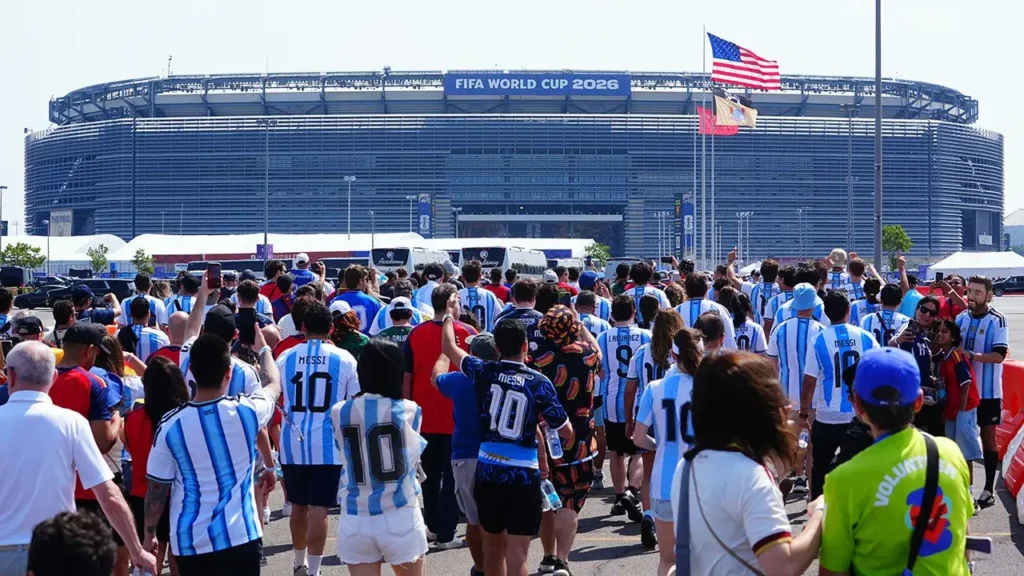
A comprehensive public health infrastructure deployed by the Centers for Disease Control and Prevention safeguarded millions of attendees during the FIFA World Cup, which took place across 16 cities in the United States, Canada and Mexico. The tournament drew an estimated 6.5 million fans worldwide and generated more than 5 million ticket sales, creating significant logistical challenges for disease prevention and emergency response coordination.
The CDC operated largely without public visibility to detect emerging health threats and respond to potential crises as fans and teams traveled between venues. Acting CDC Director Dr. Jay Bhattacharya emphasized that the agency’s success reflected its daily prevention efforts and strong institutional partnerships. “Readiness is not only measured by how we respond to emergencies, but by the work we do every day to prevent them,” Bhattacharya said in a statement to Fox News Digital.
International disease outbreaks presented additional concerns during the event, including concurrent Ebola and Hantavirus activity worldwide. As of July 16, the CDC reported 2,260 confirmed measles cases in the United States, adding to surveillance priorities during large-scale gatherings overlapping with Independence Day celebrations.
The CDC deployed real-time data dashboards to health departments across multiple host cities, monitored wastewater for disease indicators and maintained around-the-clock screening operations at U.S. ports of entry in coordination with U.S. Customs and Border Protection. The agency strengthened laboratory capacity and disease surveillance infrastructure in host communities while coordinating with the Department of Health and Human Services, the Administration for Strategic Preparedness and Response and the White House FIFA World Cup Task Force.
The tournament concluded on July 31, but the CDC’s preparedness and surveillance systems that supported the World Cup remain active as part of the agency’s year-round readiness mission. In March, the CDC released guidance enabling health jurisdictions to prepare for biological, chemical, radiologic and environmental threats at large gatherings.

More Stories
New York Health Officials Sound Alarm Over Rising Measles Cases as School Year Approaches
CareCloud Breach Compromises 3.75 Million Patient Records, Among Largest Healthcare Data Thefts of 2026
Month-Long HEPA Use Linked to Faster Cognitive Processing in Middle-Aged Adults