

💛 A quick favor, if you've got a second.
We're really happy that you chose to read one of our stories and sincerely hope you'll stick around to read more. We took our paywall down — for now — but that won't last forever, and when the gate goes back up, we'd love for you to already be on the inside.
It's free. So please enter your email here and don't forget to like and follow us on all of your favorite Social Media platforms!
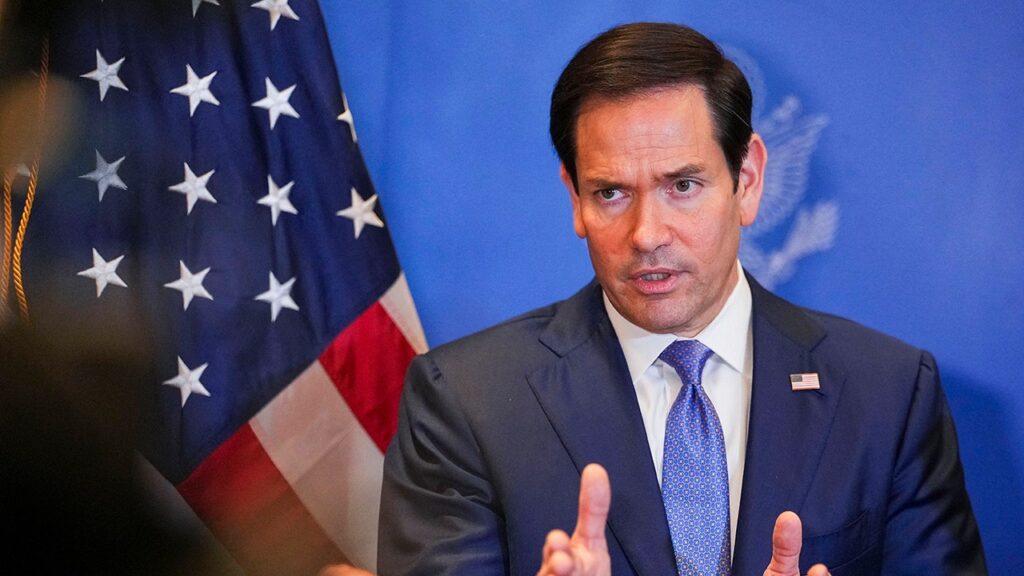
Secretary of State Marco Rubio outlined a dual approach to Iran policy on Wednesday, stating that Washington would pursue diplomatic channels while maintaining the credible threat of military force. Speaking at the ASEAN Summit in the Philippines, Rubio cautioned that Tehran must demonstrate serious commitment to negotiations, suggesting the burden falls on Iran to prove it is willing to engage constructively.
The remarks followed the 11th consecutive night of U.S. military strikes against Iranian military installations. Rubio stressed that continued Iranian violations of prior commitments would trigger tangible consequences, emphasizing that America’s willingness to negotiate depends entirely on Tehran’s reciprocal commitment to uphold agreed-upon terms.
A central point of contention involves Iran’s assertion of control over the Strait of Hormuz, a critical global shipping corridor. Rubio rejected this claim as legally baseless and warned that acquiescing would establish a dangerous precedent allowing other nations to weaponize control of international waterways.
The secretary of state underscored the stakes for global commerce, noting that 20 percent of worldwide energy supplies transit the strait. Allowing a single nation to hold such leverage over international shipping would threaten the fundamental rules governing 150 years of trade, Rubio argued.
The U.S. and Iran are midway through a 60-day negotiating window established under a June 17 memorandum addressing Iran’s nuclear and missile programs, sanctions relief, and maritime freedom. Despite this framework, hostilities have intensified, with Iranian attacks on commercial vessels continuing alongside American military operations.
President Trump declared the ceasefire “over” Tuesday but signaled Iran expressed desperation to meet. Rubio aligned with this assessment, affirming Washington’s readiness for substantive talks while making explicit that military options remain on the table if diplomatic efforts fail.

More Stories
Colombia backs Trump security push while limiting U.S. role in anti-gang operations
Chicago Mayor Issues Executive Order Requiring Contractor Diversity Disclosures and ICE Ties Reporting
Federal Prosecutors Convene Special Grand Jury to Investigate D.C. Schools’ Attendance and Graduation Practices