


💛 A quick favor, if you've got a second.
We're really happy that you chose to read one of our stories and sincerely hope you'll stick around to read more. We took our paywall down — for now — but that won't last forever, and when the gate goes back up, we'd love for you to already be on the inside.
It's free. So please enter your email here and don't forget to like and follow us on all of your favorite Social Media platforms!
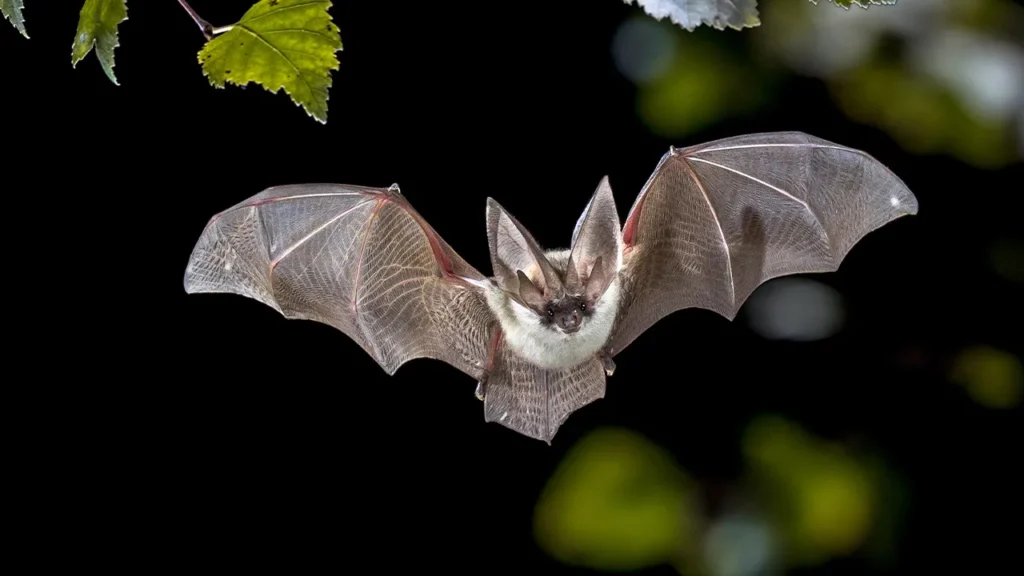
Health authorities at the San Diego Zoo Safari Park are calling on visitors to report any direct contact with a wild bat that tested positive for rabies in mid-July. The deceased animal was discovered outside the Oasis on the Rocks restaurant on July 11 and subsequently confirmed to carry the virus through testing at the County Public Health Laboratory.
Park officials stressed that casual exposure poses no danger to guests, noting that rabies transmission requires physical contact with the infected animal. No incidents of human contact have been documented thus far, according to Safari Park representatives, and the bat was not part of the facility’s managed animal collection.
This represents the 19th rabies-positive bat identified in San Diego County during the current year, with 21 cases recorded throughout 2025 overall. Dr. Ankita Kadakia, the county’s deputy public health officer, emphasized the severity of the situation, stating that rabies is among the deadliest viral diseases with a nearly 100% fatality rate when not treated early.
Experts recommend immediate medical attention for anyone who suspects contact with the bat. Those believing they may have touched the animal should wash the affected area thoroughly with soap and water for 10 to 15 minutes and contact county health officials for evaluation and potential preventive treatment.
Wildlife specialists caution the public never to handle bats with bare hands, despite their ecological value. San Diego County hosts more than 20 bat species that collectively consume up to 1,000 mosquito-sized insects per hour, providing significant benefits to regional agriculture and gardens, according to Dr. Alexis Wohl of the San Diego Humane Society.

More Stories
New York Health Officials Sound Alarm Over Rising Measles Cases as School Year Approaches
New York’s Colombian Community Mobilizes Relief Efforts Following Recent Earthquakes
CareCloud Breach Compromises 3.75 Million Patient Records, Among Largest Healthcare Data Thefts of 2026