

💛 A quick favor, if you've got a second.
We're really happy that you chose to read one of our stories and sincerely hope you'll stick around to read more. We took our paywall down — for now — but that won't last forever, and when the gate goes back up, we'd love for you to already be on the inside.
It's free. So please enter your email here and don't forget to like and follow us on all of your favorite Social Media platforms!
President Donald Trump has instructed federal agencies to release former government employees and contractors from prior nondisclosure agreements if they possess information about unidentified anomalous phenomena and agree to cooperate with authorized investigations. The directive allows witnesses to share details with the Pentagon’s All-domain Anomaly Resolution Office or the president’s UAP task force, known as PURSUE, without fear of legal consequences for violating secrecy obligations.
Administration officials stressed the move differs from a formal declassification order and restricts disclosure to designated government channels where participants hold appropriate security clearances. The initiative aims to eliminate perceived legal obstacles that may have discouraged witnesses from coming forward during congressional inquiries and official investigations into unexplained aerial incidents.
Years of congressional scrutiny, whistleblower testimony and newly released records have suggested some individuals with firsthand knowledge remained silent due to concerns their nondisclosure agreements prohibited cooperation with government investigators. Officials acknowledge the administration does not know whether these potential witnesses possess genuinely significant new information, but removal of legal barriers will allow authorities to determine if previously undisclosed details exist.
Any information gathered through this process will undergo the administration’s existing declassification procedures before public release. Recent document releases have included military footage of unexplained objects, FBI records detailing witness accounts from law enforcement and astronauts, and declassified details from a 2015 incident at a Texas nuclear weapons facility.
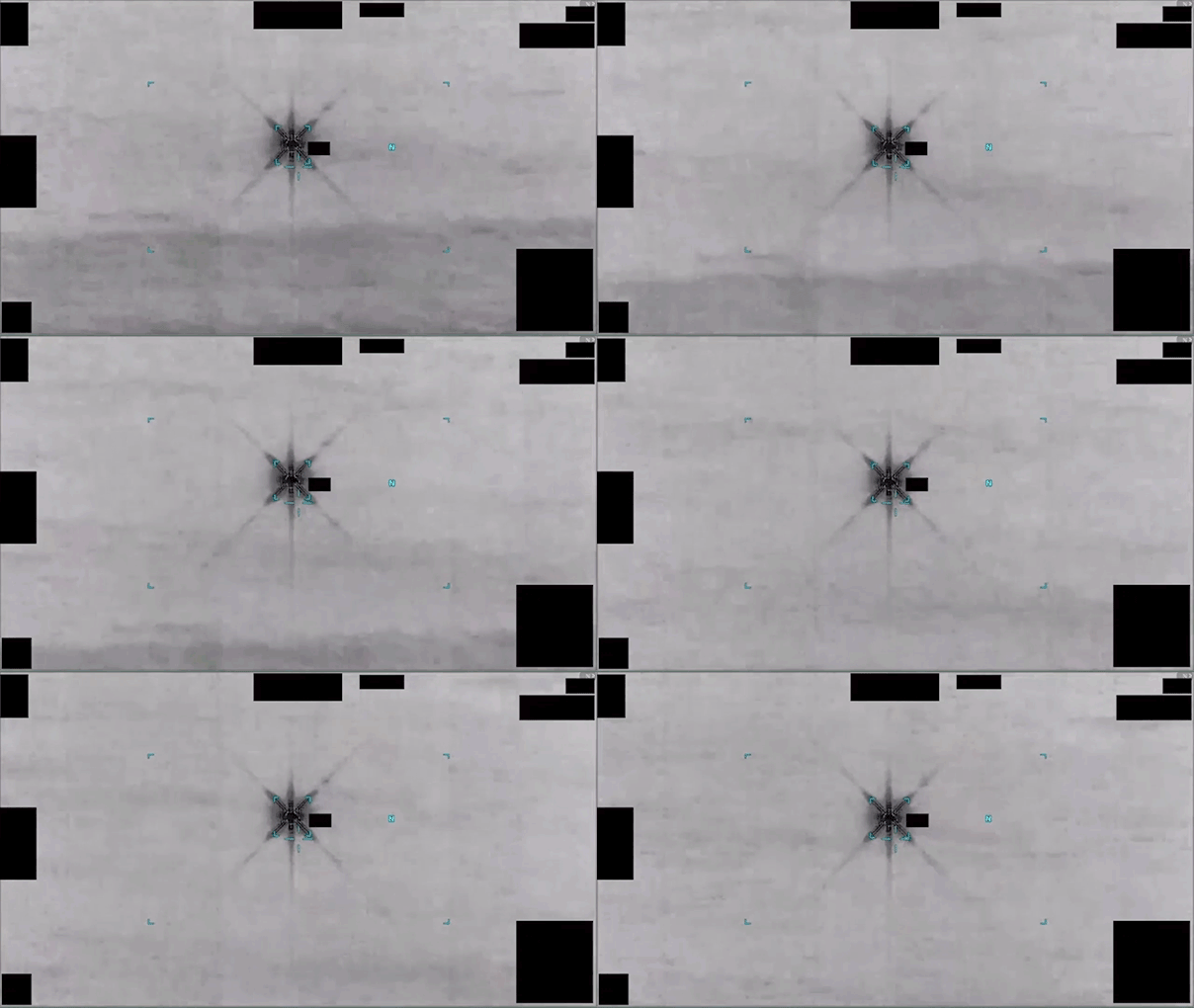
The directive builds on broader Trump administration efforts to release decades of government records related to anomalous phenomena. Among newly declassified materials is infrared footage from January 1, 2025, showing a six-pointed star-shaped object tracked by military sensors over the Yellow Sea.
The push for transparency reflects years of pressure from lawmakers and former officials who cited secrecy concerns as barriers to disclosure. Former Air Force intelligence officer David Grusch has alleged the government concealed information about classified UAP programs and claimed investigations uncovered billions in annual spending for these activities, though Pentagon officials have disputed his central claims.

More Stories
Federal voting arrest in New Jersey adds new pressure point in Sherrill-Trump standoff
Colombia backs Trump security push while limiting U.S. role in anti-gang operations
Former NFL cheerleader and ex-aide face off in close Rhode Island GOP primary