


💛 A quick favor, if you've got a second.
We're really happy that you chose to read one of our stories and sincerely hope you'll stick around to read more. We took our paywall down — for now — but that won't last forever, and when the gate goes back up, we'd love for you to already be on the inside.
It's free. So please enter your email here and don't forget to like and follow us on all of your favorite Social Media platforms!
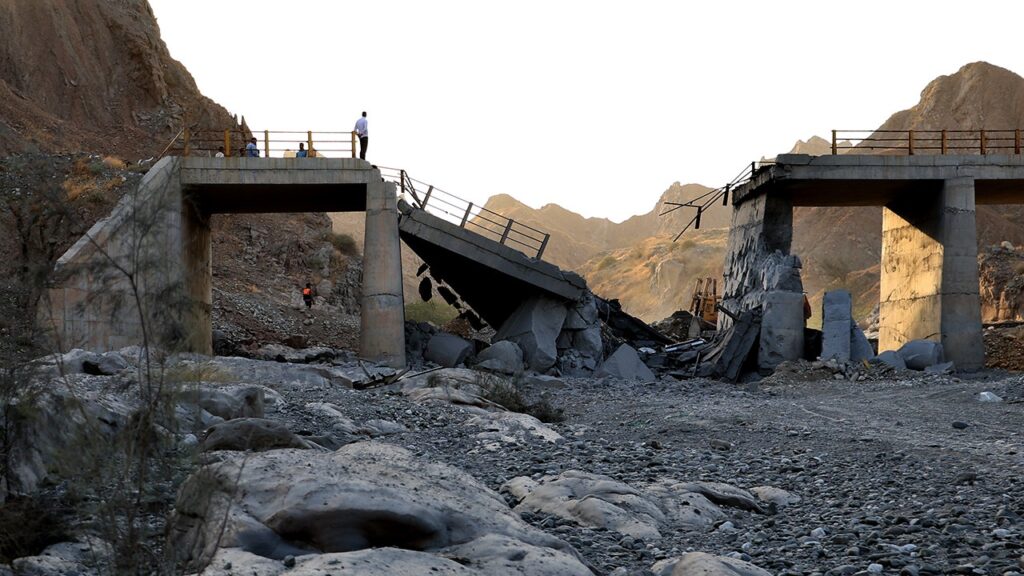
Nearly five months of military operations against Iran have resulted in significant American casualties, with 17 to 18 service members killed, including three or four deaths over the past weekend, and more than 420 wounded. Israeli deaths total 60, while Iraqi casualties exceed 100. Neighboring nations including Kuwait, Saudi Arabia, and the United Arab Emirates have sustained civilian losses and substantial infrastructure damage stemming from the broader regional conflict.
Iran has borne far steeper costs, with military deaths reaching the thousands and hundreds of civilian casualties reported. The nation’s infrastructure has suffered damage in the hundreds of billions of dollars, vastly exceeding harm inflicted on neighboring countries. The country’s conventional military forces have been severely degraded, and its missile and drone capabilities have been significantly diminished, though Iran retains capacity to threaten shipping in the Strait of Hormuz.
A restructured Iranian leadership now appears dominated by Ahmad Vahidi, the 68-year-old commander of the Iranian Revolutionary Guard Corps, who emerged from retirement following strikes that killed numerous senior officials. The Supreme Leader’s designated successor, Mostafa Khomeini, has not appeared publicly since combat commenced and is widely believed to have sustained serious injuries in opening strikes, with recent reports suggesting he has been relocated outside the country.
Iran’s economic situation has deteriorated sharply, with exchange rates approaching 2 million rials per U.S. dollar. An effective American naval blockade has crippled Iranian oil exports, forcing the nation to rely on land and air routes for imports and revenue. The blockade threatens to deepen economic collapse for years following any conflict resolution.
Iran’s nuclear weapons program has been substantially disabled, with the nation now years away from developing a nuclear weapon even if oil revenues resumed. The strategic mountain facility known as Pickaxe Mountain remains largely untouched by U.S. strikes, though its deepest reaches may be inaccessible to current targeting capabilities.
Global oil prices have stabilized above $80 per barrel, 30 percent higher than pre-conflict levels but well below April’s peak of $126. Alternative shipping routes and increased worldwide production have prevented more severe price escalation despite periodic Strait of Hormuz disruptions.
Iran has abstained from striking Israel over the past 10 days, a development interpreted as evidence of restored deterrence against Iranian military action. The question now centers on whether similar restraint can be achieved regarding attacks on American forces and international shipping.
Iranian civilian leadership, including President Masoud Pezeshkian and Foreign Minister Seyed Abbas Araghchi, hold minimal authority over the Revolutionary Guard-led military structure. The decimation of proxy forces in Gaza and Lebanon alongside Iran’s own military losses may influence calculations regarding continued aggression.
A ceasefire remains immediately available to Iran if it halts attacks on shipping and permits comprehensive International Atomic Energy Agency inspections of nuclear development sites. The continuation of conflict serves neither Iran’s strategic interests nor broader regional stability, though the final determination rests with decision-makers in Tehran.

More Stories
Colombia backs Trump security push while limiting U.S. role in anti-gang operations
Chicago Mayor Issues Executive Order Requiring Contractor Diversity Disclosures and ICE Ties Reporting
Federal Prosecutors Convene Special Grand Jury to Investigate D.C. Schools’ Attendance and Graduation Practices