

💛 A quick favor, if you've got a second.
We're really happy that you chose to read one of our stories and sincerely hope you'll stick around to read more. We took our paywall down — for now — but that won't last forever, and when the gate goes back up, we'd love for you to already be on the inside.
It's free. So please enter your email here and don't forget to like and follow us on all of your favorite Social Media platforms!
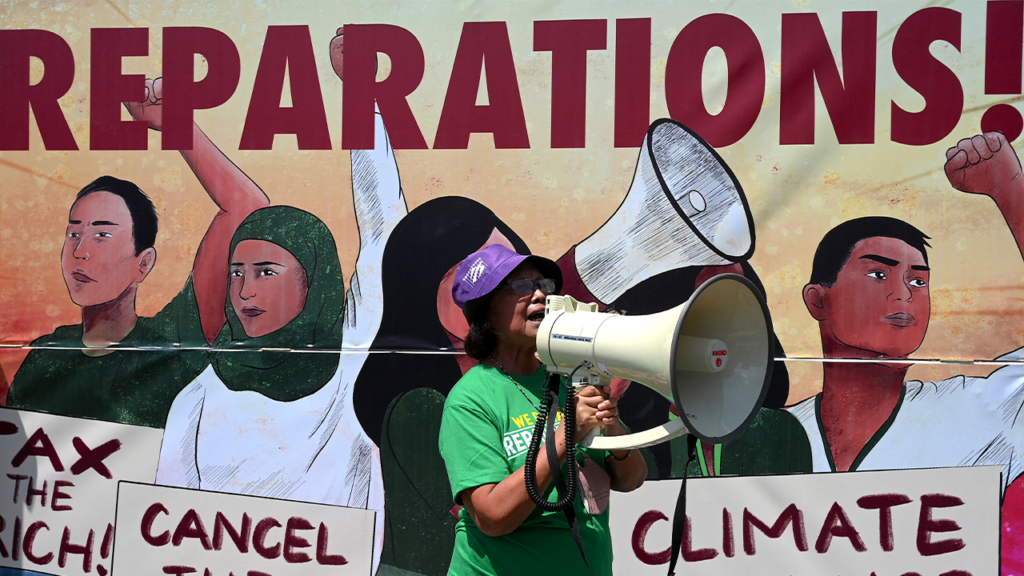
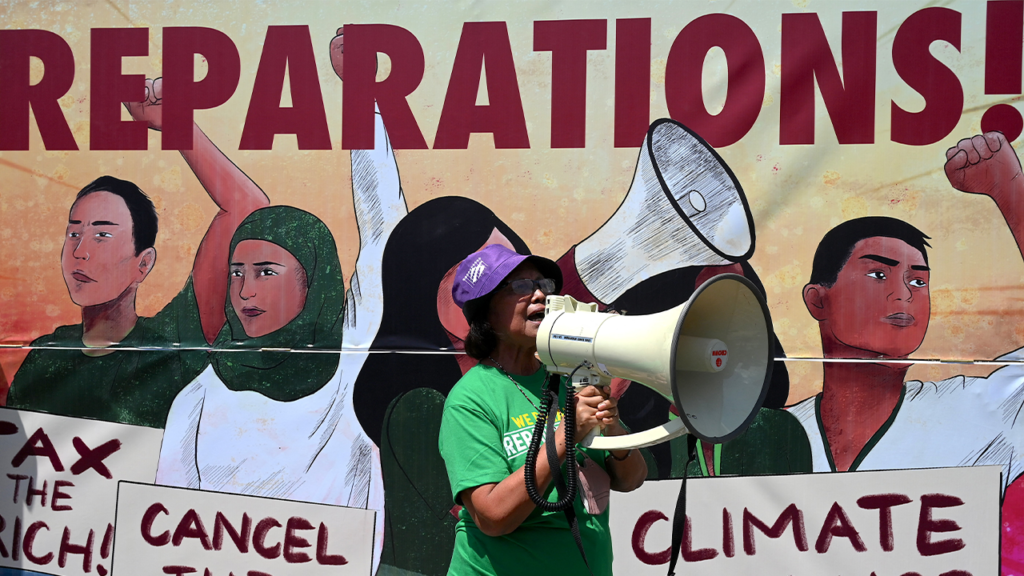
Two major civil rights organizations have launched a push for comprehensive reparations across New York State, arguing that the state bears direct responsibility for slavery and centuries of systemic racial discrimination that continue to harm Black communities financially. The New York Civil Liberties Union and the Legal Defense Fund released a joint report titled “The Other New York: The Legacy of Slavery and the Case for Reparations Now,” which documents how slavery and discriminatory policies have created persistent economic inequality that reverberates today.
The report provides stark evidence of the wealth gap between races in New York. Black New Yorkers have a median wealth of $18,870, while White New Yorkers possess a median wealth of $276,900 — a disparity of nearly 15 times, the organizations found. The groups emphasized that New York’s racial wealth gap exceeds the national average, reflecting the state’s deep historical entanglement with slavery and subsequent Jim Crow-era policies.
Government-backed discriminatory practices such as redlining emerged as primary drivers of contemporary economic disparities, the report states. These policies prevented Black families from accessing homeownership and building generational wealth. Nearly nine decades after redlining and urban renewal campaigns, formerly targeted communities remain among the state’s poorest neighborhoods, plagued by environmental hazards, crumbling schools, and health crises including elevated asthma and cardiovascular disease rates.
The organizations are calling for remedies that extend beyond symbolic acknowledgment, advocating for direct financial compensation to address losses in wealth and wages alongside sweeping institutional reforms in criminal justice, environmental policy, and school funding. “Reparations are a debt that is owed,” said Lanessa Owens-Chaplin, Director of the Racial Justice Center at the NYCLU, emphasizing that New York actively created and protected slavery rather than standing apart from it.
Progress on reparations at the state level has stalled despite Democratic Gov. Kathy Hochul signing legislation in late 2023 establishing the New York State Community Commission on Reparations Remedies. The civil rights groups criticized state officials after discovering that budget language quietly extended the commission’s deadline for delivering recommendations from 2025 to 2029, pushing potential action years into the future.
The push for New York reparations occurs amid growing national scrutiny of similar programs. Evanston, Illinois, became the first U.S. municipality to distribute cash and housing grants as reparations but now faces a federal lawsuit, with the U.S. Department of Justice arguing that race-based benefit distributions violate the Equal Protection Clause of the Fourteenth Amendment.

More Stories
Federal voting arrest in New Jersey adds new pressure point in Sherrill-Trump standoff
Colombia backs Trump security push while limiting U.S. role in anti-gang operations
Former NFL cheerleader and ex-aide face off in close Rhode Island GOP primary