


💛 A quick favor, if you've got a second.
We're really happy that you chose to read one of our stories and sincerely hope you'll stick around to read more. We took our paywall down — for now — but that won't last forever, and when the gate goes back up, we'd love for you to already be on the inside.
It's free. So please enter your email here and don't forget to like and follow us on all of your favorite Social Media platforms!
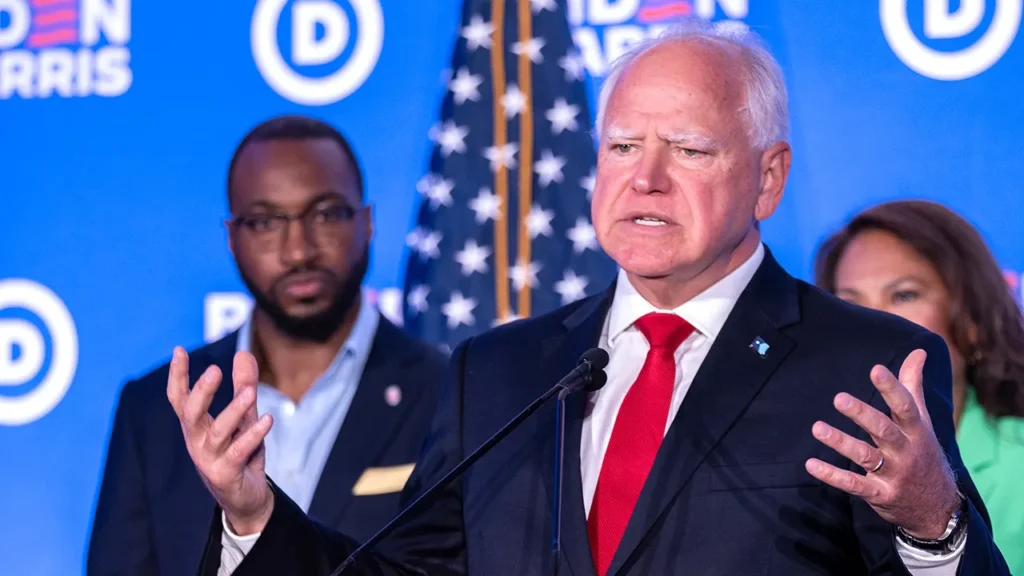
The Minnesota Star Tribune encountered swift condemnation over the weekend following a published column that endorsed Democratic Governor Tim Walz’s decision to grant clemency to a convicted sex offender slated for deportation. House Majority Whip Tom Emmer, a Minnesota Republican, led the charge against the newspaper on social media, calling the publication a “depraved rag” for supporting what he characterized as protection of a criminal immigrant.
On June 10, Minnesota’s Board of Pardons—comprised of Walz, state Attorney General Keith Ellison, and state Chief Justice Natalie Hudson—unanimously voted to commute the sentence of Tou Lue Vang, a Laotian national convicted of repeatedly raping a child between 2002 and 2004. Vang had been scheduled for deportation before the clemency was granted.
Columnist Rochelle Olson praised Walz’s refusal to withdraw his pardon vote, noting that Vang achieved unanimous support despite needing only two of three board votes. The column omitted crucial details about the victim’s age and the repeated nature of the assaults, though it referenced a letter from the victim supporting clemency.
Olson drew comparisons between Vang’s case and January 6 Capitol rioters who received presidential pardons, a parallel that triggered widespread social media backlash. Critics across platforms condemned the analogy as morally indefensible and accused the newspaper of ideological extremism.
A Star Tribune spokesperson defended the publication’s editorial discretion, stating the newspaper regularly features diverse political viewpoints and that the columnist aligned with the unanimous pardon decision.
The controversy became moot on July 10 when Secretary of State Marco Rubio announced Vang’s deportation to Laos. Rubio stated he had terminated Vang’s legal status, emphasizing the offender’s admission to crimes against a 10-year-old girl and removal from U.S. territory.
Walz subsequently defended his pardon decision, questioning whether the deportation enhanced public safety or stability for affected children, suggesting the clemency reflected a broader principle against permanent judgment based on past wrongdoing.

More Stories
Federal voting arrest in New Jersey adds new pressure point in Sherrill-Trump standoff
Colombia backs Trump security push while limiting U.S. role in anti-gang operations
Trump Threatens FCC Action Against NBC’s Welker Over Endorsement Coverage