

💛 A quick favor, if you've got a second.
We're really happy that you chose to read one of our stories and sincerely hope you'll stick around to read more. We took our paywall down — for now — but that won't last forever, and when the gate goes back up, we'd love for you to already be on the inside.
It's free. So please enter your email here and don't forget to like and follow us on all of your favorite Social Media platforms!
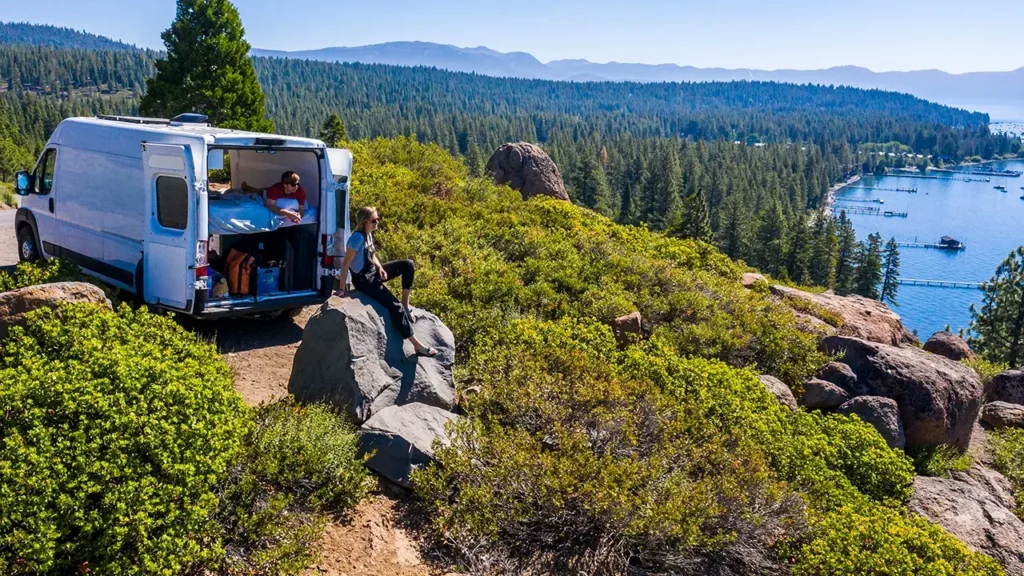
Federal land managers are moving forward with a plan to introduce and raise recreation fees across Lake Tahoe’s most visited destinations, a shift that could significantly alter the cost of accessing the popular mountain basin. The Lake Tahoe Basin Management Unit, under U.S. Forest Service authority, has unveiled proposals affecting campgrounds, beaches, trailheads and numerous other recreational facilities in the region.
Currently free destinations would transition to paid access under the proposal. Kiva Beach and the Taylor Creek Visitor Center would each charge $10 per vehicle initially, with plans to eventually increase those fees to $15. At existing paid sites, charges would escalate substantially—Eagle Falls Picnic Area and Trailhead would jump from $5 per vehicle to $10, then to $15 at a later date.
Overnight camping would also become costlier for visitors. Luther Pass Overflow Campground and Watson Lake Campground, both currently free, would begin charging $20 per campsite if the proposal is adopted. The Forest Service estimates that more than one-third of recreation sites would remain free under the new structure, and nationally recognized fee-free days would continue as scheduled.
Revenue generated through these fees would support site maintenance, infrastructure improvements and operational expenses, with federal law requiring the Forest Service to retain at least 80 percent of collected revenue for local reinvestment. The USDA stated that such income would enable the forest to enhance public services and facilities during peak operating seasons.
The public comment period runs through September 29, after which a citizens advisory committee will evaluate the proposal and forward a recommendation to the regional forester, who holds final approval authority. The plan has generated considerable opposition on social media, with many residents and regular visitors expressing frustration about paying fees at locations they use frequently.
Some commenters suggested exempting local residents through seasonal passes or free permits, arguing that taxpayers should not be charged at their home recreation areas. Others acknowledged the value of fees for maintaining facilities but questioned whether year-round charges were necessary, suggesting summer-only pricing might be more reasonable given seasonal visitor volume.

More Stories
State Department Reissues Level 3 Travel Advisory for Israel Amid Terrorism and Armed Conflict Concerns
Looney Tunes’ ‘Coyote vs. Acme’ Debuts With $15.5 Million as ‘Spider-Man’ Holds Box Office Crown
Son Discovers Father Missing After Himalayan Disaster in Nepal-Tibet Border Region