


💛 A quick favor, if you've got a second.
We're really happy that you chose to read one of our stories and sincerely hope you'll stick around to read more. We took our paywall down — for now — but that won't last forever, and when the gate goes back up, we'd love for you to already be on the inside.
It's free. So please enter your email here and don't forget to like and follow us on all of your favorite Social Media platforms!
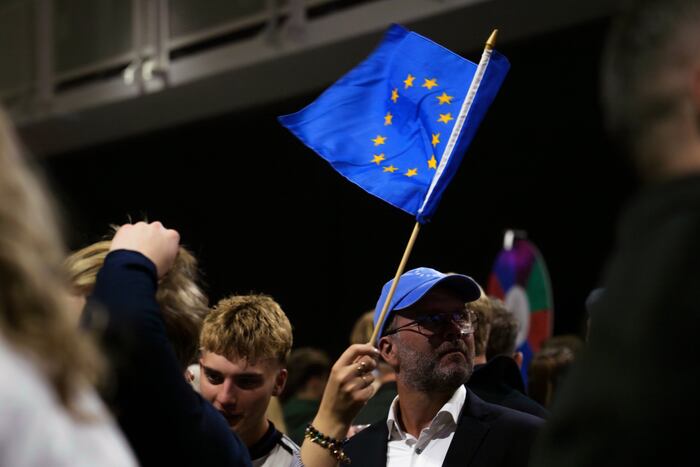
Icelanders voted Saturday to reject a measure that would have reopened discussions with the European Union about potential membership, according to the nation’s public broadcaster. The referendum result ends a contentious political debate that has consumed the island nation for more than a decade following the collapse of previous EU negotiations under a euroskeptic administration.
The opposition prevailed with 52.8% of the vote against 47.2% in favor, RUV reported Sunday. Reykjavik stood as the sole region where voters backed the proposal across Iceland’s population of roughly 400,000 people, underlining the deep geographic divide over the issue among the nation’s approximately 265,000 eligible voters.
Iceland’s center-left government, which took office in 2024, accelerated the planned referendum after U.S. President Donald Trump repeatedly mentioned Greenland in connection with territorial ambitions, inadvertently naming Iceland four times in the process. The timing raised concerns among some voters about potential security threats to the NATO member nation, driving pro-EU sentiment focused on European solidarity and protection from future American pressure.
Prime Minister Kristrún Frostadóttir championed the measure but expressed hope the outcome would not fracture national unity. She told RUV before final tallies emerged that while passions ran high on both sides, conversations across the country revealed openness to different viewpoints.
Fishing interests mounted the most organized opposition to EU accession, fearing that Brussels’ common fisheries policy would permit Spanish, Dutch and other foreign vessels access to Iceland’s resource-rich territorial waters. The fishing sector has anchored Iceland’s economy and identity for centuries, with cod, haddock and capelin catches sustaining communities since Viking settlement times.
Voter Daniel Bjarkason, who opposed the referendum, argued Iceland required more time before reconsidering the question. He suggested that any future accession effort would need overwhelming public backing, ideally a 70-30 margin in favor, rather than the narrow split revealed Saturday.
Proponents contended that EU membership would stabilize Iceland’s economy by lowering inflation and interest rates through adoption of the euro, offsetting the volatility of the króna. They also framed membership as essential for addressing transnational challenges including climate change and promoting closer European cooperation.
Opponents emphasized Iceland’s ability to benefit from EU trade arrangements without full membership burdens, noting the nation already participates in the bloc’s single market and Schengen free-travel zone. They warned that membership would dilute Iceland’s political voice within the European Parliament and undermine the country’s sovereignty to negotiate independent trade agreements, citing a recent deal with China as an example of bilateral flexibility.
Iceland severed ties with Denmark in 1944 and has cultivated a reputation for resisting pressure from larger European powers, most notably during the 1970s Cod Wars with Britain over fishing jurisdiction. That historical context shaped Saturday’s decision to maintain independent status rather than integrate into continental structures.

More Stories
Colombia backs Trump security push while limiting U.S. role in anti-gang operations
Former NFL cheerleader and ex-aide face off in close Rhode Island GOP primary
Trump Threatens FCC Action Against NBC’s Welker Over Endorsement Coverage