

💛 A quick favor, if you've got a second.
We're really happy that you chose to read one of our stories and sincerely hope you'll stick around to read more. We took our paywall down — for now — but that won't last forever, and when the gate goes back up, we'd love for you to already be on the inside.
It's free. So please enter your email here and don't forget to like and follow us on all of your favorite Social Media platforms!
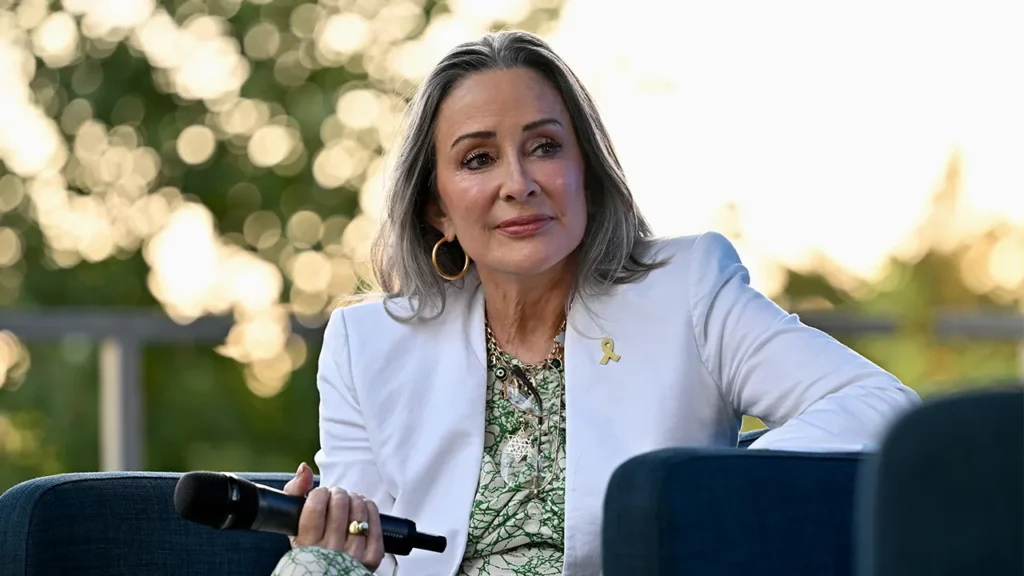
A private organization called Friends of Abe emerged during the Obama administration as a refuge for conservative and independent voices working in entertainment, according to actress Patricia Heaton, who helped establish the group. The organization, named after Abraham Lincoln, grew from a small core of celebrities including Gary Sinise and Kelsey Grammer into a loose network comprising thousands of members across multiple cities, including a substantial New York chapter.
Membership in Friends of Abe operated through subtle identification, with participants asking whether someone was “a friend of Abe” or “FOA” to identify fellow conservatives without risk of professional retaliation. The secrecy was deemed necessary because expressing right-wing viewpoints in the entertainment industry carried serious consequences, ranging from lost job opportunities to exclusion from professional events and social gatherings during the 5 to 15 years preceding the recent cultural shift.
Actor Gina Carano’s removal from a Disney television program following social media posts defending conservatives serves as a prominent example of the industry’s intolerance toward non-progressive perspectives. In New York’s theater community, publicly questioning progressive orthodoxy on issues including transgender policy or criticism of President Donald Trump could result in permanent ostracism from the professional community.
The monthly gatherings organized by Friends of Abe provided members an uncommon opportunity to engage in candid political discussion without fear of social or career consequences. The author notes that conservative perspectives were nearly absent from Hollywood writers’ rooms, with few individuals willing to defend foundational American principles or discuss racial progress in contemporary terms.
While cultural attitudes have thawed considerably and celebrities now more openly discuss conservative values and religious faith, the entertainment industry remains predominantly progressive, the author argues. Despite decreased threats of termination for political expression, conservatives working in entertainment still face an overwhelmingly liberal landscape that continues to shape industry output and cultural messaging.

More Stories
Federal voting arrest in New Jersey adds new pressure point in Sherrill-Trump standoff
Colombia backs Trump security push while limiting U.S. role in anti-gang operations
Former NFL cheerleader and ex-aide face off in close Rhode Island GOP primary