


💛 A quick favor, if you've got a second.
We're really happy that you chose to read one of our stories and sincerely hope you'll stick around to read more. We took our paywall down — for now — but that won't last forever, and when the gate goes back up, we'd love for you to already be on the inside.
It's free. So please enter your email here and don't forget to like and follow us on all of your favorite Social Media platforms!
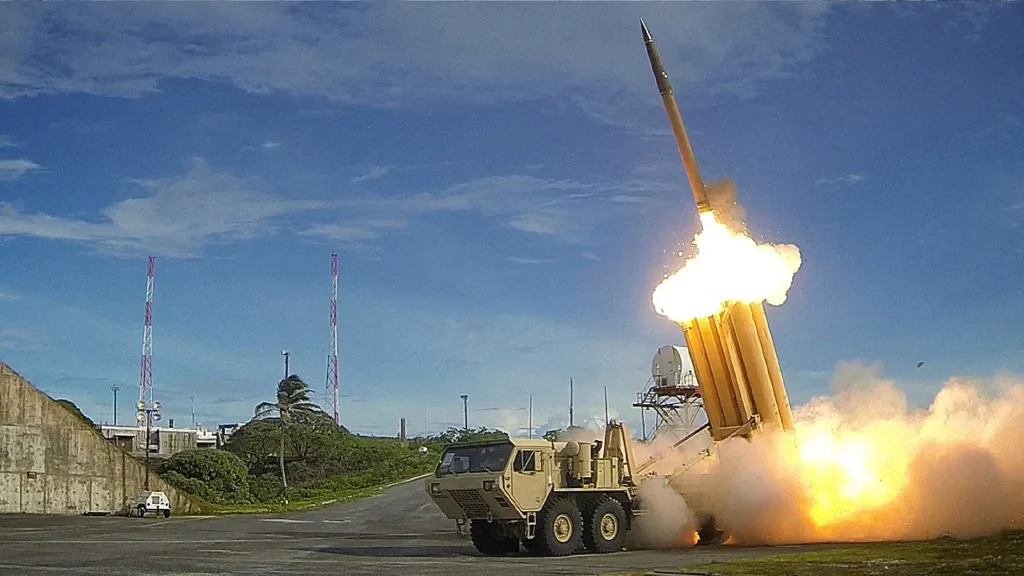
Mounting tensions across multiple global theaters have exposed severe vulnerabilities in America’s defense arsenal, forcing military planners to confront decades of underinvestment in weapons production. The simultaneous emergence of active conflict in the Middle East, Russia’s ongoing assault on Ukraine, and potential Chinese aggression toward Taiwan has strained stockpiles to dangerous levels, with some weapons supplies depleted by more than half.
Years of peacetime procurement practices left the U.S. defense industrial base unprepared for sustained combat operations. The Pentagon historically purchased munitions on an annual basis, creating uncertainty for manufacturers about future demand and leading to the erosion of production capacity across the sector. Gulf partner nations have warned American officials that air defense interceptor supplies are critically low, prompting the military to redeploy THAAD and Patriot batteries from South Korea to cover shortages elsewhere.
The Pentagon has begun addressing the crisis through multiyear procurement agreements designed to provide manufacturers with predictable demand forecasts. The Navy announced a $22.9 billion, seven-year contract to increase Tomahawk cruise missile production from approximately 60 annually to over 1,000. Framework agreements signed since January with defense contractors RTX and Lockheed Martin will significantly expand production of AMRAAM missiles to 1,900 units yearly, SM-6 systems to more than 500, PAC-3 interceptors from 600 to 2,000, and THAAD from 96 to 400.
Despite these advances, significant hurdles remain. Full production capacity under the new agreements will require years to materialize, and Congress must maintain appropriations throughout the implementation period. The Pentagon continues to operate under an outdated procurement framework that slows deployment of new capabilities, with major weapons programs averaging over 12 years from concept to battlefield deployment. Defense officials and lawmakers must treat elevated military investment as a permanent feature of the current era rather than a temporary wartime expense.

More Stories
Colombia backs Trump security push while limiting U.S. role in anti-gang operations
Chicago Mayor Issues Executive Order Requiring Contractor Diversity Disclosures and ICE Ties Reporting
University of Pennsylvania Climate Scientist Demands Supreme Court Packing Pledge From Democratic Candidates