

💛 A quick favor, if you've got a second.
We're really happy that you chose to read one of our stories and sincerely hope you'll stick around to read more. We took our paywall down — for now — but that won't last forever, and when the gate goes back up, we'd love for you to already be on the inside.
It's free. So please enter your email here and don't forget to like and follow us on all of your favorite Social Media platforms!
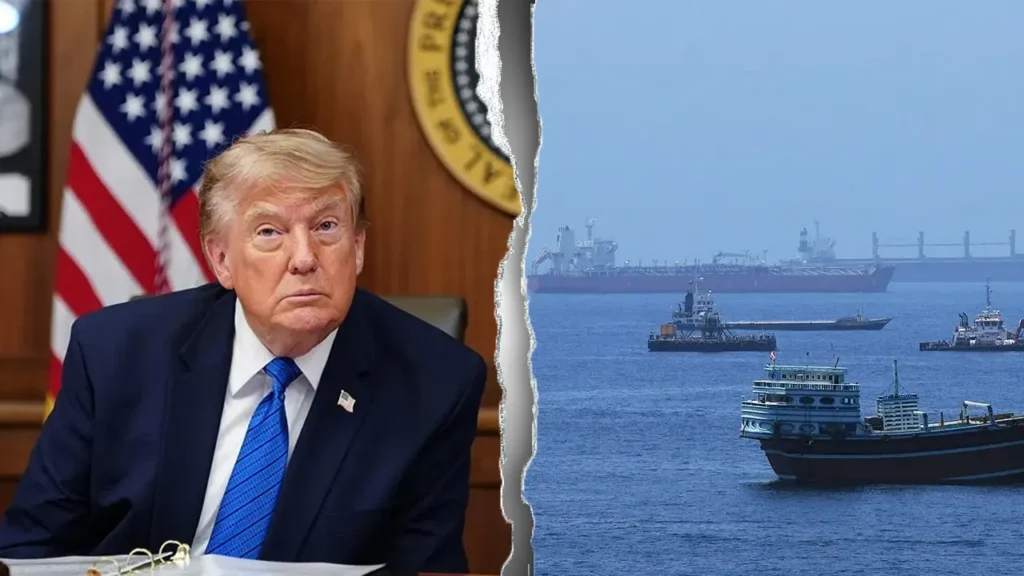
The Trump administration has avoided clarifying its position on a recently announced framework between Iran and Oman for reopening the Strait of Hormuz, despite months of public assertions that Tehran lacks authority over the vital waterway. When asked whether President Donald Trump would tolerate any limitations on American military vessels operating under such an arrangement, the White House offered no response.
U.S. Central Command pushed back against Iran’s territorial claims, with spokesperson Captain Tim Hawkins telling Fox News Digital that the strait remains an international passage where commercial traffic continues to move with American military protection. CENTCOM noted that U.S. forces have facilitated nearly 1,500 vessel transits through the waterway since early May.
Iran and Oman announced a proposed framework Monday designed to reopen the strait through a shared temporary navigational corridor and coordinated mine-clearing efforts. Iranian Deputy Foreign Minister Kazem Gharibabadi indicated Tuesday that the arrangement would exclude military vessels once finalized, with inbound commercial traffic routed through Iranian waters and outbound shipments traveling through Iranian and Omani waters.
The White House’s silence marks a departure from its previous aggressive posture, when Secretary of State Marco Rubio repeatedly denounced Iran’s proposed toll system as illegal and when Trump threatened Oman with consequences if it interfered with U.S. negotiations with Iran. The administration has simultaneously pursued military strikes on Iranian targets, maintained port blockades and expanded economic sanctions through Operation Economic Outcast.
Oil transit through Hormuz dropped significantly to approximately 5 million barrels per day on Monday, down from more than 20 million barrels daily before the conflict, according to Reuters citing Vortexa tracking data. Oman’s official statement did not specify details about military vessel restrictions, transit fees or revenue arrangements, describing the framework as preliminary with technical discussions continuing on permanent corridor terms and waterway administration.

More Stories
Colombia backs Trump security push while limiting U.S. role in anti-gang operations
Trump Threatens FCC Action Against NBC’s Welker Over Endorsement Coverage
Chicago Mayor Issues Executive Order Requiring Contractor Diversity Disclosures and ICE Ties Reporting