


💛 A quick favor, if you've got a second.
We're really happy that you chose to read one of our stories and sincerely hope you'll stick around to read more. We took our paywall down — for now — but that won't last forever, and when the gate goes back up, we'd love for you to already be on the inside.
It's free. So please enter your email here and don't forget to like and follow us on all of your favorite Social Media platforms!
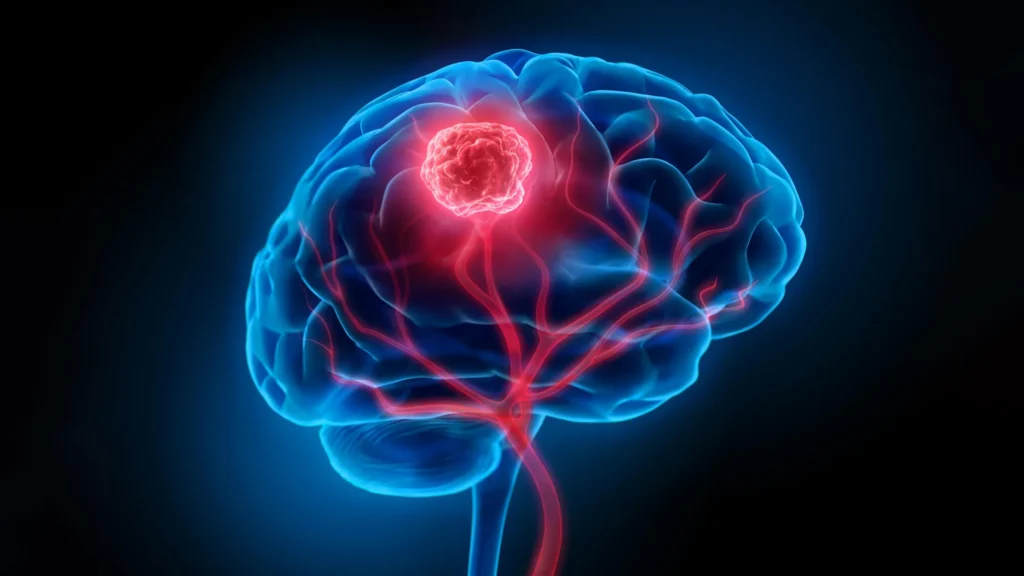
Researchers have engineered nanoparticles capable of performing dual functions in glioblastoma treatment: revealing cancer cells concealed from surgical view while simultaneously targeting residual disease. The technology represents a significant advancement in addressing the challenge of incomplete tumor removal during brain cancer operations.
In preclinical testing using mice, the innovative approach delivered striking results, with all subjects surviving through the 60-day observation period and experiencing no tumor recurrence. The nanoparticles functioned by illuminating cancerous tissue during the surgical procedure, then continuing to attack microscopic disease remaining in the brain after the operation concluded.
While the findings demonstrate considerable potential, the treatment remains confined to laboratory and animal studies at this stage. Human clinical trials have not yet commenced, leaving questions about efficacy and safety in actual patients unanswered pending further development and regulatory review.

More Stories
New York Health Officials Sound Alarm Over Rising Measles Cases as School Year Approaches
CareCloud Breach Compromises 3.75 Million Patient Records, Among Largest Healthcare Data Thefts of 2026
Month-Long HEPA Use Linked to Faster Cognitive Processing in Middle-Aged Adults