


💛 A quick favor, if you've got a second.
We're really happy that you chose to read one of our stories and sincerely hope you'll stick around to read more. We took our paywall down — for now — but that won't last forever, and when the gate goes back up, we'd love for you to already be on the inside.
It's free. So please enter your email here and don't forget to like and follow us on all of your favorite Social Media platforms!
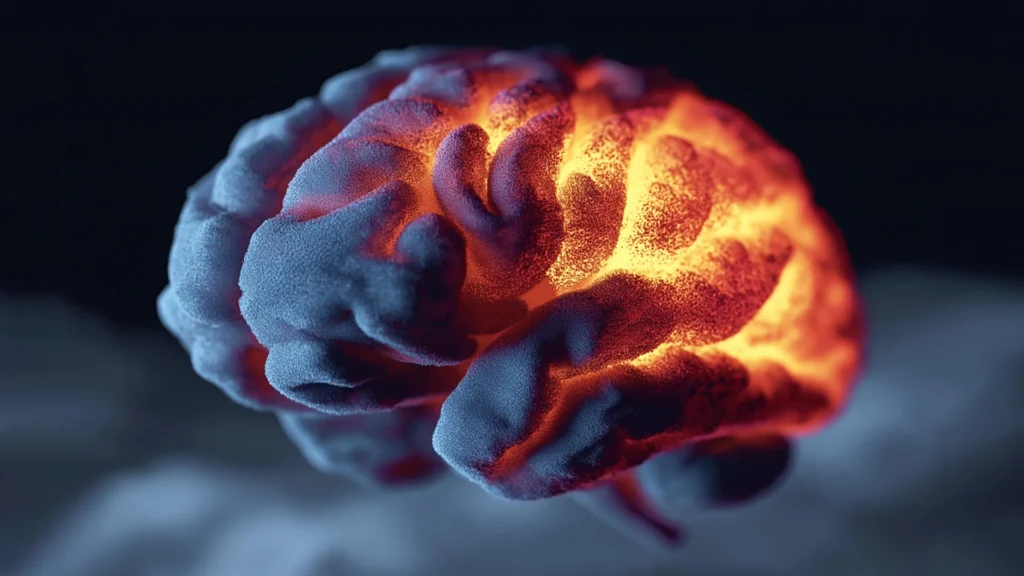
A team of researchers has identified a neural mechanism capable of suppressing chronic nerve pain by regulating an overactive circuit in the brain. The discovery, made in laboratory mice, reveals a biological “brake” system that could fundamentally change how pain disorders are treated without relying on opioid medications.
The findings suggest that precisely targeting this newly identified system may enable the development of pain management therapies with fewer side effects than current pharmaceutical approaches. By focusing on this specific neural pathway rather than broadly affecting opioid receptors throughout the body, researchers believe more effective and safer treatment options could emerge.
The research represents a significant step toward understanding the neurological basis of chronic pain and offers a potential alternative to traditional pain management strategies that carry risks of dependency and systemic complications.

More Stories
New York Health Officials Sound Alarm Over Rising Measles Cases as School Year Approaches
CareCloud Breach Compromises 3.75 Million Patient Records, Among Largest Healthcare Data Thefts of 2026
Month-Long HEPA Use Linked to Faster Cognitive Processing in Middle-Aged Adults